STORIES
IMPACT BEYOND THE FIELD
Explore Trebek Grantees’ films, articles, research, talks and more
FEATURED FILM
ALL TOO CLEAR
Yvonne Drebert
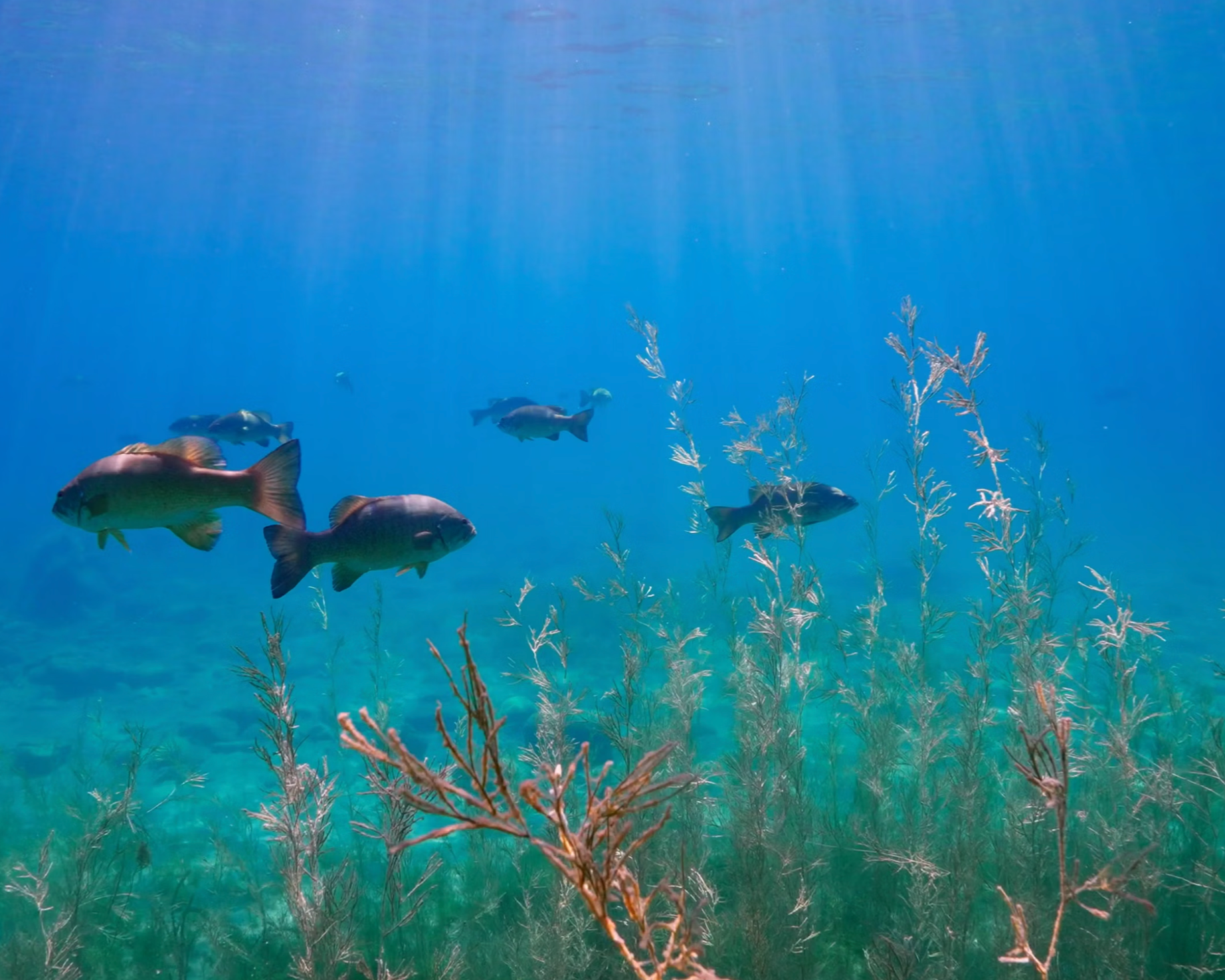
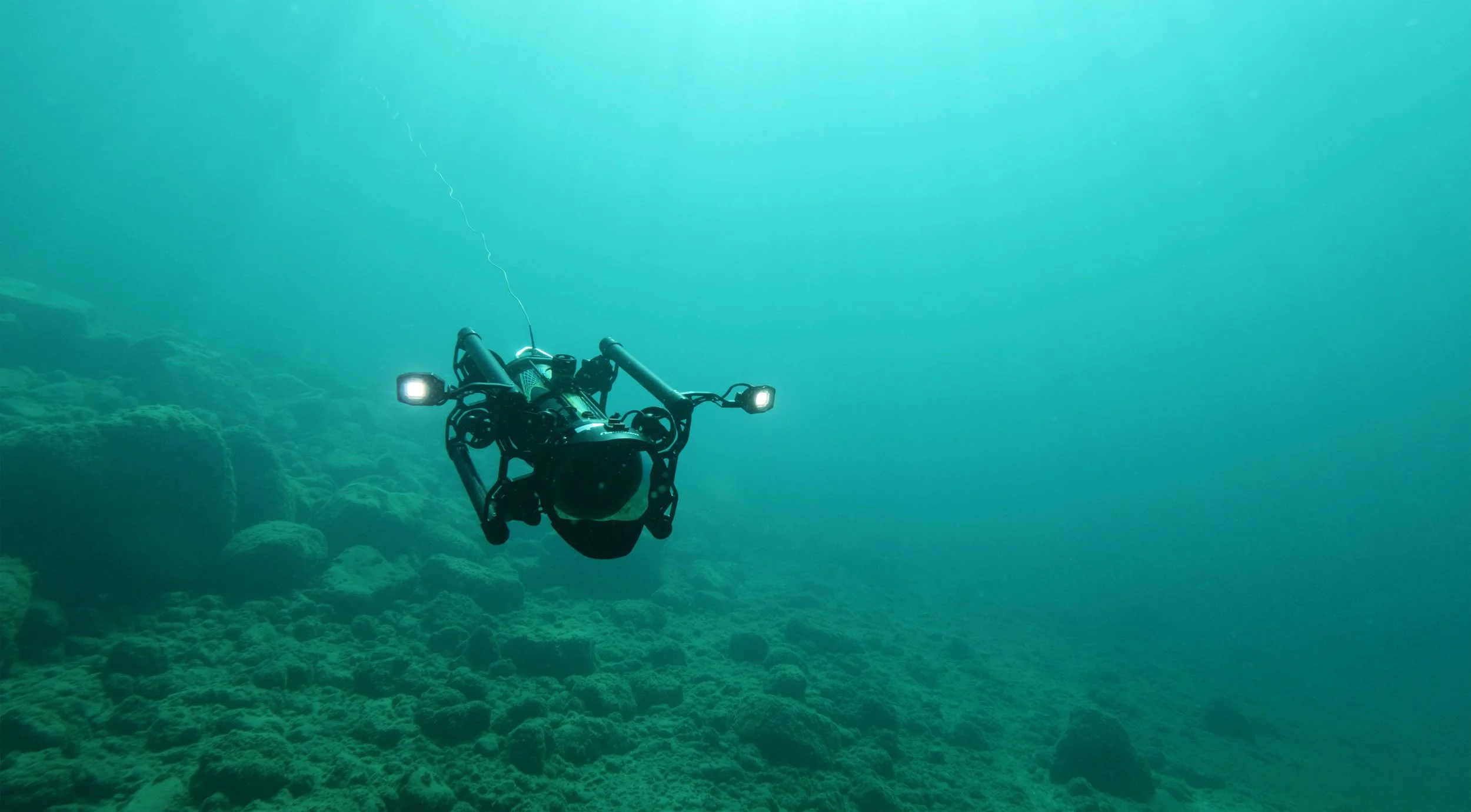
Beneath the clear waters of the Great Lakes, an unseen ecological transformation is underway.
All Too Clear combines stunning underwater cinematography and scientific research to reveal how invasive quagga mussels are reshaping one of the world's largest freshwater ecosystems.
"The Great Lakes have always been home, but exploring beneath the surface changed the way we saw them.
We witnessed invasive mussels quietly reshape an ecosystem that most people never get to see."
2022 Trebek Grantee - Yvonne Drebert
Beneath The Surface: Using ROVs To Reveal The
Impacts Of Quagga Mussels On The Great Lakes

Four years ago, Ariel Waldman set out to document life in some of the most remote research stations on Earth.
Life Unearthed reveals how researchers are expanding our understanding of life in Earth's most extreme environments.
CORRIDORS: NATURES WAY
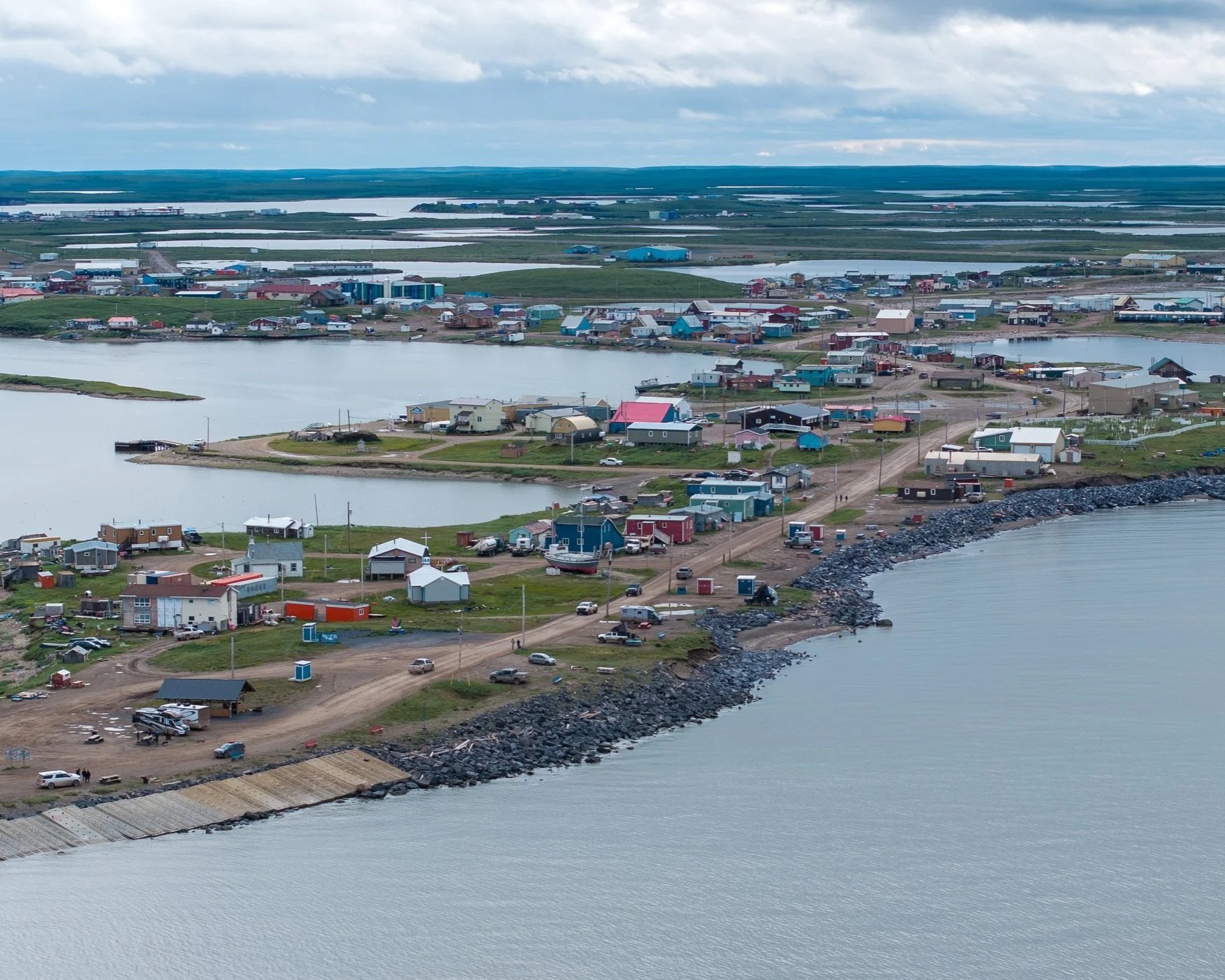
Kaitlyn Van De Woestyne
As the Arctic coastline shifts, northern communities are adapting.
Inuusivut Sapirnaqtuq (Our Life is Very Tough) follows Kaitlyn Van De Woestyne as she explores how science and Inuvialuit knowledge are coming together to understand and respond to coastal erosion in Tuktoyaktuk.
WATCH FILM →
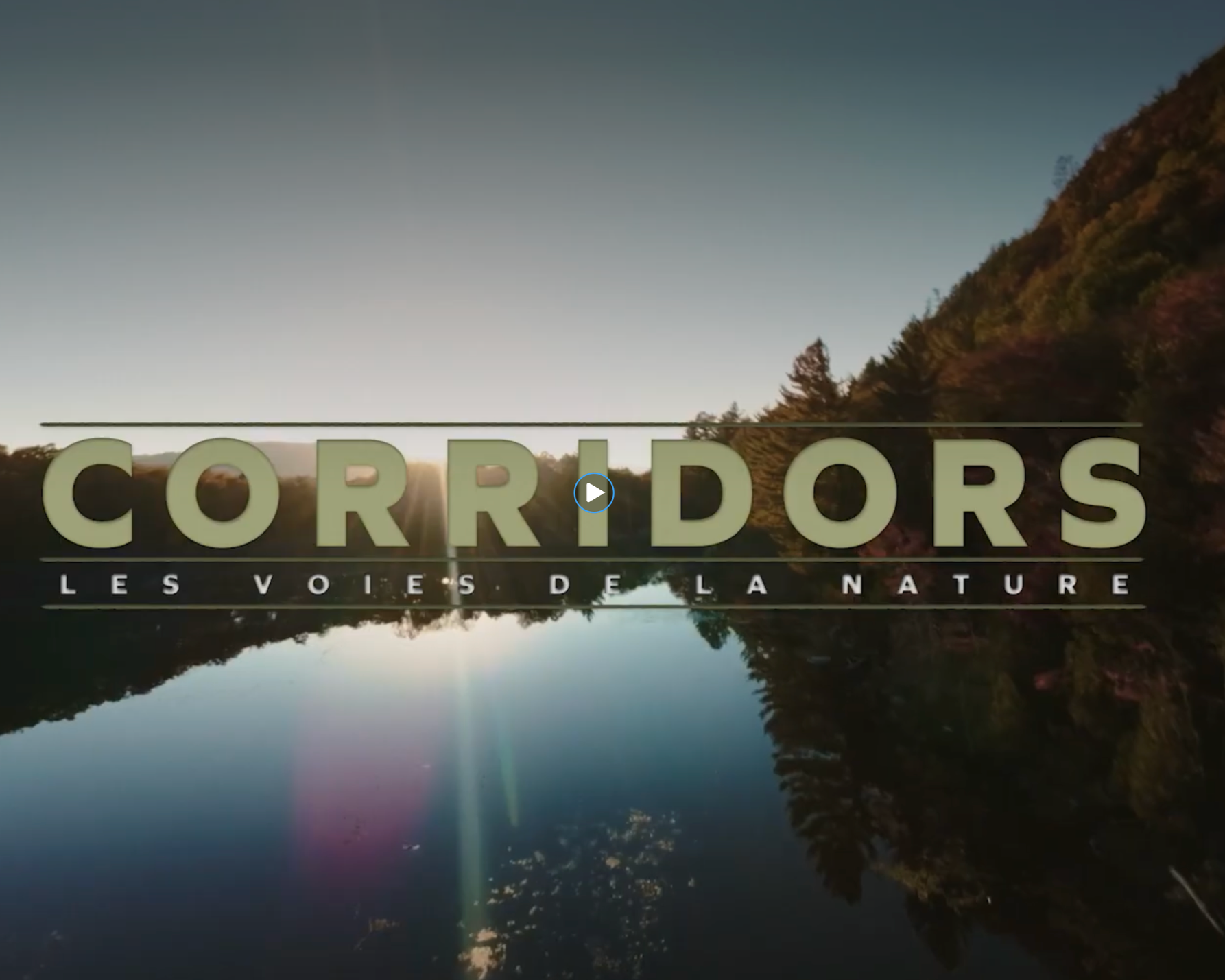
Kateri Monticone
Wildlife depends on connected landscapes, yet those connections are disappearing.
Corridors: Nature's Way follows Trebek Grantee Kateri Monticone as she explores how ecological corridors help wildlife move, adapt, and thrive in a changing world.
INUUSIVUT SAPIRNAQTUQ
FILMS
LIFE UNEARTHED
Ariel Waldman
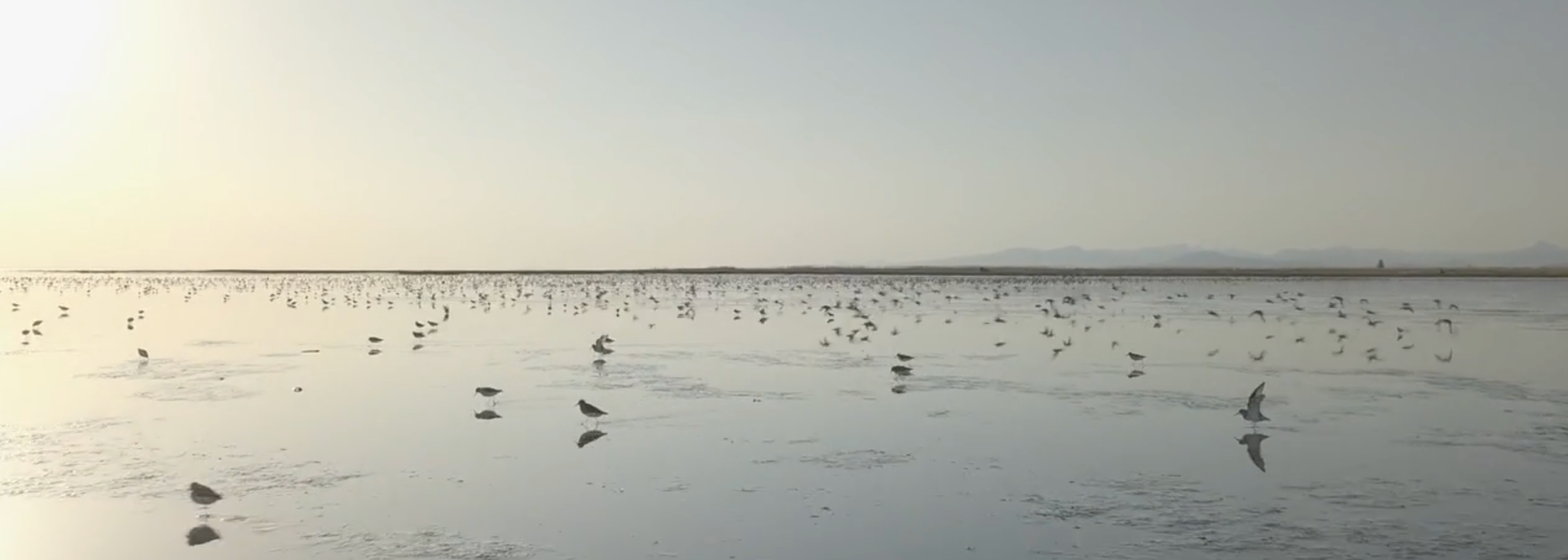
FEATURED ARTICLE | CANADIAN GEOGRAPHIC
Isabelle Groc
The Magic in the Mud:
Sandpipers’ Migration Superfood
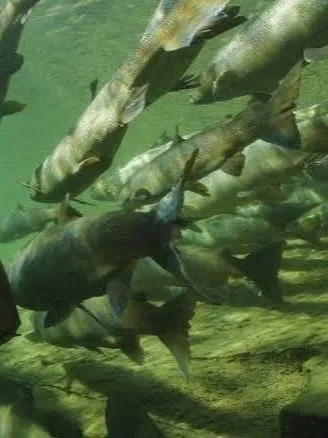
Atlantic salmon are disappearing from rivers across Atlantic Canada. Filmmaker Nick Hawkins follows the people working to restore one of the country's most iconic species.
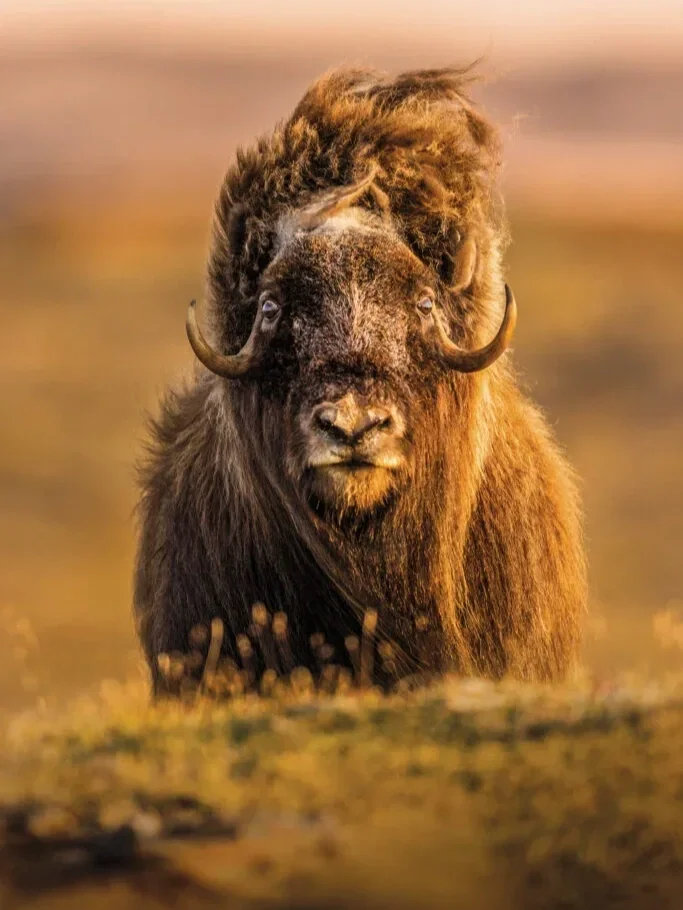
Muskoxen have survived in the Arctic for thousands of years, but a changing climate is creating new challenges. Susan Kutz explores what these ancient animals reveal about the future of northern ecosystems.
For generations, the people of Fort Chipewyan have lived in close relationship with the waters of the Peace-Athabasca Delta. Sara Hylton documents the stories and deep connections that continue to shape life in the community.
ARTICLES
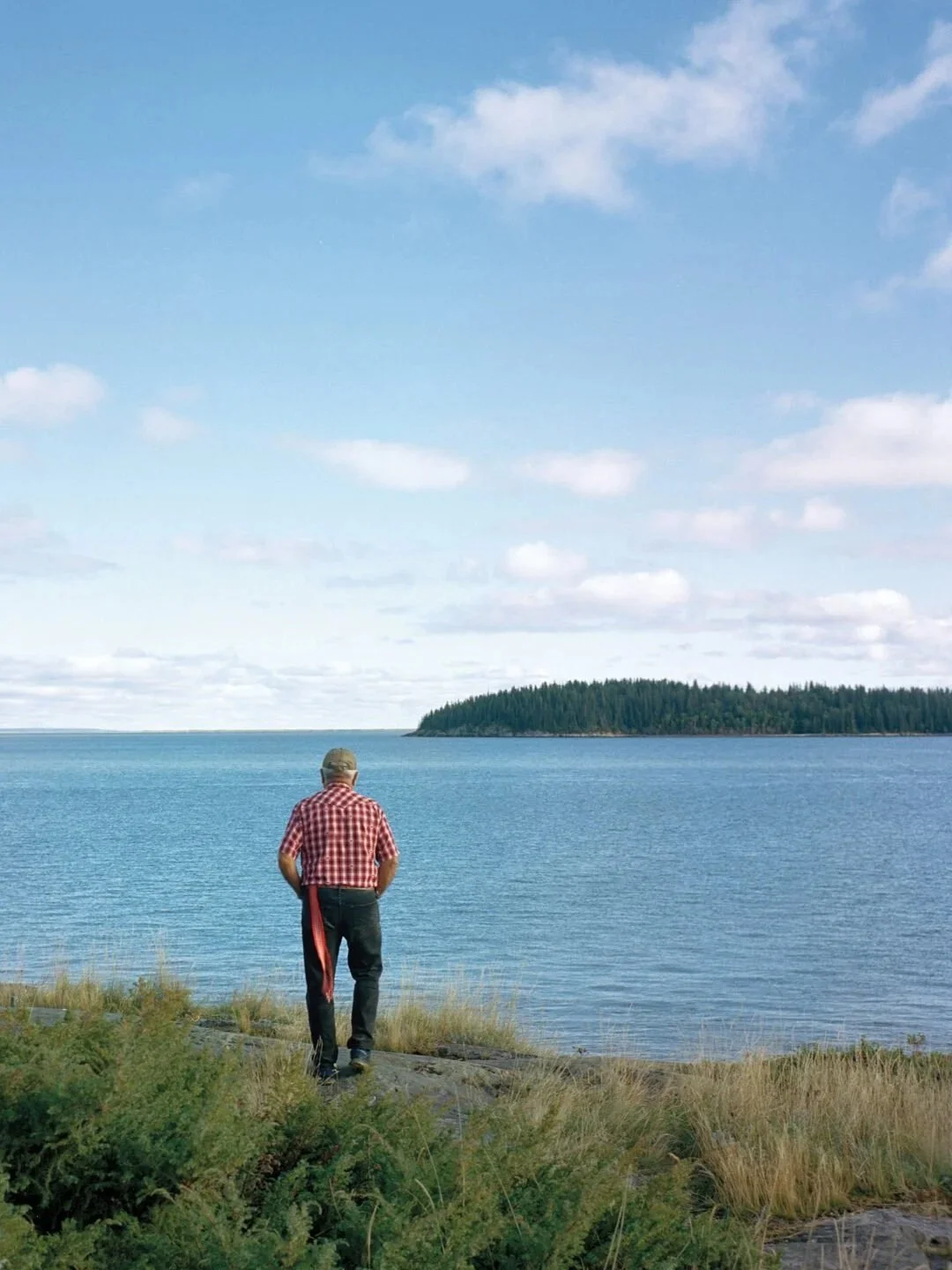
LIFEBLOOD: FORT CHIPEWYAN’S RELATIONSHIP TO WATER
Susan Kutz
Sara Hylton
MUSKOXEN: TUNDRA’S ULTIMATE SURVIVORS
THE FIGHT TO SAVE ATLANTIC SALMON
Nick Hawkins
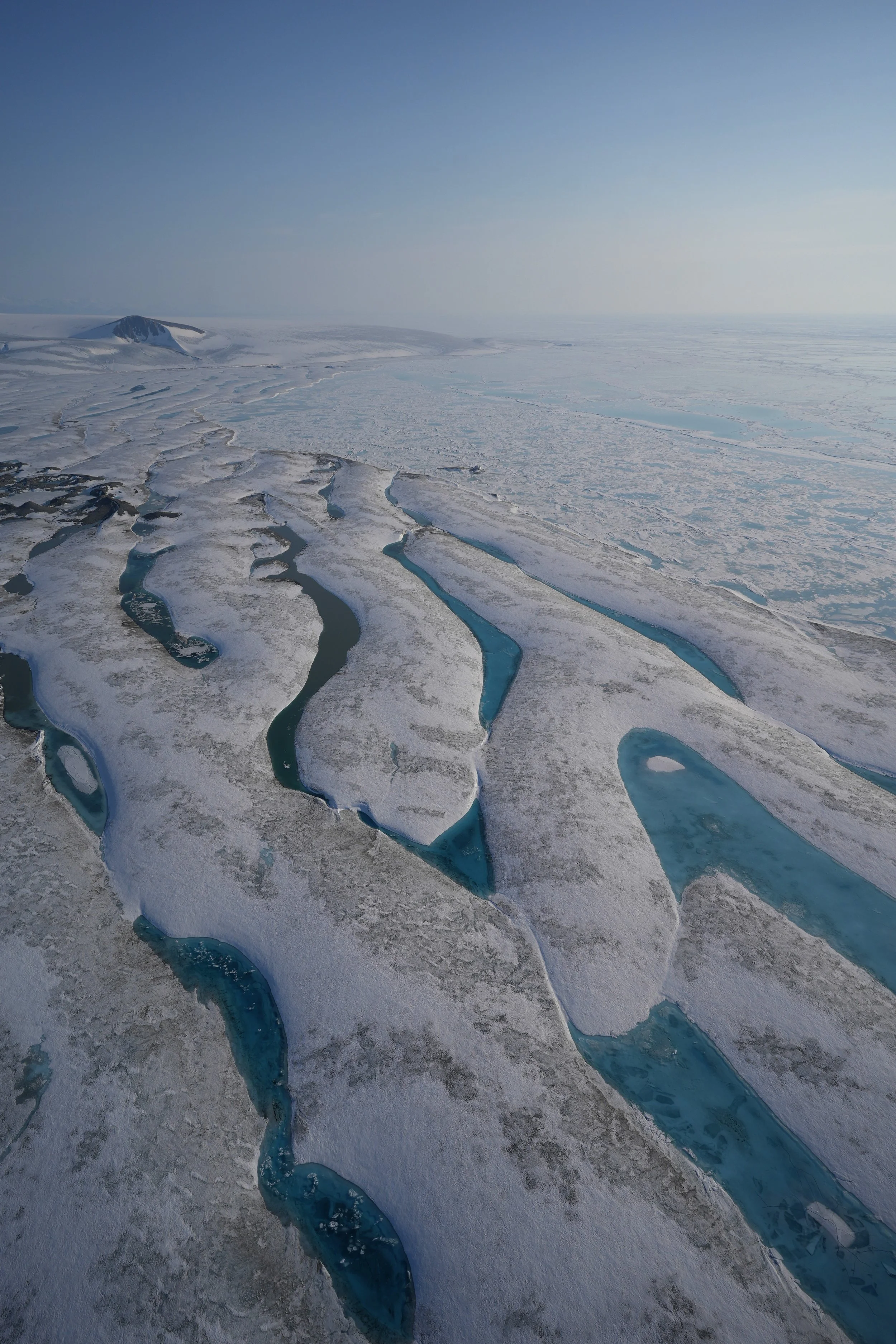
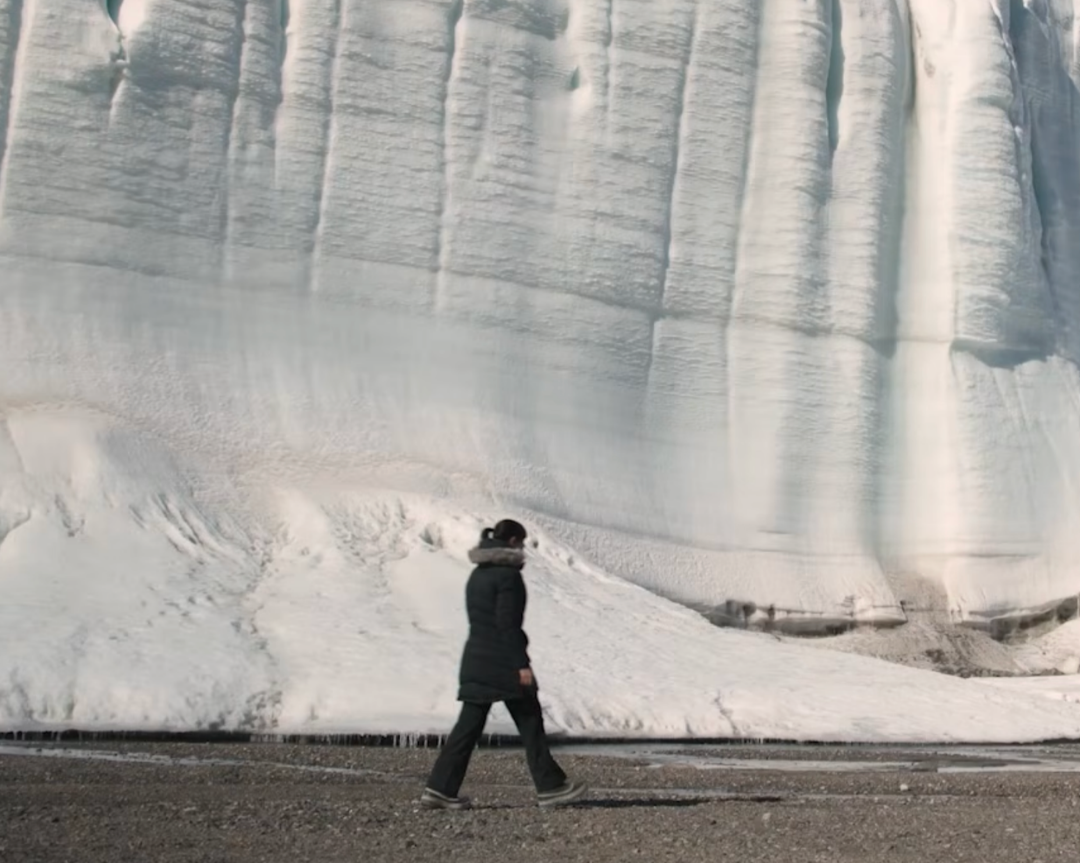
"Returning to the Milne Ice Shelf at such a critical moment allowed us to document the disappearance of the last epishelf lake in the Canadian Arctic.
Those observations are helping improve the models scientists use to understand a rapidly changing Arctic."
2021 Trebek Grantee - Anna Crawford
The Stability Of Canada’s Last Intact Ice Shelf
SCIENCE & RESEARCH
JOURNAL OF EXPERIMENTAL BIOLOGY
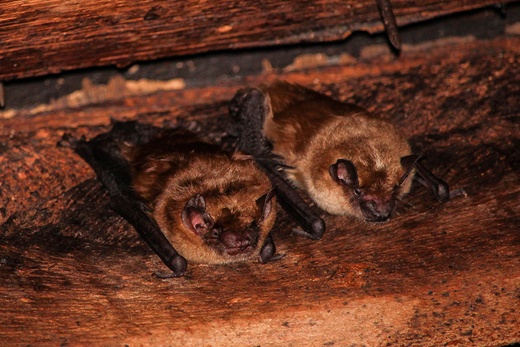
Overheating Bat Boxes
Put Bats in Peril
ZENON CZENZE
Trebek Grantee Zenon Czenze and collaborators found that some bat boxes can reach dangerous temperatures during extreme heat events, putting the animals they are meant to protect at risk.
ROYAL MUSEUMS GREENWICH
ANNA CRAWFORD
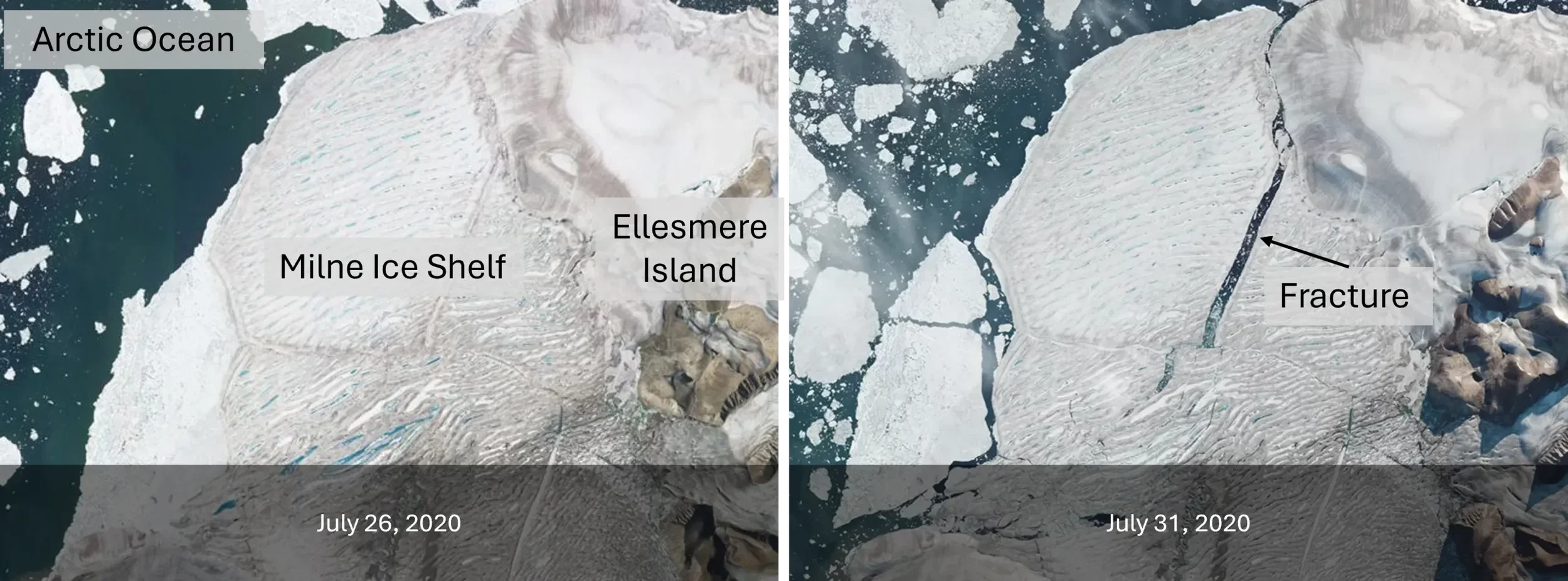
Witnessing the Loss
of an Arctic Ecosystem
Through field research at Milne Fiord, Trebek Grantee Anna Crawford documents how climate change is reshaping one of Canada's most fragile Arctic ecosystems.
THIS QUARTER AT TREBEK
| WILDFIRES
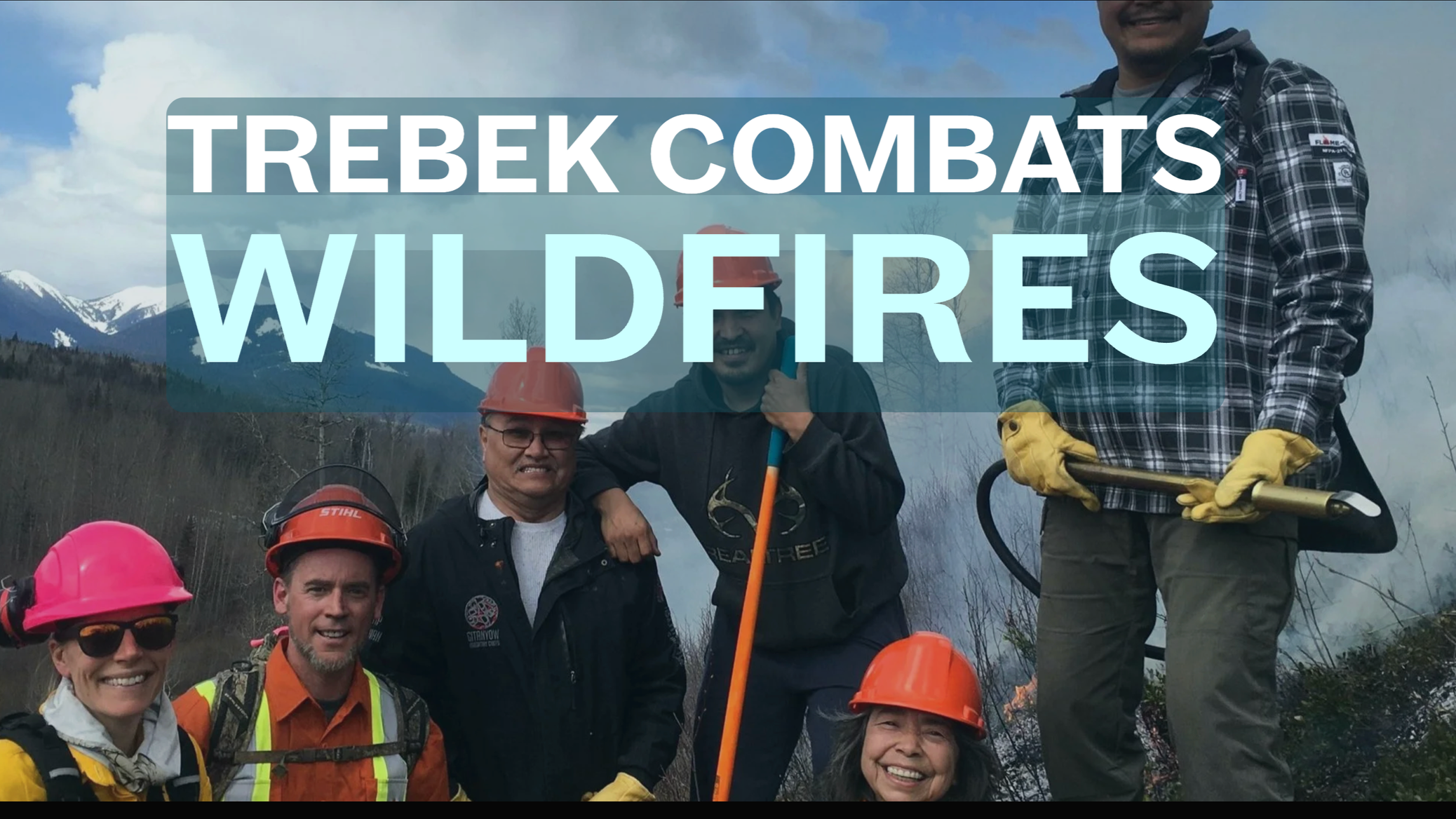
ISSUE #1 | FALL 2024
How Indigenous fire stewardship, climate change, and research are changing Canada’s forests.
| ARCTIC CHANGE
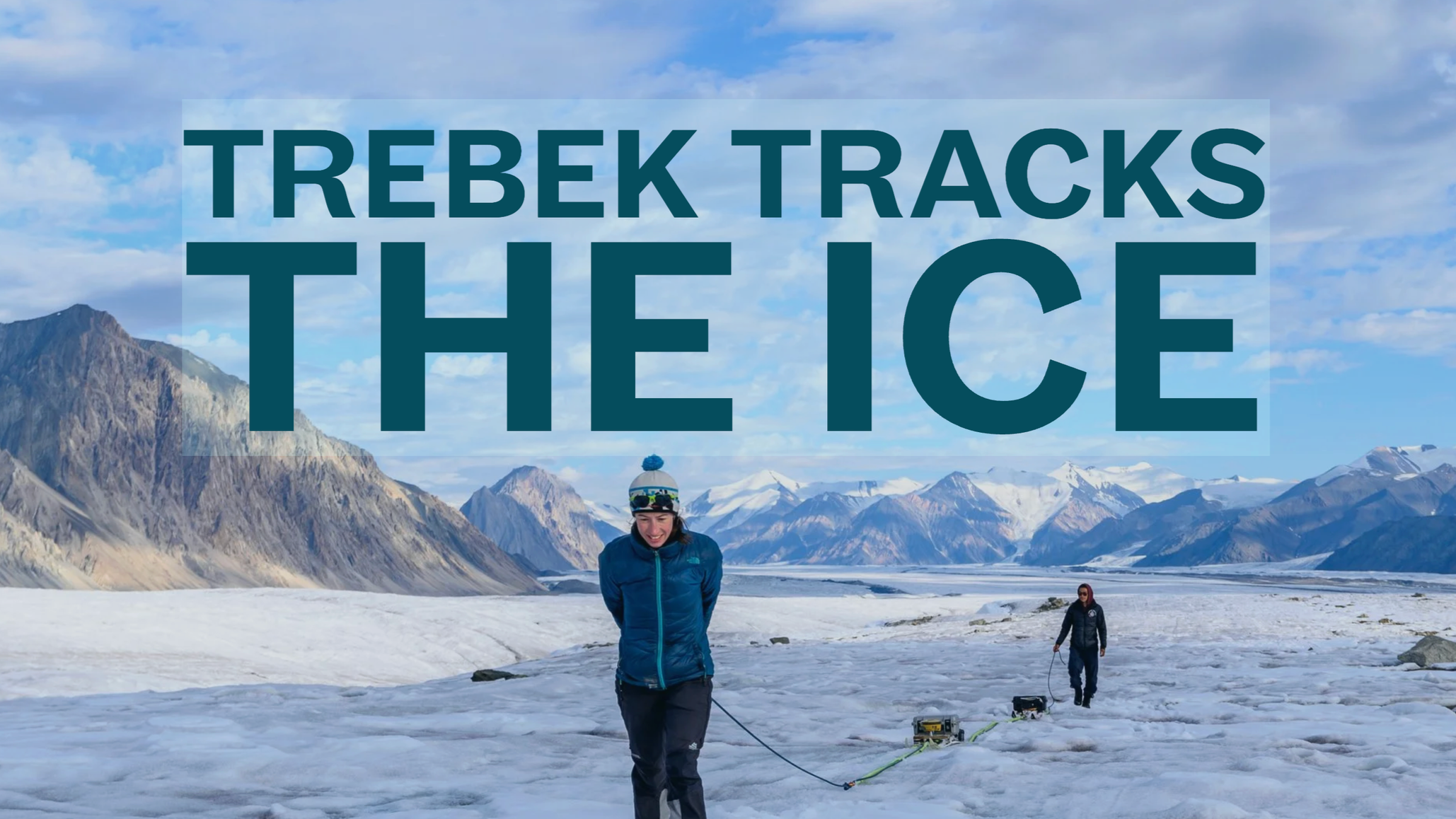
ISSUE #3 | SPRING 2025
Melting glaciers and shifting sea ice are reshaping travel, research and daily life across the Arctic.
| FRESHWATER ECOSYSTEMS
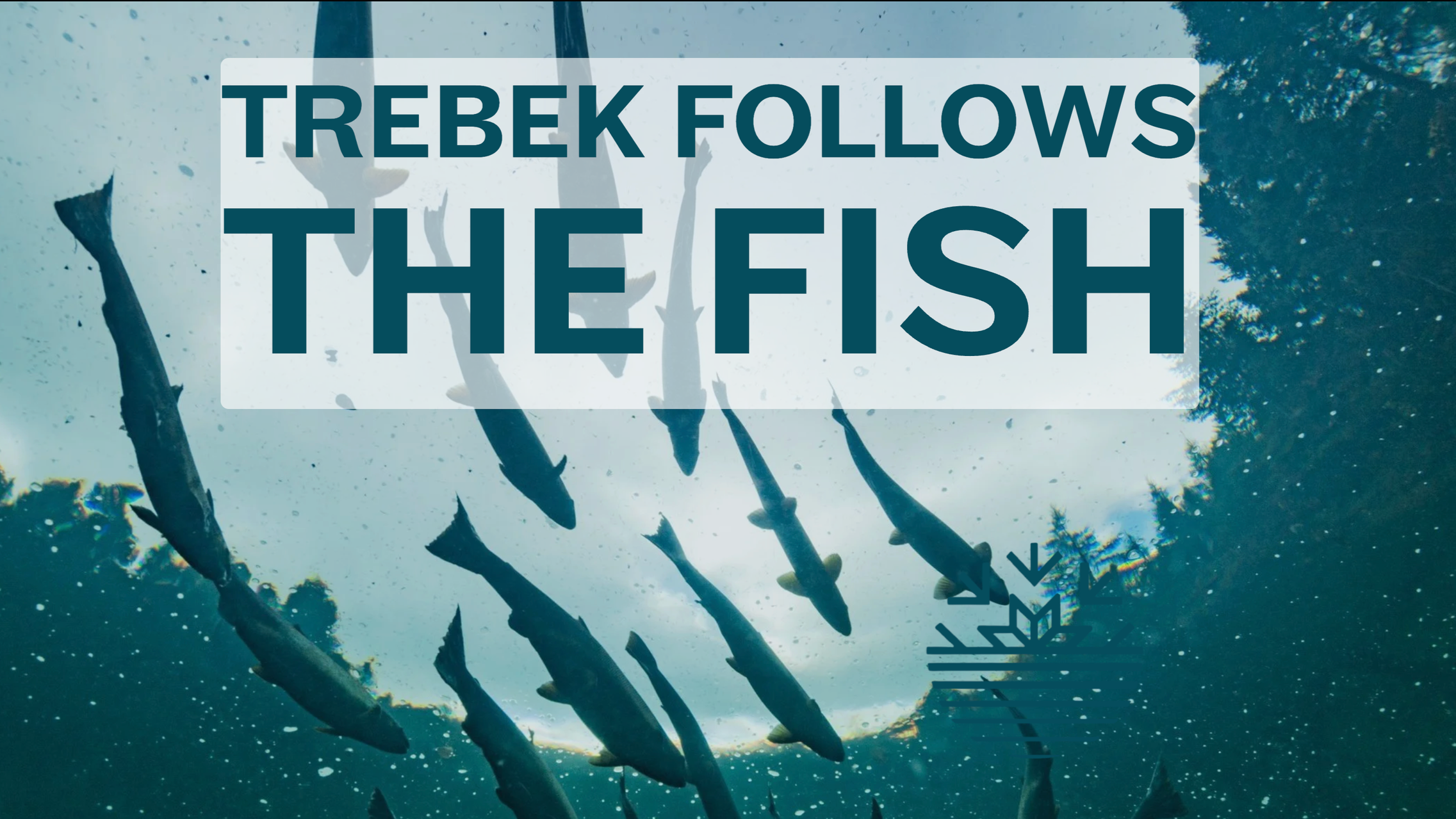
ISSUE #4 | SUMMER 2025
Invasive species, forestry, climate change and development are transforming lakes and rivers.
TALKS & PODCASTS
EXPLORING BY THE SEAT OF YOUR PANTS
Wild Caving
CHRISTIAN STENNER
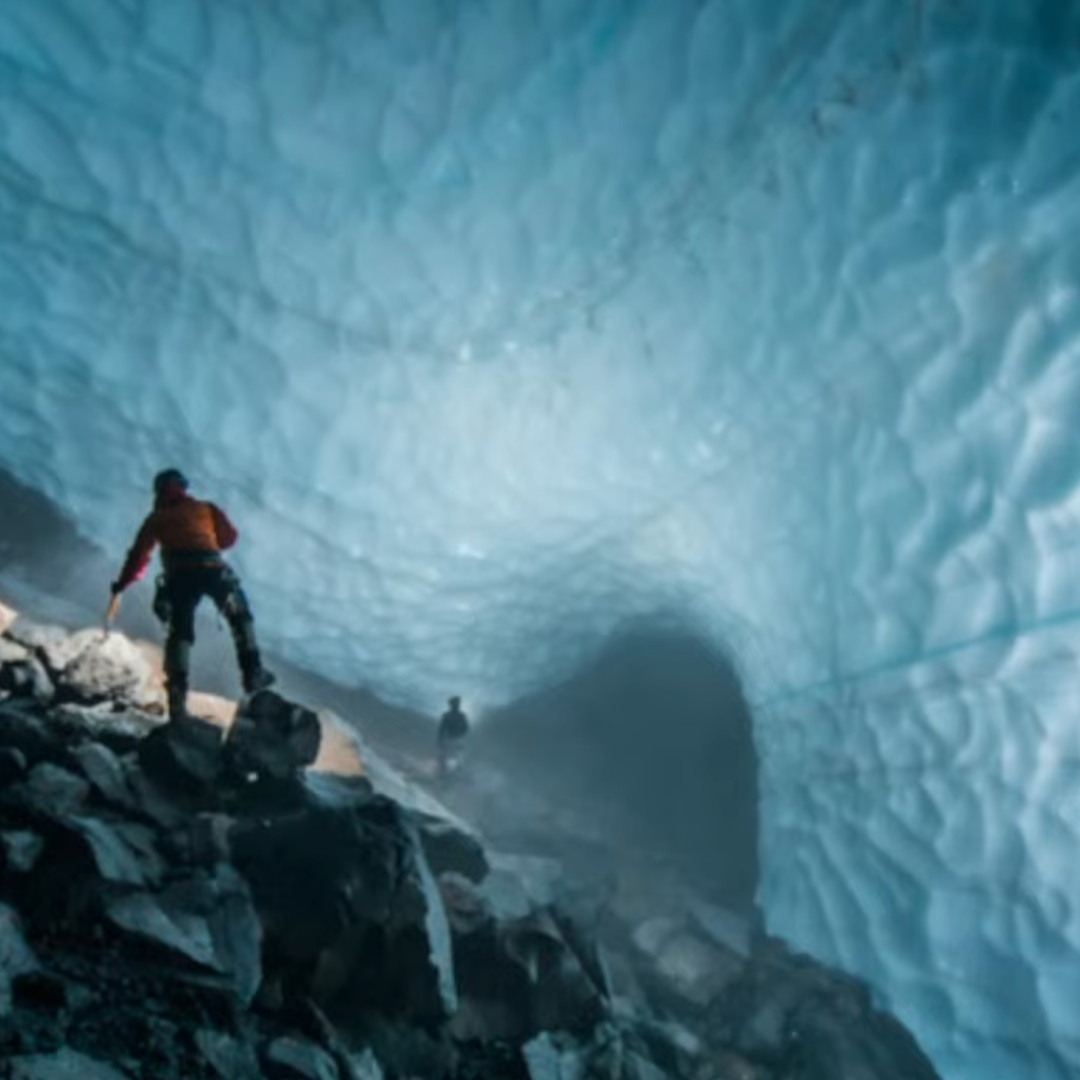
Venture into some of the darkest and most unique places inside the Earth: Caves formed where glacier ice and volcanic heat interact, creating otherworldly environments that are both cold and hot at the same time.
Christian Stenner has explored the largest and deepest of the world’s glaciovolcanic caves. Caves that tell us about volcanic activity and changing climate, the extreme microorganisms that can survive there, and how we might first find life on other planets.
CAN GEO TALKS
RYAN TIDMAN
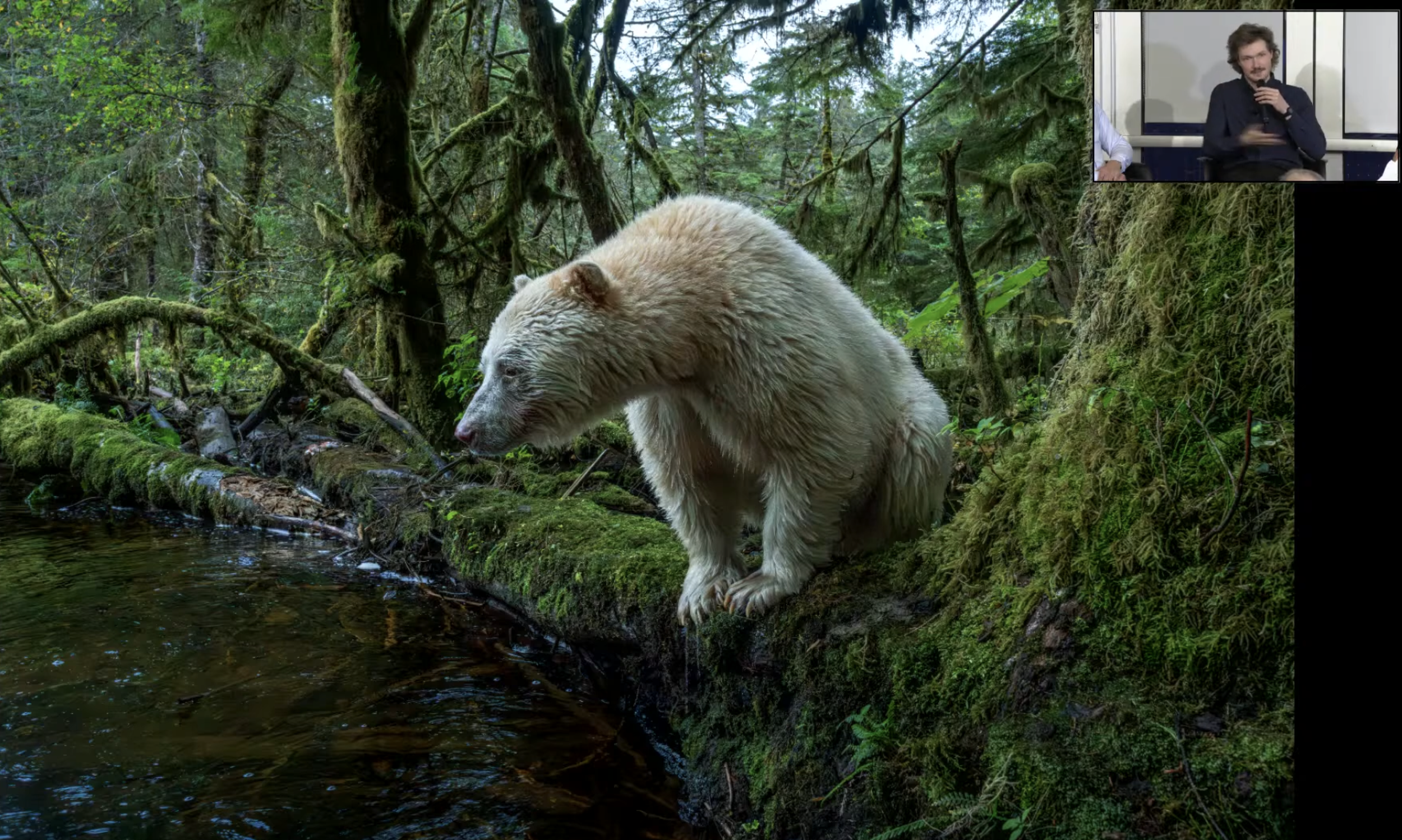
Picturing the Wild
Wildlife photographer and filmmaker Ryan Tidman shares stories from a career spent documenting some of British Columbia's most remarkable ecosystems.
From temperate rainforests and coastal waters to Arctic and Antarctic expeditions, his work blends scientific insight with visual storytelling to reveal wildlife and the landscapes they depend on.