
SCIENCE & RESEARCH
Explore research and scientific publications by Trebek Grantees, including work connected to their Trebek-supported projects.
LAND
3 PUBLICATIONS
Glaciovolcanic cave environments
CHRISTIAN STENNER
+
Beneath Mount Meager’s Job Glacier is the only known glaciovolcanic cave system in North America steadily releasing sulphur-rich gases. Samples collected inside revealed acidic, sulphate-rich conditions and a diverse microbial community with the potential to transform both carbon and sulphur. The findings also point to the cave as a possible analogue for icy ocean worlds such as Saturn’s moon Enceladus. READ PAPER →
REFERENCE
Clance, J.J., Shaffer, J.M.C., Cable, M.L., Stenner, C., Williams-Jones, G., Szynkiewicz, A., Paton, M., Graham, K., Vinnes, O. & Mikucki, J.A. 2024. Biogeochemistry of the rare sulfidic glaciovolcanic cave system on Mount Meager, British Columbia, Canada. Frontiers in Geochemistry, 2, 1410338. DOI: 10.3389/fgeoc.2024.1410338.
FRONTIERS IN GEOCHEMISTRY
Biogeochemistry of the rare sulfidic glaciovolcanic cave system on Mount Meager, British Columbia, Canada
CHRISTIAN STENNER
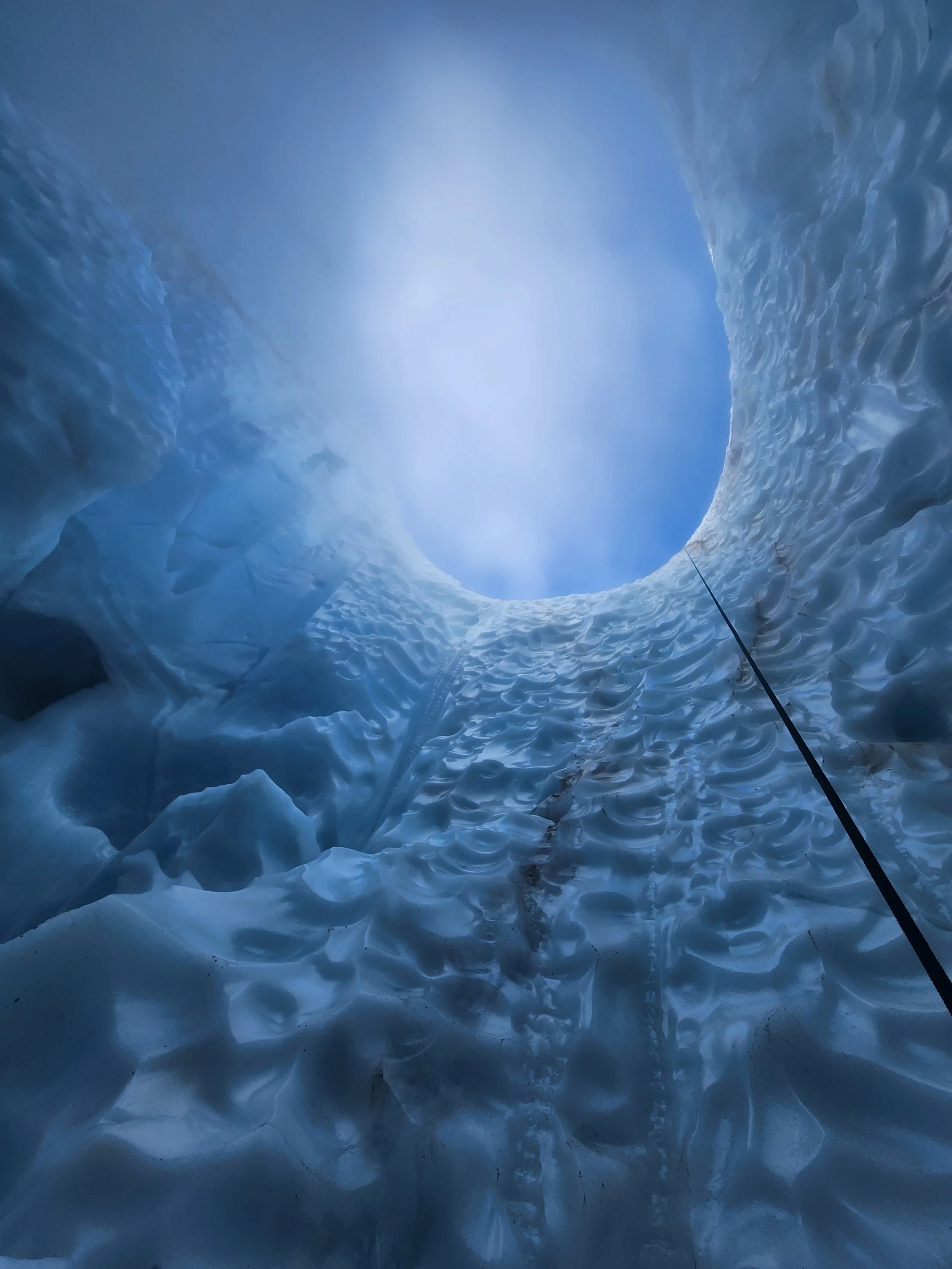
Glaciovolcanic caves are temporary landscapes, continually reshaped from below by volcanic heat and from above by moving ice. Drawing on field observations from several volcanoes, the research examines how heat, airflow and volcanic gases influence their formation, morphology and microclimate. READ PAPER →
REFERENCE
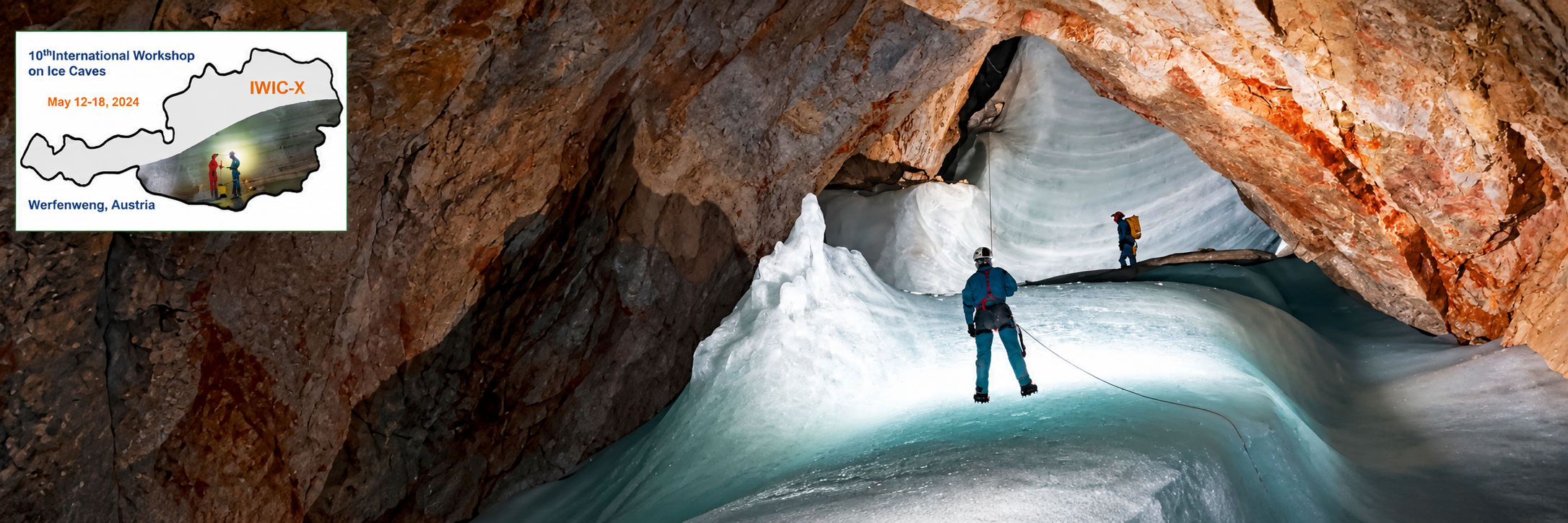
Stenner, C., Florea, L., Pflitsch, A., Sobolewski, L. & Williams-Jones, G. 2024. Morphodynamics, morphology, and microclimate of glaciovolcanic cave systems. Abstract Volume of the 10th International Workshop on Ice Caves (IWIC-X), May 12–18, 2024, Werfenweng, Austria. University of Innsbruck. DOI: 10.25651/1.2024.0002.
10TH INTERNATIONAL WORKSHOP ON ICE CAVES
Morphodynamics, morphology, and
microclimate of glaciovolcanic cave systems
CHRISTIAN STENNER
Dark, nutrient-poor and warmed by volcanic activity, glaciovolcanic caves share characteristics with environments beyond Earth. Research spanning Mount Meager and volcanoes in the Cascade Range found distinct microclimates and microbial communities, including some that may survive on volcanic or trace atmospheric gases. These similarities could help inform the search for life on worlds such as Mars and Enceladus. READ PAPER →
REFERENCE
Stenner, C., Florea, L.J., Sobolewski, L., Pflitsch, A., Cable, M., Anitori, R., Davis, R.E., Graham, K. & Williams-Jones, G. 2024. The environment of glaciovolcanic caves and their value as planetary analogues. Frontiers Unbound: Exploring Extreme Environments, September 13, 2024. Oral presentation. DOI: 10.5038/FUe3-2024-26.
FRONTIERS UNBOUND: EXPLORING EXTREME ENVIRONMENTS
The environment of glaciovolcanic caves
and their value as planetary analogues
CHRISTIAN STENNER

CANADIAN JOURNAL OF FOREST RESEARCH
ELLEN WHITMAN
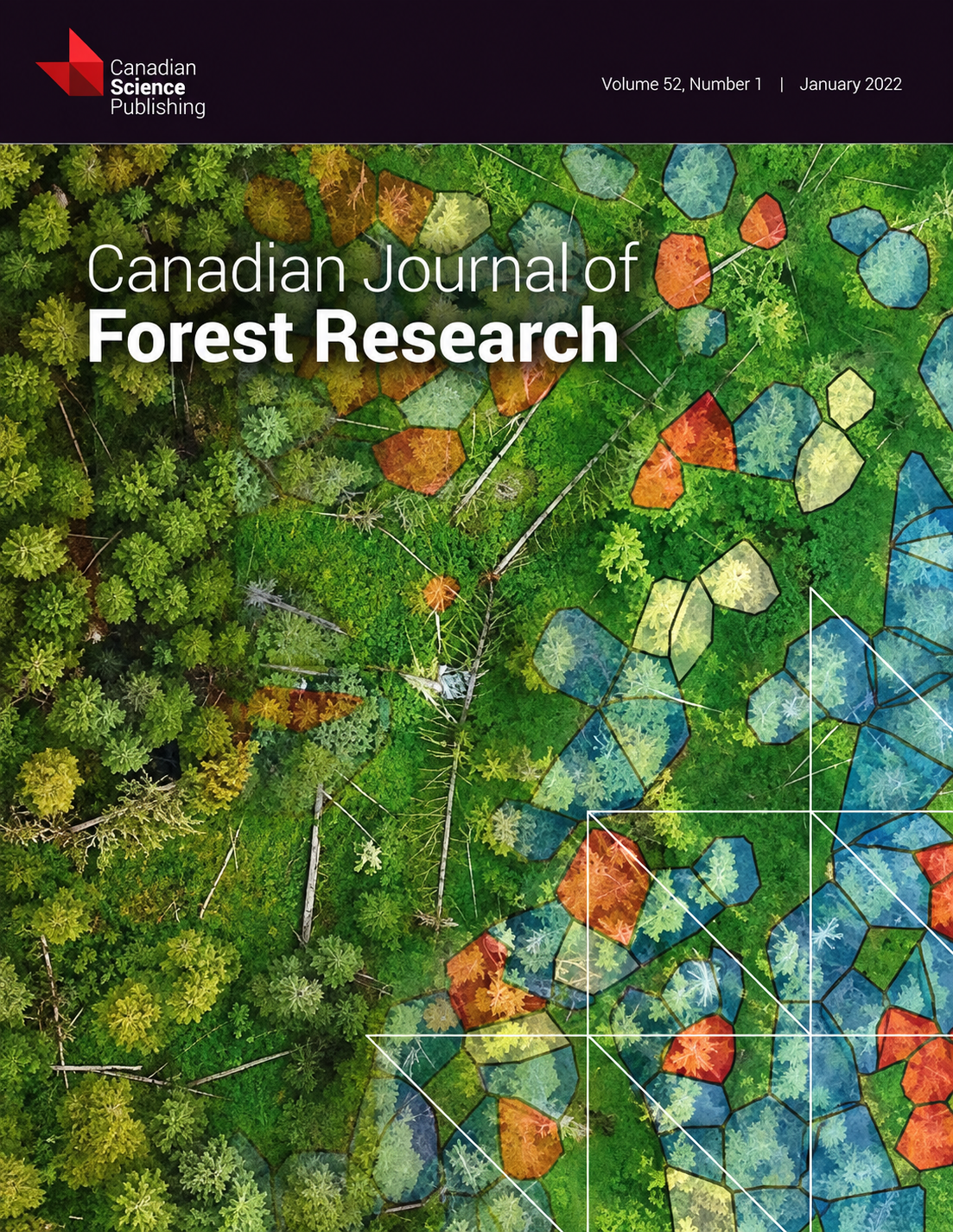
Post-fire forest regeneration failure
+
After a wildfire, a forest does not always return to what it was before. Across western North America, hotter and drier conditions are making it harder for conifers to regenerate, raising the possibility of lasting shifts in some landscapes. This review examines how drought and changing fire regimes can combine to push forests beyond their capacity to recover. READ PAPER →
REFERENCE
Stevens-Rumann, C.S., Prichard, S.J., Whitman, E., Parisien, M.-A. & Meddens, A.J.H. 2022. Considering regeneration failure in the context of changing climate and disturbance regimes in western North America. Canadian Journal of Forest Research, 52(10), 1281–1302. DOI: 10.1139/cjfr-2022-0054.
CANADIAN JOURNAL OF FOREST RESEARCH
Considering regeneration failure in the context of changing climate and disturbance regimes in western North America
ELLEN WHITMAN
KIRA HOFFMAN
4 PUBLICATIONS
Cultural and prescribed fire in Canada
+
Bringing cultural and prescribed fire back to western Canadian landscapes takes more than knowing how to burn. Drawing on five case studies, this perspective examines the people and organizations working across Indigenous knowledge, Western science, policy and fire practice to build trust and support collaborative fire stewardship. The authors argue that investing in these “boundary spanners” is critical to expanding cultural and prescribed fire. READ PAPER →
REFERENCE
Hoffman, K.M. & Copes-Gerbitz, K. 2024. Boundary spanners catalyze cultural and prescribed fire in western Canada. FACETS, 9, 1–12. DOI: 10.1139/facets-2023-0109.
FACETS
Boundary spanners catalyze cultural
and prescribed fire in Western Canada
KIRA HOFFMAN
Indigenous oral histories can contribute knowledge that extends beyond conventional scientific records. Reflecting on research from the western Great Lakes, Hoffman describes how researchers brought Anishinaabe oral history together with ecological evidence to examine the long history of Indigenous fire stewardship. The work shows how low-severity burning helped maintain pine forests and support blueberries and other important food sources, demonstrating the value of bringing different ways of knowing together to understand landscapes over time. READ PAPER →
REFERENCE
Hoffman, K.M. 2026. Welcoming all forms of knowledge enables more complete understanding. Nature Reviews Biodiversity, 2, 147. DOI: 10.1038/s44358-026-00135-3.
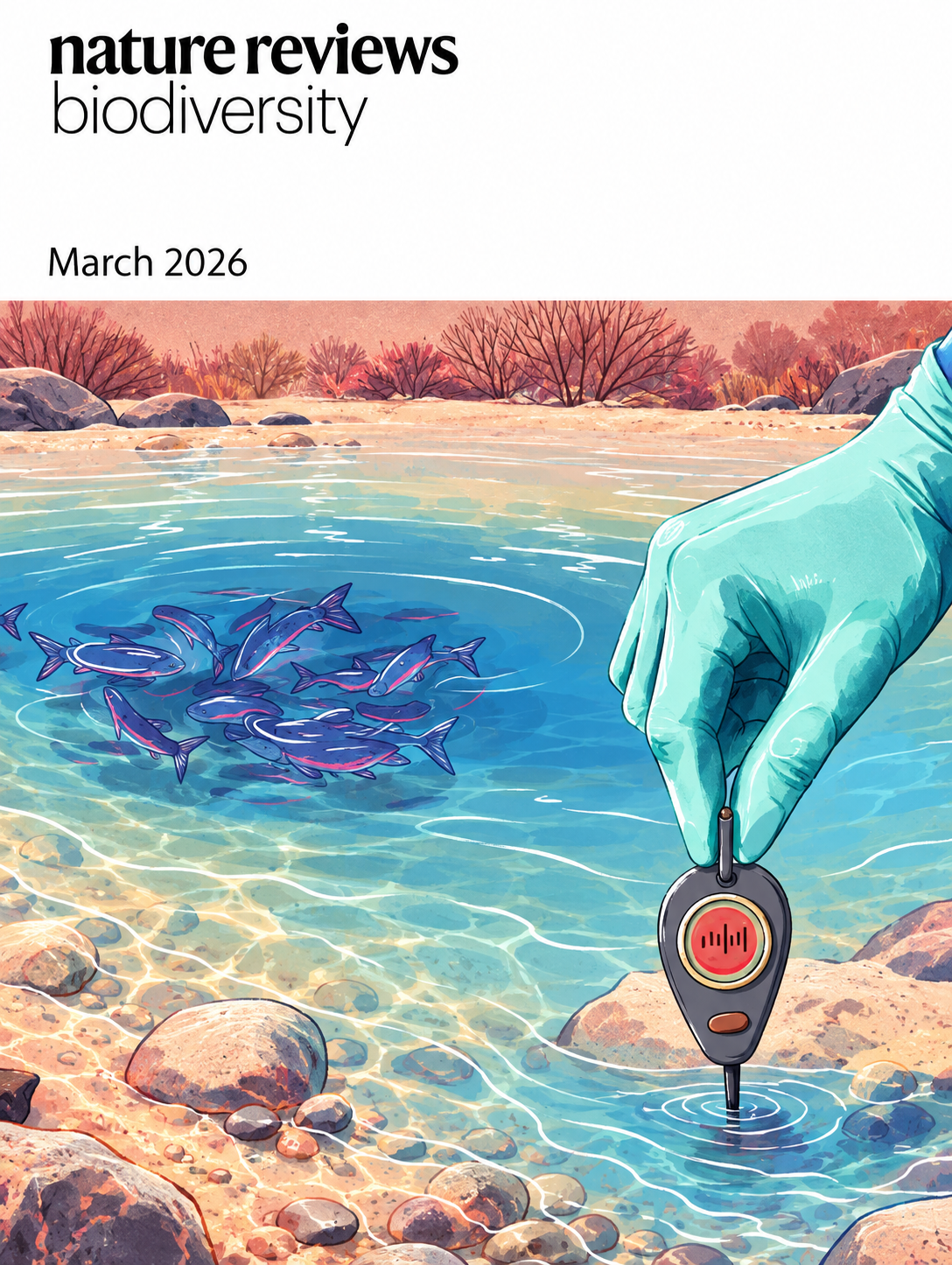
NATURE REVIEWS BIODIVERSITY
Welcoming all forms of knowledge
enables more complete understandings
KIRA HOFFMAN
As wildfires in Canada increase in number, size and intensity, the authors argue that strengthening forest resilience requires a fundamental shift in how fire and forests are managed. They call for better data to track changing forests, greater use of prescribed and cultural fire, and management approaches that reduce vulnerability before extreme fires occur. Central to their argument is that Indigenous Peoples should lead efforts to build more resilient forests and that Indigenous knowledge should inform them. READ PAPER →
REFERENCE
Mulverhill, C., Coops, N.C., Boulanger, Y., Hoffman, K.M., Cardinal Christianson, A., Daniels, L.D., Flamand-Hubert, M., Wotherspoon, A.R. & Achim, A. 2024. Wildfires are spreading fast in Canada — we must strengthen forests for the future. Nature, 633, 282–285. DOI: 10.1038/d41586-024-02919-z.
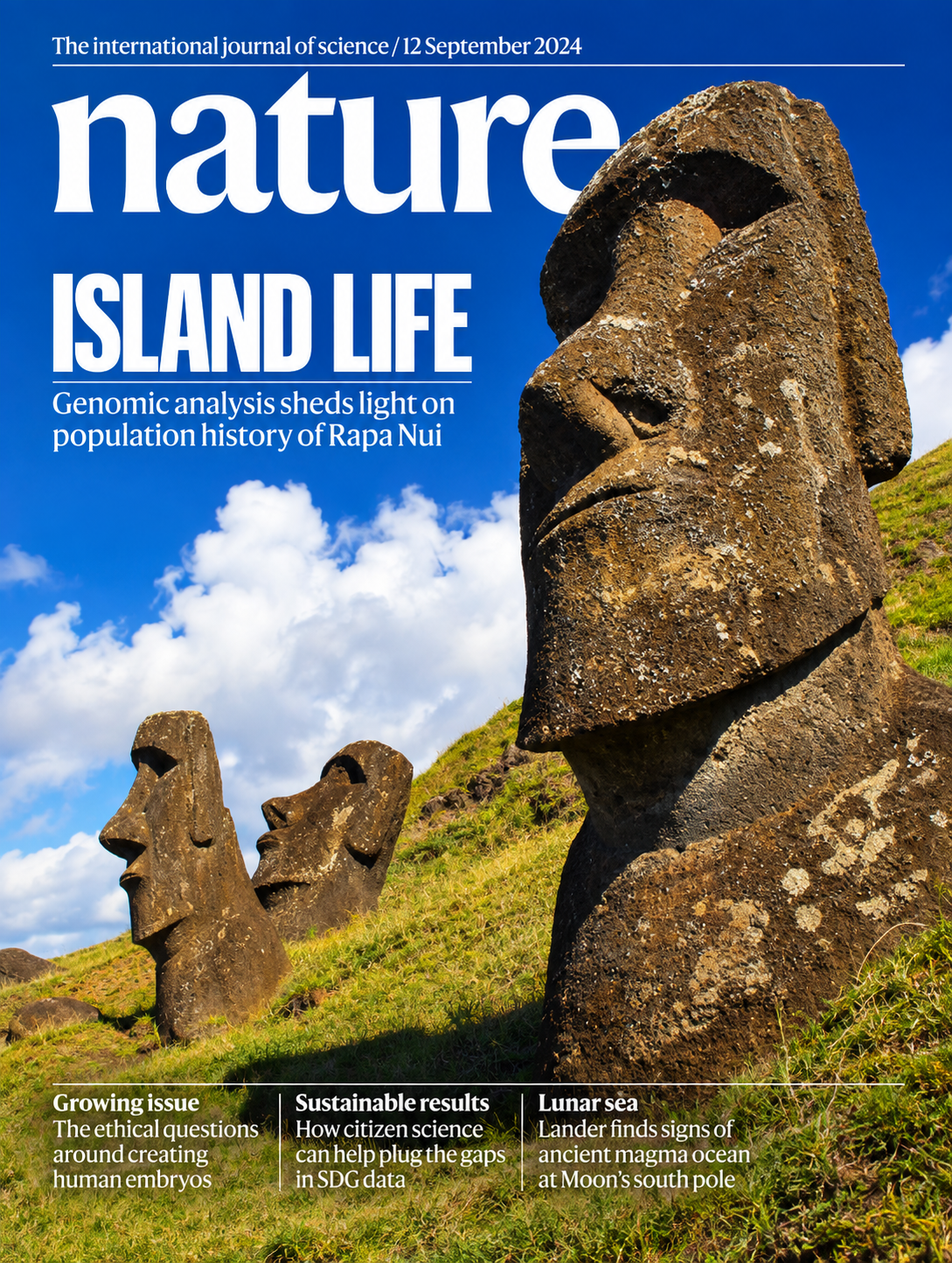
NATURE
Wildfires are spreading fast in Canada —
we must strengthen forests for the future
KIRA HOFFMAN
British Columbia’s record-breaking 2023 wildfire season saw 2,245 fires burn more than 2.8 million hectares. Examining the conditions and human–forest–fire relationships behind the extreme season, the authors argue that contemporary wildfires reflect more than a century of altered relationships with fire, intensified by climate change. They propose six interrelated strategies to transform wildfire and forest management and help ecosystems and communities become more fire-resilient. READ PAPER →
REFERENCE
Daniels, L.D., Dickson-Hoyle, S., Baron, J.N., Copes-Gerbitz, K., Flannigan, M.D., Castellanos-Acuna, D., Hoffman, K.M., Bourbonnais, M., et al. 2025. The 2023 wildfires in British Columbia, Canada: impacts, drivers, and transformations to coexist with wildfire. Canadian Journal of Forest Research, 55, 1–18. DOI: 10.1139/cjfr-2024-0092.
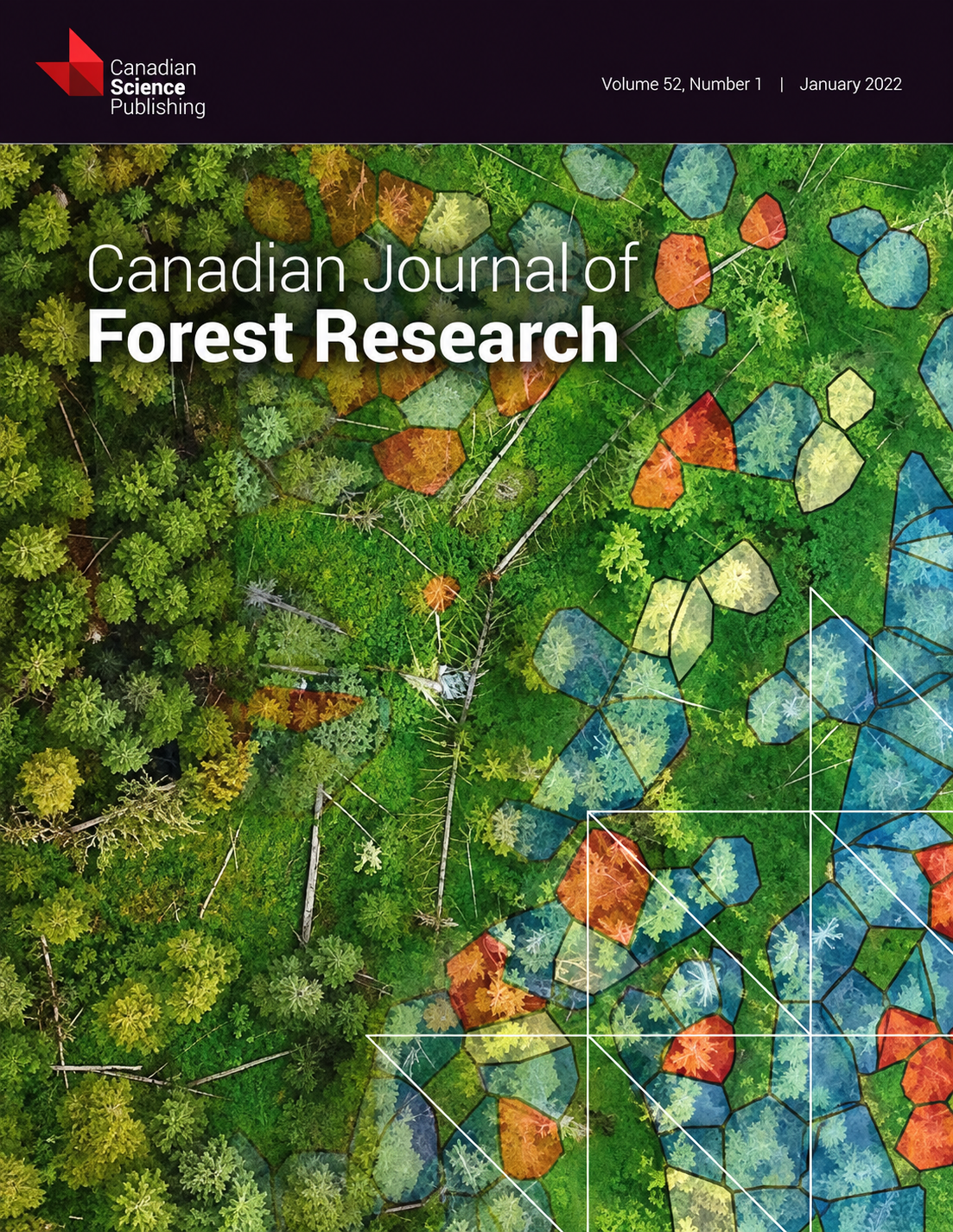
CANADIAN JOURNAL OF FOREST RESEARCH
The 2023 wildfires in British Columbia, Canada: impacts, drivers, and transformations to coexist with wildfire
KIRA HOFFMAN
Indigenous science, technology and society
GENEALOGY
JESSICA KOLOPENUK
+
What might science look like when understood through Indigenous thought rather than defined by Western institutions? Drawing on the Cree concept of miskâsowin, or finding one's sense of origin and belonging, Jessica Kolopenuk articulates an Indigenous approach to science, technology and society grounded in Indigenous knowledge, relationships and ways of knowing. READ PAPER →
REFERENCE
Kolopenuk, J. 2020. Miskâsowin: Indigenous Science, Technology, and Society. Genealogy, 4(1), 21. DOI: 10.3390/genealogy4010021.
GENEALOGY
Miskâsowin: Indigenous Science, Technology, and Society
JESSICA KOLOPENUK
Long-term boreal fire regimes
5 PUBLICATIONS
DORIAN GABORIAU
+
Thousands of years of fire history are archived in the sediments of northern boreal lakes. Charcoal records from the central Northwest Territories (Canada) indicate that the largest and most severe fires occurred during periods of warm temperatures and when dense and fire-prone vegetation provided sufficient fuel to burn. These findings highlight the long-term interactions between climate variability and fuel availability in shaping boreal fire regimes. READ PAPER →
REFERENCE
Gaboriau D M, Remy C C, Girardin M P, Asselin H, Hély C, Bergeron Y and Ali A A 2020 Temperature and fuel availability control fire size/severity in the boreal forest of central Northwest Territories, Canada Quat. Sci. Rev. 250 106697
QUATERNARY SCIENCE REVIEWS
Temperature and fuel availability control fire size/severity in the boreal forest of the central Northwest Territories
DORIAN GABORIAU
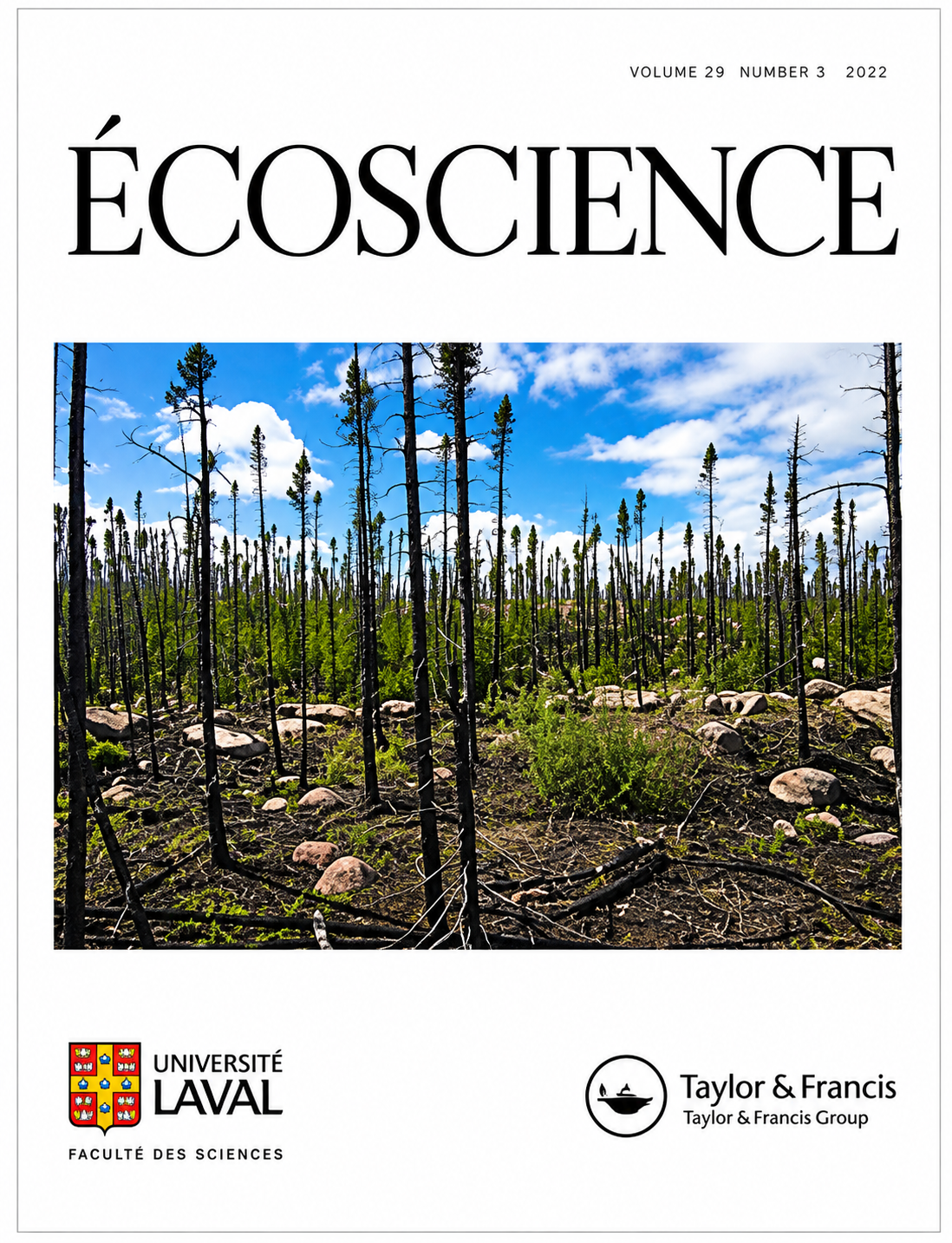
In this study, we analyzed temporal and spatial variation in fire regime components (fire occurrence, burned area, ignition sources, and fire-season length) in the boreal forest of the Tłı̨chǫ territory (Northwest Territories). Nine Extreme Wildfire Years (EWY) occurred from 1965 to 2019, including 2014. Compared to non-EWY, EWY had significantly higher mean temperature and drought conditions. These results highlight the role of climate-driven conditions on EWY at regional scale. READ PAPER →
REFERENCE
Gaboriau D M, Asselin H, Ali A A, Hély C and Girardin M P 2022 Drivers of extreme wildfire years in the 1965–2019 fire regime of the Tłı̨chǫ First Nation territory, Canada Écoscience 29 249–65
ÉCOSCIENCE
Drivers of extreme wildfire years in the 1965–2019 fire regime of the Tłı̨chǫ First Nation territory, Canada
DORIAN GABORIAU
Dry, warm conditions have intensified large, high-severity wildfires in the Northwest Territories (Canada) over the past decade. Although temperatures are projected to rise through the 21st century, the response of the climate–vegetation–fire nexus remains uncertain. Simulations of burn rates, species composition, and biomass indicate declining burn rates across most of the territory due to climate-driven shifts that reduce fuel availability. In contrast, projected increases in needleleaf biomass, particularly in southeastern Northwest Territories, are expected to increase wildfire risk. READ PAPER →
REFERENCE
Gaboriau D M, Chaste É, Girardin M P, Asselin H, Ali A A, Bergeron Y and Hely C 2023 Interactions within the climate-vegetation-fire nexus may transform 21st century boreal forests in northwestern Canada Iscience 26
ISCIENCE
Interactions within the climate-vegetation-fire nexus may transform 21st century boreal forests in northwestern Canada
DORIAN GABORIAU

The hemi-boreal North American zone has undergone major postglacial transformations shaped by interacting climate, vegetation, wildfire, and human populations over the past 12,000 years. Palaeoecological evidence reveals episodes of sustained high biomass burning and a major mid-Holocene shift ~7000 years ago, when increased temperatures and more frequent fires drove a temporary transition from boreal forest to oak–pine barrens, accompanied by declines in Indigenous population size. Projected increases in fire activity under climate warming are expected to mirror past transformations, reducing boreal forest extent and reshaping land-use patterns. READ PAPER →
REFERENCE
Girardin, M.P., Gaboriau, D.M., Ali, A.A., Gajewski, K., Briere, M.D., Bergeron, Y., Paillard, J., Waito, J., Tardif, J.C. 2024 Boreal forest cover was reduced in the mid-Holocene with warming and recurring wildfires. Commun Earth Environ 5, 176.
COMMUNICATIONS EARTH & ENVIRONMENT
Boreal forest cover was reduced in the
mid-Holocene with warming and recurring wildfires
DORIAN GABORIAU

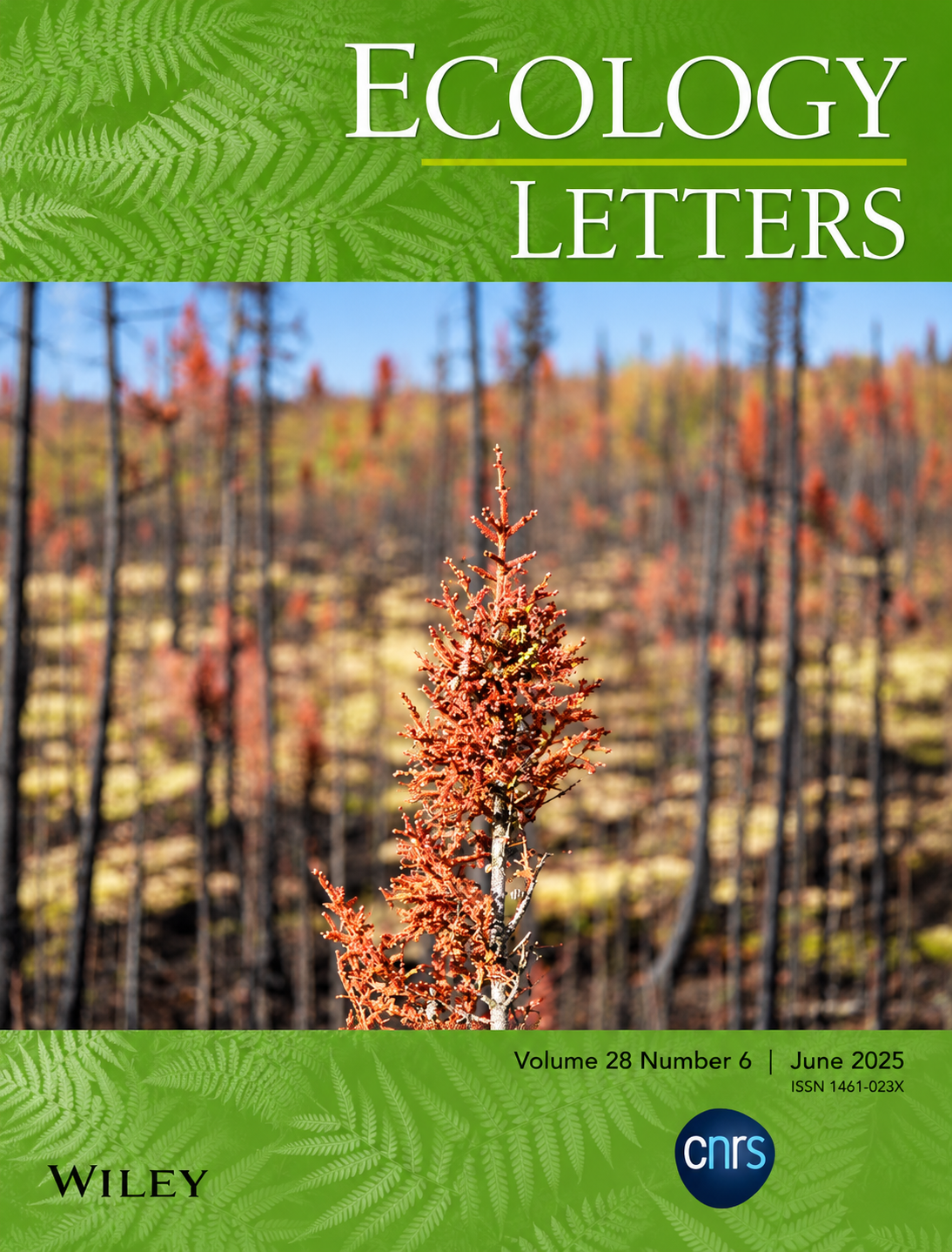
Climate warming is increasing vegetation flammability in eastern North American boreal forests, intensifying high-severity wildfires. Palaeoecological proxies combined with Vapour Pressure Deficit and Available Soil Water simulations show that rising spring drought over the past 4000 years, especially the last 250 years, produced fewer but more severe fires and promoted fire-adapted conifers such as jack pine. Projected increases in VPD and declines in ASW are expected to further intensify this shift toward more pyrogenic vegetation with broad ecological and socio-economic impacts. READ PAPER →
REFERENCE
Ali A A, Gaboriau D M, Lesven J A, Girardin M P, Remy C C, Arseneault D, de Lafontaine G, Danneyrolles V, Asselin H, Gennaretti F, Boucher E, Grondin P, Garneau M, Magnan G, Fréchtte B, Gauthier S, Bergeron Y 2025 Drying spring accelerates transitions toward pyrogenic vegetation in eastern boreal North America Ecol. Lett. 28 e70166
ECOLOGY LETTERS
Drying spring accelerates transitions toward pyrogenic vegetation in eastern boreal North America
DORIAN GABORIAU
Earthquake faults on Vancouver Island
2 PUBLICATIONS
EDWIN NISSEN
+
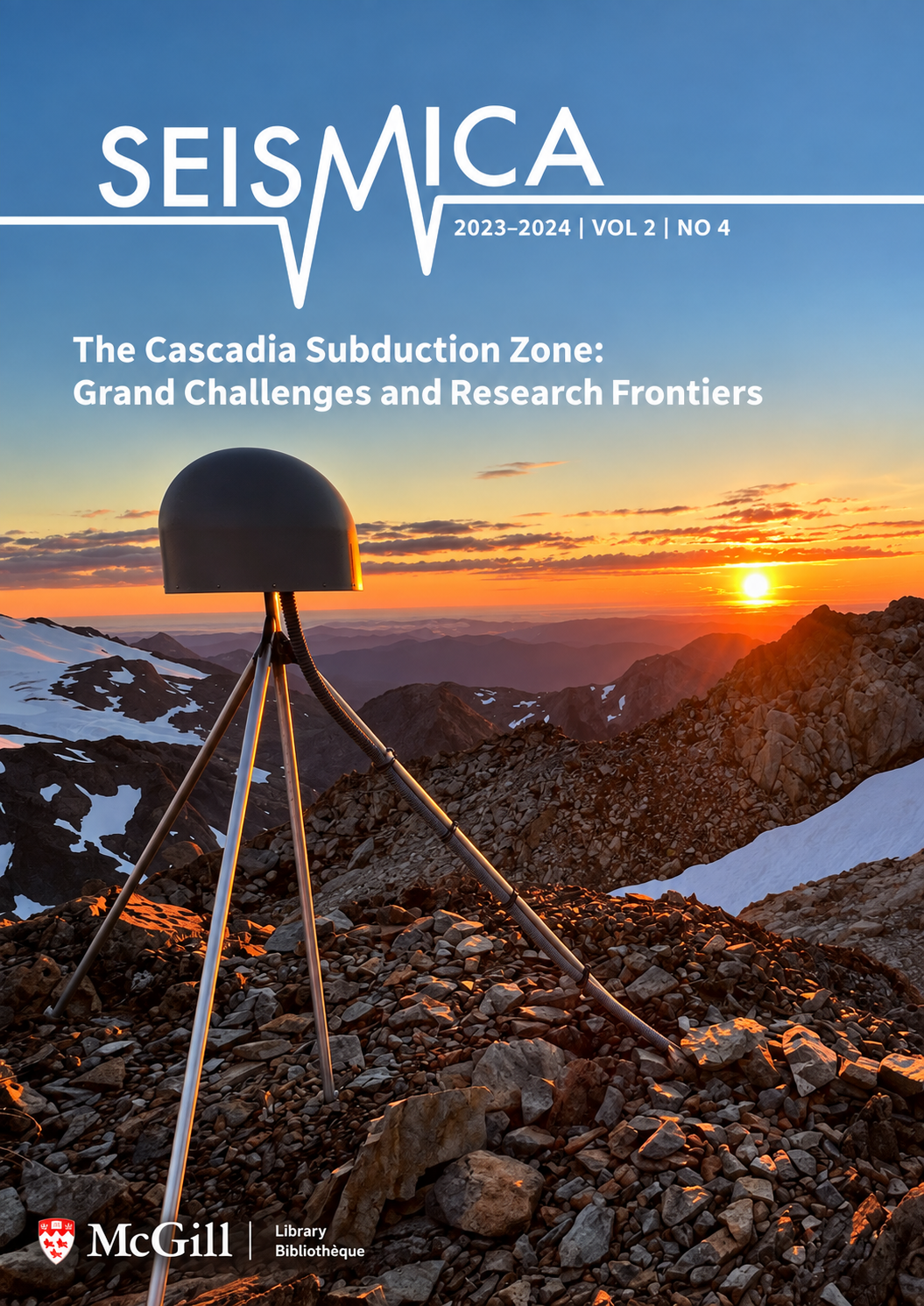
High-resolution lidar has revealed a series of prominent scarps along the San Juan fault on southern Vancouver Island. Geological and geophysical evidence suggests these features may record relatively recent fault movement, but the findings remain somewhat equivocal. The results strengthen the case for further paleoseismic investigation to determine whether the fault has produced large prehistoric earthquakes and what risk it may pose today. READ PAPER →
REFERENCE
Salomon, G., Finley, T., Nissen, E., Leonard, L.J. & Harrichhausen, N. 2026. Probable surface
ruptures along the San Juan fault in the recently deglaciated northern Cascadia forearc. Seismica.
SEISMICA
Probable surface ruptures along the San Juan fault
in the recently deglaciated northern Cascadia forearc
EDWIN NISSEN
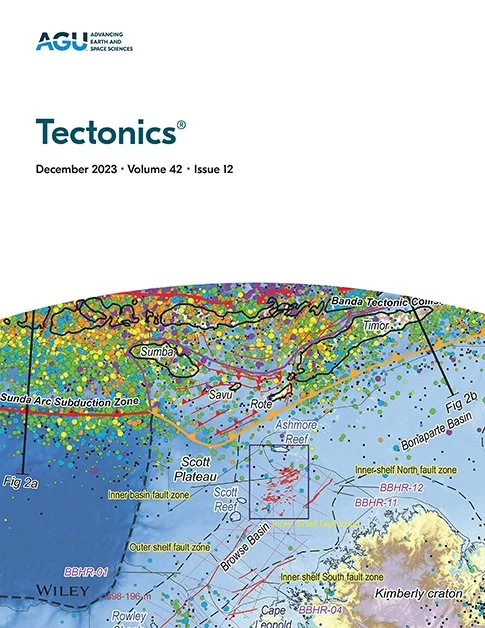
Researchers identified a previously unrecognized active fault about 10 kilometres north of Victoria using remote sensing, field investigations and shallow geophysical surveys. Evidence indicates that the X̱EOLX̱ELEK–Elk Lake fault produced a large earthquake approximately 4,700 to 2,300 years ago, potentially reaching magnitude 6.1–7.6. The discovery highlights an important source of earthquake hazard beyond the offshore Cascadia subduction zone and could help improve regional hazard assessments. READ PAPER →
REFERENCE
Harrichhausen, N., Finley, T., Morell, K.D., Regalla, C., Bennett, S.E.K., Leonard, L.J., Nissen, E., McLeod, E., Lynch, E.M., Salomon, G. & Sethanant, I. 2023. Discovery of an Active Forearc Fault in an Urban Region: Holocene Rupture on the X̱EOLX̱ELEK-Elk Lake Fault, Victoria, British Columbia, Canada. Tectonics 42, e2023TC008170.
TECTONICS
Discovery of an Active Forearc Fault in an Urban Region: Holocene Rupture on the X̱EOLX̱ELEK-Elk Lake Fault, Victoria, British Columbia, Canada
EDWIN NISSEN
Permafrost thaw and boreal tree growth
PNAS
RAQUEL ALFARO SÁNCHEZ
+
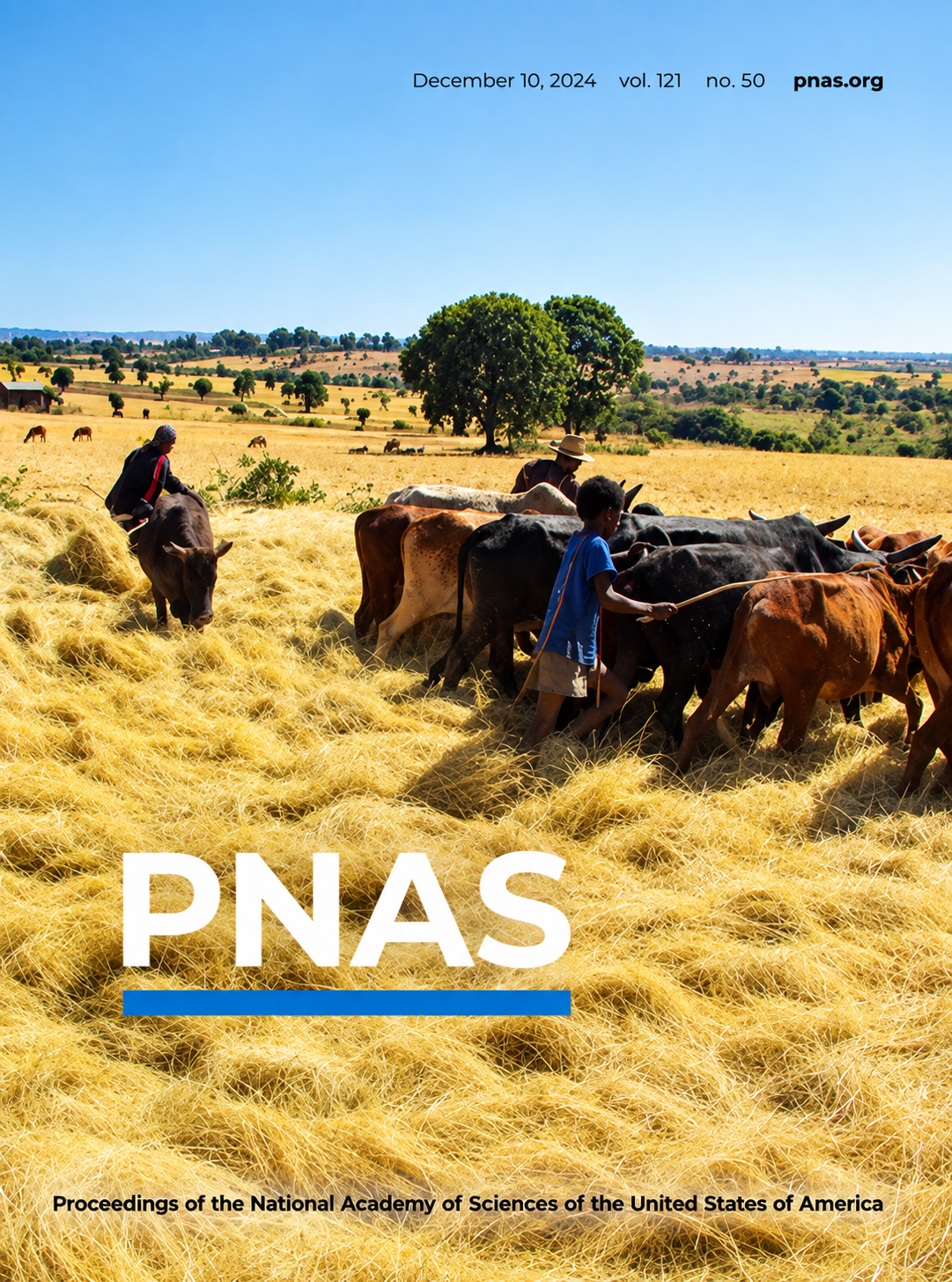
Warming temperatures can boost tree growth in northern boreal forests, but thawing permafrost may undermine those gains. Studying black spruce across a 650-kilometre gradient in the Northwest Territories, researchers found that unstable ground makes trees lean and redirect resources to stay upright, reducing radial growth. The findings suggest that continued permafrost thaw could limit forest growth and carbon uptake as the climate warms.
READ PAPER →
REFERENCE
Alfaro-Sánchez, R., Richardson, A.D., Smith, S.L., Johnstone, J.F., Turetsky, M.R., Cumming, S.G., Le Moine, J.M. & Baltzer, J.L. 2024. Permafrost instability negates the positive impact of warming temperatures on boreal radial growth. Proceedings of the National Academy of Sciences, 121(50), e2411721121.
PNAS
Permafrost instability negates the positive impact
of warming temperatures on boreal radial growth
RAQUEL ALFARO SÁNCHEZ
WATER
50 years of kelp forest change
ECOLOGICAL
APPLICATIONS
BRIAN TIMMER
+
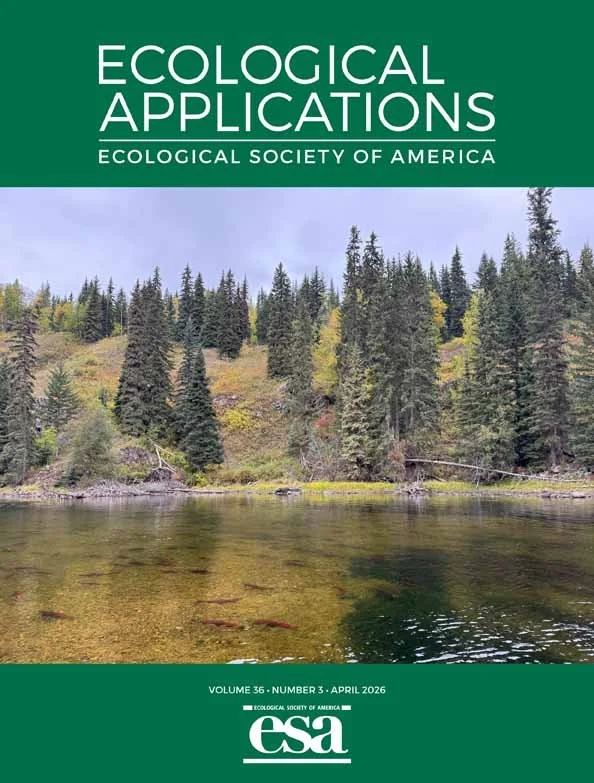
Historical surveys from 1972 reveal just how much the northern Salish Sea has changed. More than 550 hectares of bull kelp forest documented half a century ago are now gone, while other cold-water species have declined sharply. The research suggests that warming summer waters are reshaping the region’s kelp forest communities. READ PAPER →
REFERENCE
Timmer, B., Reshitnyk, L.Y., Neufeld, C.J. & Baum, J.K. 2026. Historical data reveal extirpation of foundation species and kelp forest community deborealization in a coastal hotspot. Ecological Applications, 36(3), e70223. DOI: 10.1002/eap.70223.
ECOLOGICAL APPLICATIONS
Historical data reveal extirpation of foundation species and kelp forest community deborealization in a coastal hotspot
BRIAN TIMMER
Mercury transport in the Yukon River
ENVIRONMENTAL SCIENCE & TECHNOLOGY LETTERS
KASIA STANISZEWSKA
+
Permafrost thaw was thought to be a major source of the Yukon River’s unusually high mercury levels. But sampling across the Canadian portion of the watershed revealed a different summer source: glacier-fed tributaries carried high concentrations of mercury associated with sediments eroded from the landscape. The findings show how glaciers can influence the movement of naturally occurring mercury through northern watersheds. READ PAPER →
REFERENCE
Staniszewska, K.J., Palma, D., El Abbadi, S.H., Sundstrom, E.R., Criddle, C.S. & McCarty, P.L. 2023. Biological methane removal from wastewater treatment plant effluent using a membrane biofilm reactor. Environmental Science & Technology Letters, 10(10), 895–900. DOI: 10.1021/acs.estlett.3c00427.
ENVIRONMENTAL SCIENCE & TECHNOLOGY LETTERS
Glacial Erosion Drives High Summer
Mercury Exports from the Yukon River, Canada
KASIA STANISZEWSKA
New observations of lake whitefish spawning behaviour
JOURNAL OF
GREAT LAKES RESEARCH
YVONNE DREBERT
+
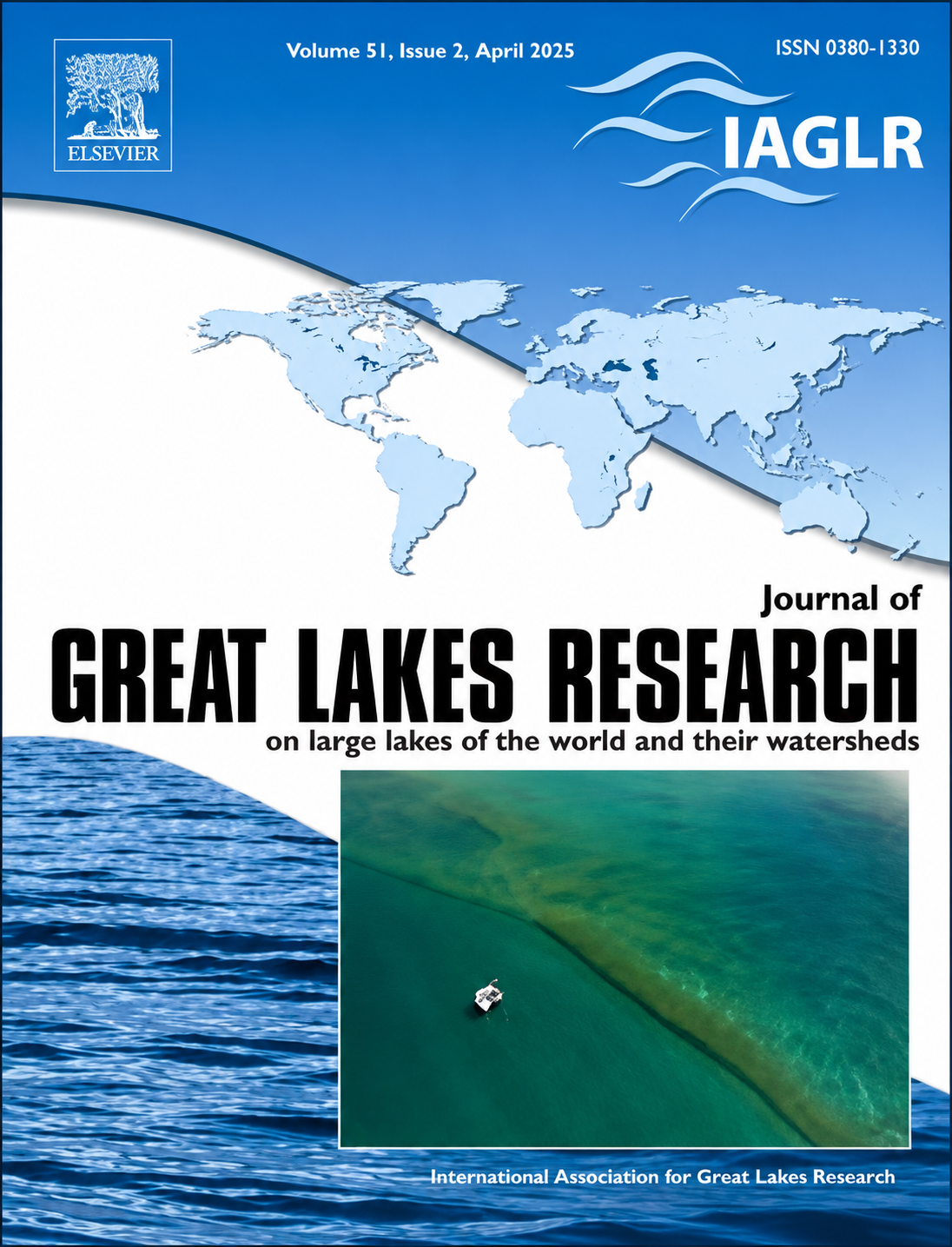
Underwater observations in Lake Michigan captured previously undocumented spawning behaviour in lake whitefish. The researchers observed males pursuing females, close interactions between spawning fish, and what may be the first recorded evidence of male courtship behaviour in the species. The findings offer new insight into how lake whitefish reproduce in the wild and could help inform future research and conservation. READ PAPER →
REFERENCE
Muir, A.M., Drebert, Y., Lauzon, R., Melnick, Z., Ryther, C.M., Dunlop, E.S. & Skubik, K. 2025. A new observation of lake whitefish Coregonus clupeaformis spawning behaviour. Journal of Great Lakes Research, 51(2), 102399. DOI: 10.1016/j.jglr.2024.102399.
JOURNAL OF GREAT LAKES RESEARCH
A new observation of lake whitefish
Coregonus clupeaformis spawning behaviour
YVONNE DREBERT
Long-term retreat of Milne Glacier
2 PUBLICATIONS
ANNA CRAWFORD
+
Nearly six decades of observations show the Milne Glacier grounding line retreating steadily inland. Satellite, airborne and ground-based radar data indicate a retreat of approximately three kilometres between 1966 and 2023, with the greatest change on its western side. The glacier’s underlying topography may leave it vulnerable to further retreat as the High Arctic continues to warm. READ PAPER →
REFERENCE
Antropova, Y.K., Mueller, D., Samsonov, S.V., Komarov, A.S., Bonneau, J. & Crawford, A.J. 2024. Grounding-line retreat of Milne Glacier, Ellesmere Island, Canada over 1966–2023 from satellite, airborne, and ground radar data. Remote Sensing of Environment, 315, 114478.
REMOTE SENSING OF ENVIRONMENT
Grounding-line retreat of Milne Glacier, Ellesmere Island, over 1966–2023 from satellite, airborne, and ground radar data
TEAM OF RESEARCHERS
When the Milne Ice Shelf broke apart in 2020, Canada's last epishelf lake began draining into the Arctic Ocean. Drawing on a decade of ocean measurements, satellite imagery and field observations, researchers documented the resulting shift from a rare freshwater ecosystem to a marine system. The loss shows how even the Last Ice Area, where Arctic sea ice is expected to persist longest, is vulnerable to a warming climate. READ PAPER →
REFERENCE
Bonneau, J., Hamilton, A.K., Mueller, D., Laval, B.E., Forrest, A.L., Crawford, A.J., Antropova, Y.K., Shoapik, J., Pijamini, S. & Vincent, W.F. 2026. Regime shift in high arctic fjord signals the vulnerability of the Arctic’s Last Ice Area. Scientific Reports. DOI: 10.1038/s41598-026-68201-6.
SCIENTIFIC REPORTS
Regime shift in high Arctic fjord signals
the vulnerability of the Arctic’s Last Ice Area
TEAM OF RESEARCHERS

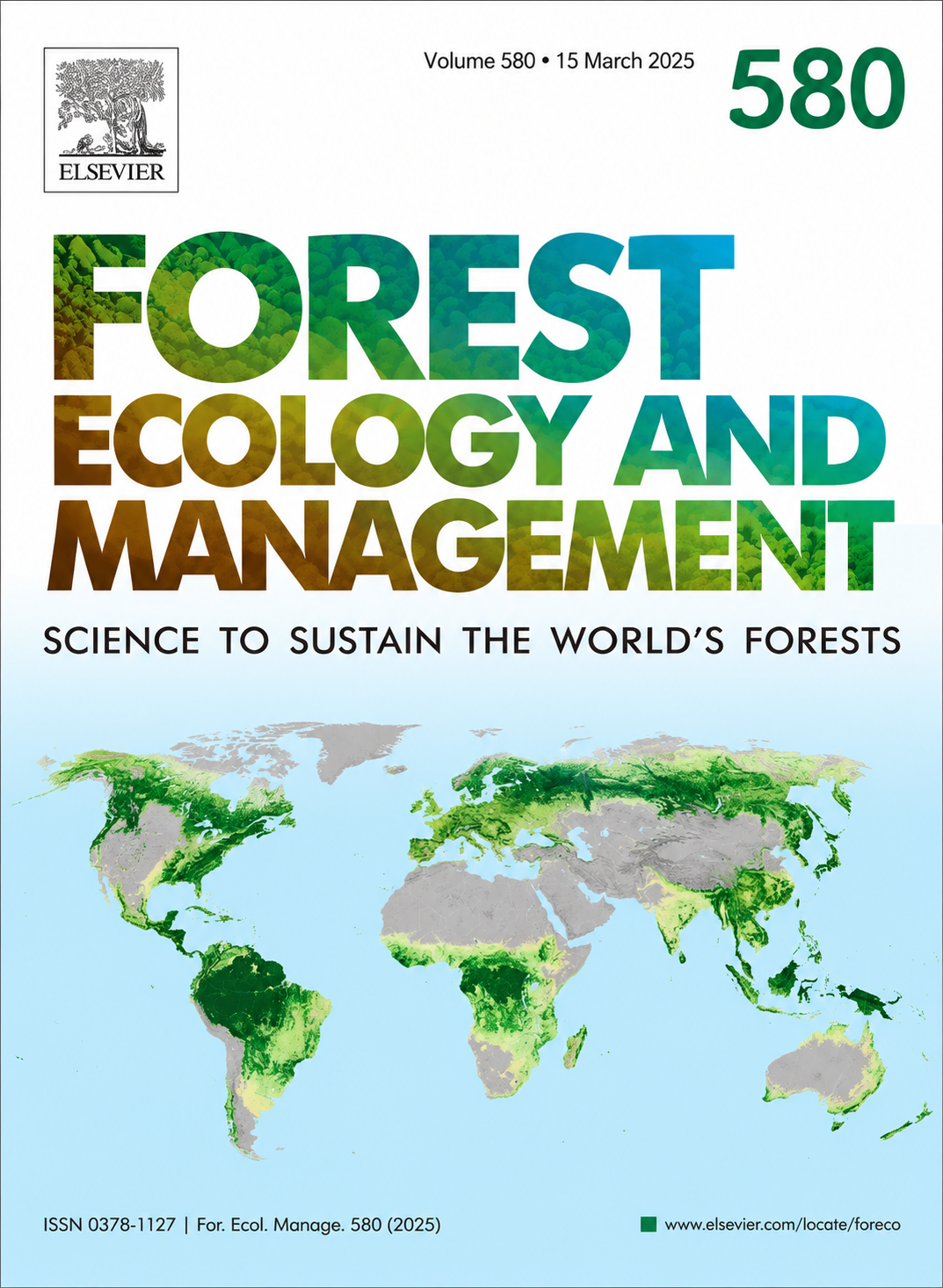
Forestry impacts on freshwater ecosystems
FOREST ECOLOGY
AND MANAGEMENT
DALAL HANNA
+
Decades of research have examined how timber harvesting affects streams, but important gaps remain. A review of 638 studies found that most focused on water quality rather than aquatic life, lasted five years or less and often overlooked harvesting at the watershed scale. The evidence points to the need for longer-term research to better understand how freshwater ecosystems respond to forestry. READ PAPER →
REFERENCE
Hanna, D.E.L., Harper, M., Giroux-Bougard, X., Richardson, J.S., Rytwinski, T., Bachhuber, A., Hudgins, E.J., Karimi, S., Schuster, R., Binley, A.D., Reedman, R., Vincent, J.G. & Bennett, J.R. 2025. An evidence map of research assessing the effects of timber harvesting on water quality, biotic and biodiversity indicators in running waters. Forest Ecology and Management, 580, 122425. DOI: 10.1016/j.foreco.2024.122425.
FOREST ECOLOGY AND MANAGEMENT
An evidence map of research assessing the effects of timber harvesting on water quality, biotic and biodiversity indicators in running waters
DALAL HANNA
WILDLIFE
Pacific salmon and cumulative injustices
NATURE REVIEWS BIODIVERSITY
SARA CANNON
+
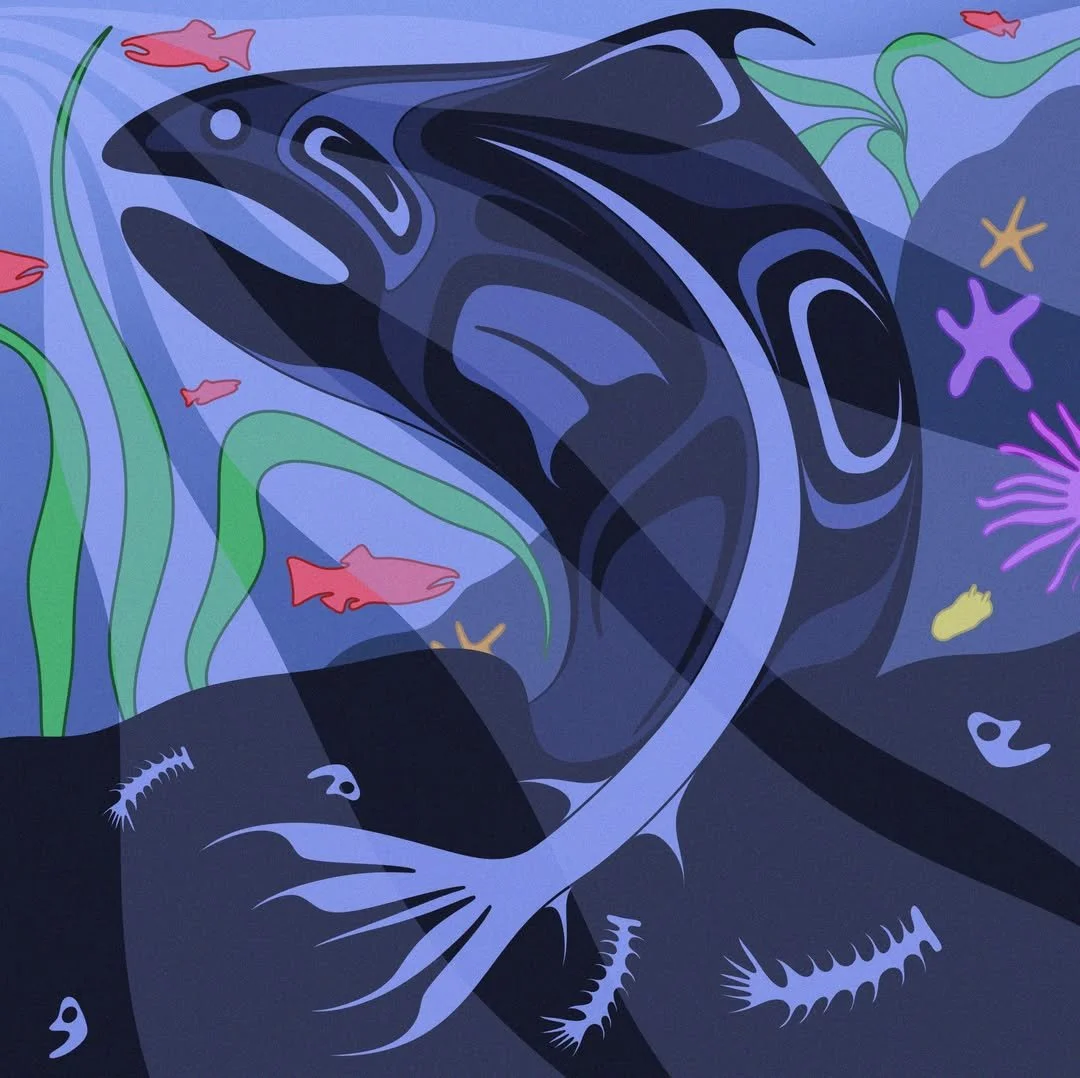
The pressures facing Pacific salmon extend beyond habitat loss and declining populations. This review traces how ecological change and a history of colonial policies have created inequities that compound over time, affecting both salmon and Indigenous Peoples whose cultures, rights and responsibilities are tied to them. The authors argue that recovery requires addressing these interconnected injustices alongside the ecological threats facing salmon. READ PAPER →
REFERENCE
Cannon, S.E., Connoy, J.W.H., Esquible, J., Ignace, L., Moore, J.W., Sainsbury, N.C. & Reid, A.J. 2026. Pacific salmon and cumulative injustices in Canada and the USA. Nature Reviews Biodiversity, 2(6), 370–387. DOI: 10.1038/s44358-026-00153-1. Nature
art credit: http://movement74.ca
NATURE REVIEWS BIODIVERSITY
Pacific salmon and cumulative injustices
in Canada and the USA
SARA CANNON
Environmental RNA as a measure of heat stress
2 PUBLICATIONS
ROBERT MASAKI HECHLER
−
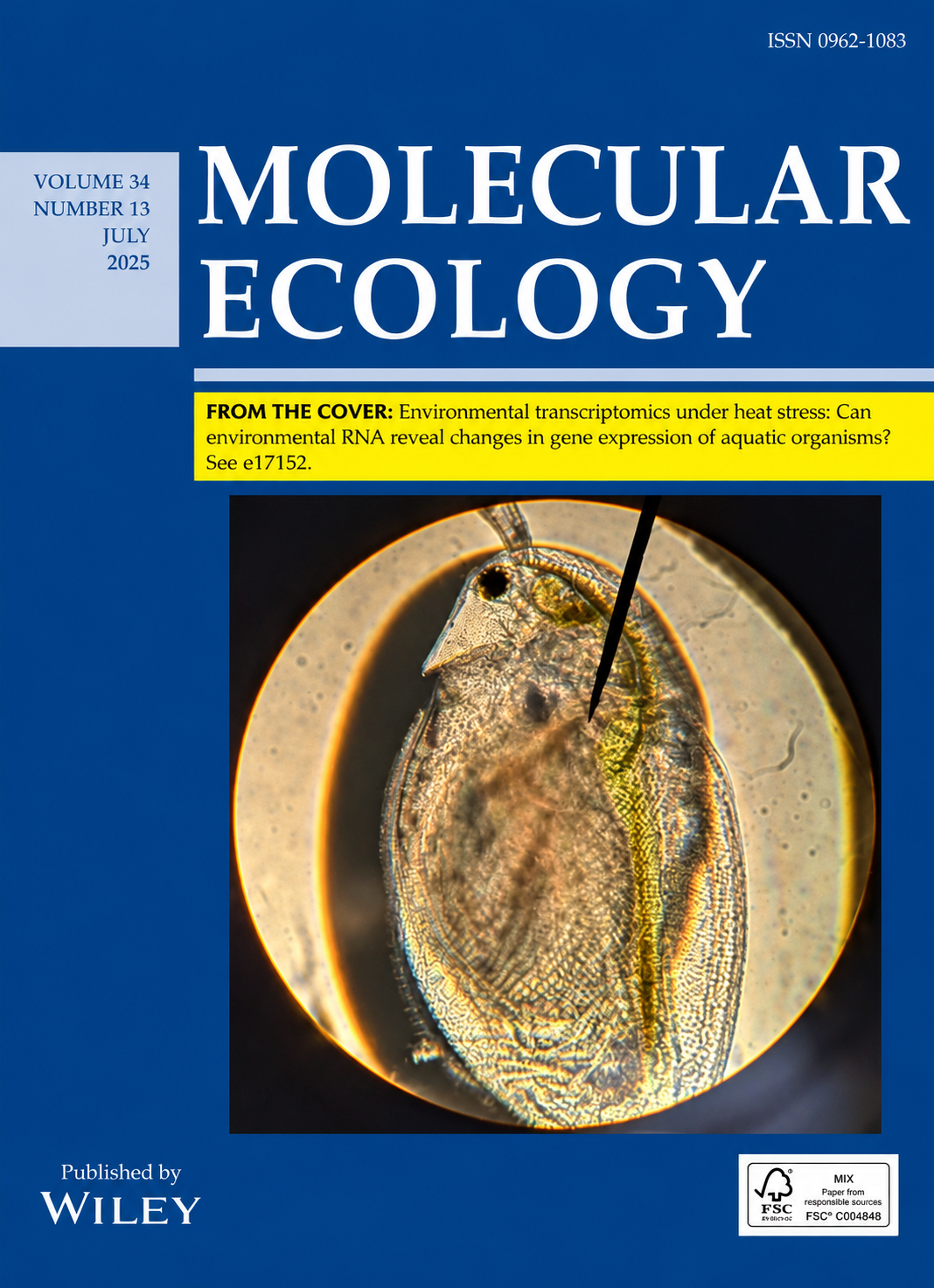
A water sample can reveal which species are present through environmental DNA. Could it also show how those organisms respond to stress? Experiments using environmental RNA detected changes in gene expression as aquatic communities were exposed to increasing temperatures, pointing to a potential new way to monitor ecosystem health without capturing or sacrificing animals. READ PAPER →
REFERENCE
Hechler, R.M., Yates, M.C., Chain, F.J.J. & Cristescu, M.E. 2025. Environmental transcriptomics under heat stress: Can environmental RNA reveal changes in gene expression of aquatic organisms? Molecular Ecology, 34(13), e17152. DOI: 10.1111/mec.17152.
MOLECULAR ECOLOGY
Environmental transcriptomics under heat stress:
Can environmental RNA reveal changes in gene expression of aquatic organisms?
ROBERT MASAKI HECHLER
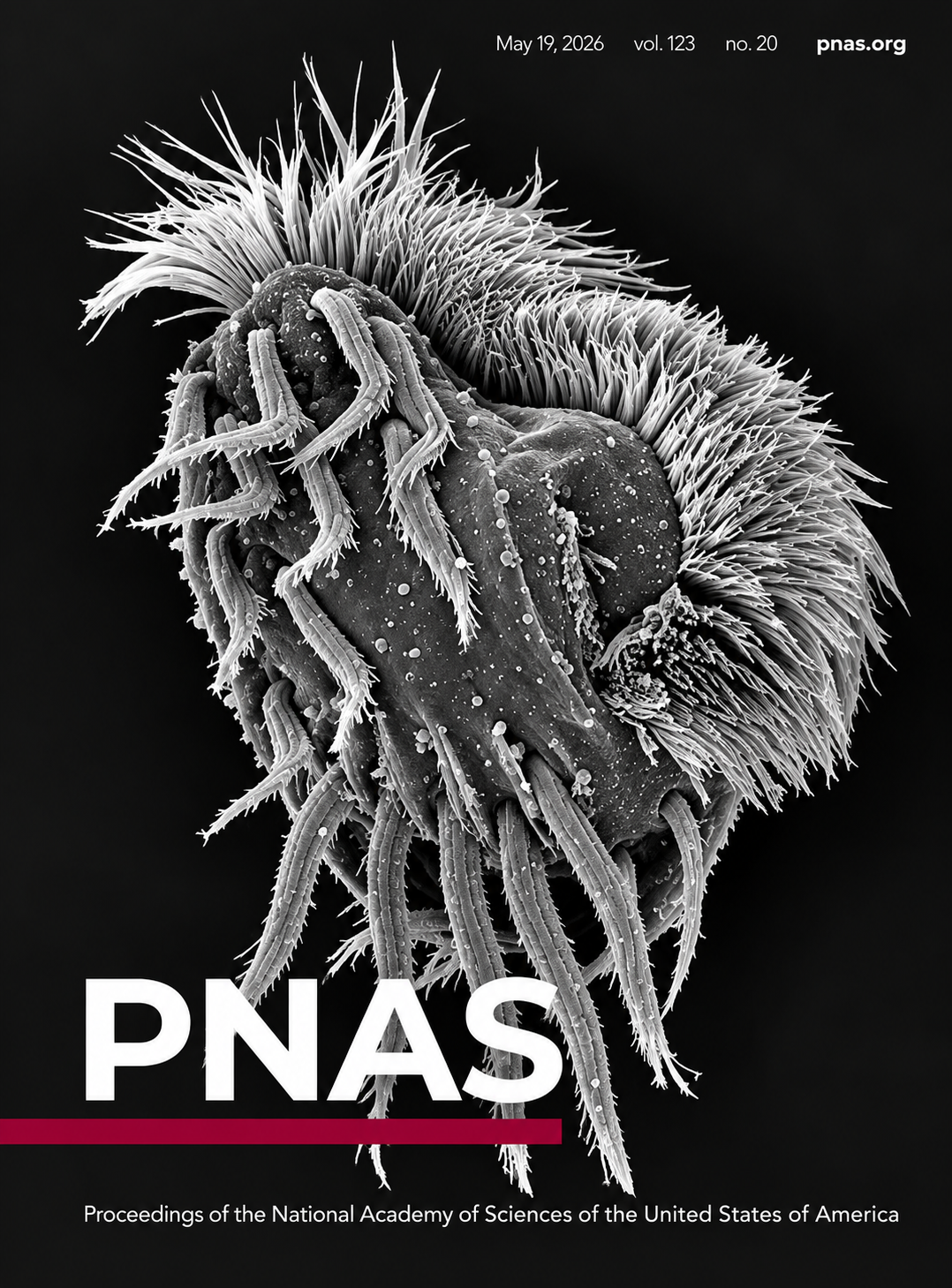
Sockeye salmon populations can fluctuate dramatically from year to year, yet together they can create a much more stable system. Analyzing 27 populations from Bristol Bay and the Fraser River over six decades, researchers found that local populations followed different, often unstable cycles. Because those fluctuations were out of sync, combining populations reduced year-to-year variability at the regional scale, revealing how biological diversity can help stabilize ecosystems. READ PAPER →
REFERENCE
Hechler, R.M. & Krkošek, M. 2026. Ecological stability through nonlinear fluctuations and the portfolio effect. Proceedings of the National Academy of Sciences, 123(20), e2535296123. DOI: 10.1073/pnas.2535296123
PNAS
Ecological stability through nonlinear
fluctuations and the portfolio effect
ROBERT MASAKI HECHLER
Heat stress and artificial bat roosts
2 PUBLICATIONS
ZENON CZENZE
+
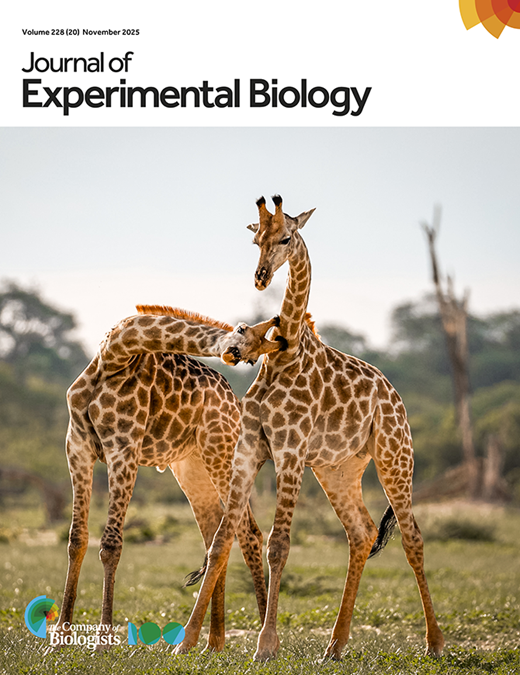
Big brown bats sheltering in artificial roosts can face dangerous water loss during extreme heat. Physiological measurements from bats near Lillooet were combined with roost temperatures to model dehydration risk during heatwaves. The results showed that some artificial roosts could push bats beyond lethal dehydration thresholds, underscoring the importance of roost design and placement as temperatures rise. READ PAPER →
REFERENCE
de Mel, R.K., Baloun, D.E., Freeman, M.T., Probert, A.F., Cangemi, T.B., Watters, T.K., Lausen, C.L., Kearney, M.R., Brigham, R.M. & Czenze, Z.J. 2025. Using physiology to unravel the implications of heatwaves for big brown bats (Eptesicus fuscus). Journal of Experimental Biology, 228(20), jeb251228.
JOURNAL OF EXPERIMENTAL BIOLOGY
Using physiology to unravel the implications of
heatwaves for big brown bats (Eptesicus fuscus)
TEAM OF RESEARCHERS
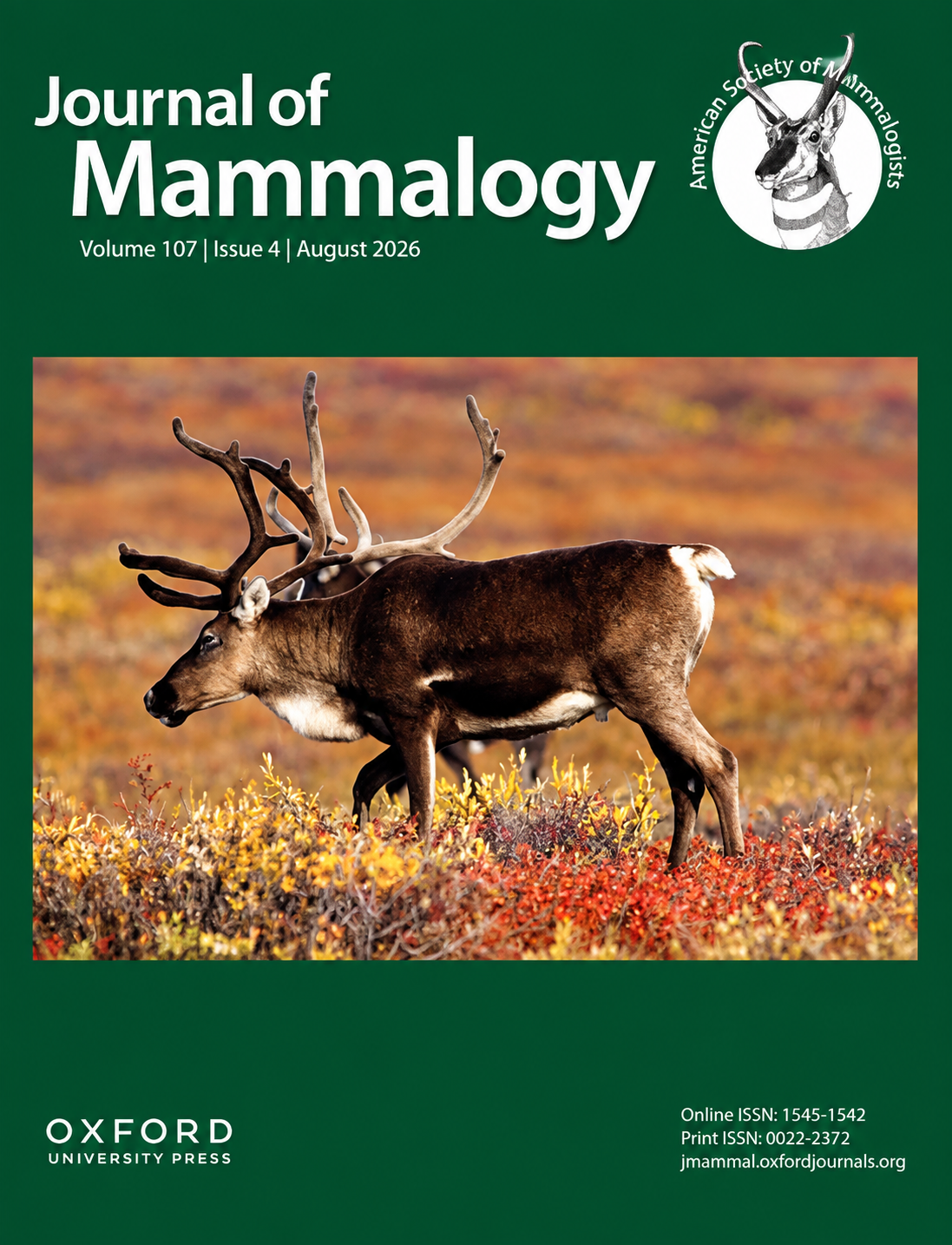
Female Yuma myotis use a thermoconforming strategy, where they allow their body temperatures to increase while conserving body water reserves, when experiencing high temperatures. These bats readily use artificial roosts but some of these can become too hot during heatwaves, putting the bats at risk of dehydration. The research underscores the need to protect natural habitats such as hollow-bearing trees while advocating for artificial roosts with an internal temperature gradient so that the bats inside can move to a cooler part when temperatures increase. READ PAPER →
REFERENCE
de Mel, R.K., Brigham, R.M., Baloun, D.E., Lausen, C.L., Cangemi, T.B., Watters, T.K., Gandy, B.R.W., Freeman, M.T., Probert, A.F. & Czenze, Z.J. 2026. Heat tolerance of female Yuma Myotis (Myotis yumanensis) in the hottest part of their Canadian range. Journal of Mammalogy, gyag070.
JOURNAL OF MAMMALOGY
Heat tolerance of female Yuma Myotis (Myotis yumanensis) in the hottest part of their Canadian range
TEAM OF RESEARCHERS
Killer whale prey-sharing behaviour
MARINE MAMMAL
SCIENCE
VALERIA VERGARA
+
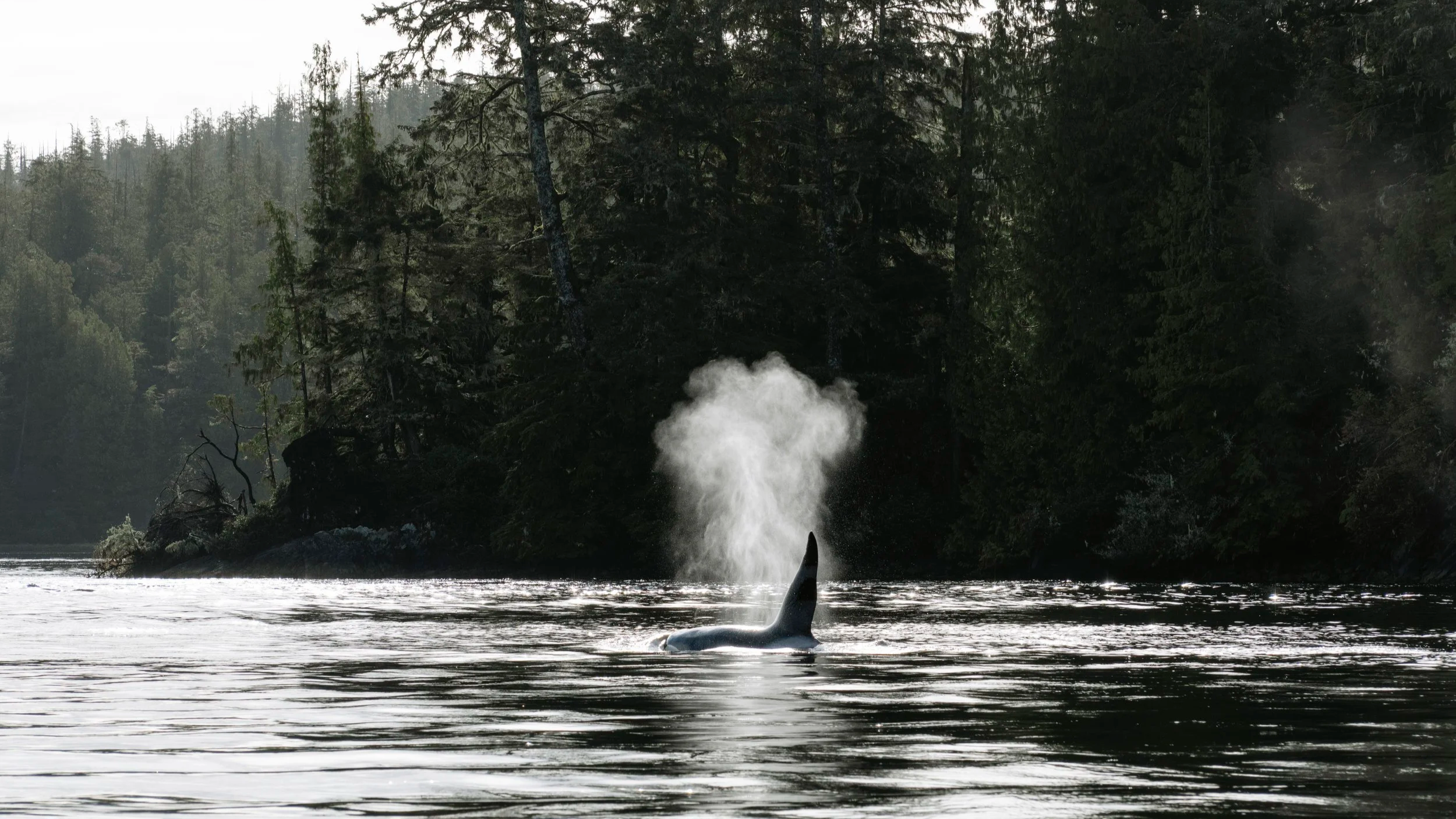
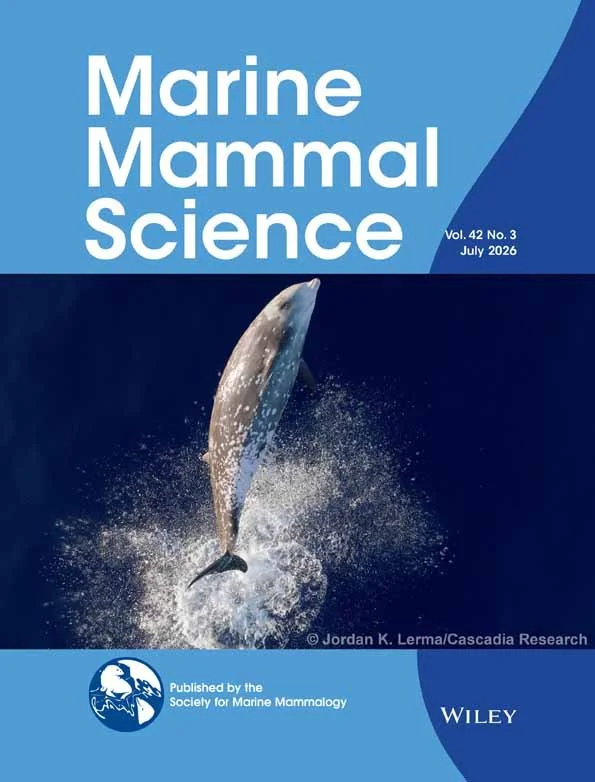
Some of the social lives of killer whales unfold too subtly to see from a boat. A decade of drone imagery revealed prey sharing among both Northern and Southern Resident killer whales, with adult females playing a central role. Northern Residents appeared to share more often and in larger portions, offering new insight into how food moves through these closely related whale societies.
READ PAPER →
REFERENCE
Kay, S.W.C., Barrett-Lennard, L.G., Visona-Kelly, B.C., Mikus, M.A., Weiss, M.N., Croft, D.P., Vergara, V., Fearnbach, H., Durban, J.W. & Darimont, C.T. 2026. Using drone-derived imagery to describe prey sharing behaviors in two piscivorous resident killer whale populations. Marine Mammal Science, 42(3), e70215. DOI: 10.1111/mms.70215. Wiley Online Library
MARINE MAMMAL SCIENCE
Using Drone-Derived Imagery to Describe Prey Sharing Behaviours in Two Piscivorous Resident Killer Whale Populations
VALERIA VERGARA
HISTORY & CULTURE
Cretaceous life in the Sustut Basin
2 PUBLICATIONS
VICTORIA ARBOUR
+
A partial skeleton discovered decades ago in northern British Columbia turned out to represent a dinosaur new to science. Victoria Arbour and David Evans identified Ferrisaurus sustutensis, a small horned dinosaur that lived near the end of the Cretaceous Period. The discovery highlighted the Sustut Basin's scientific potential, where Trebek-supported expeditions are now uncovering a richer record of ancient life. READ PAPER →
REFERENCE
Arbour, V.M. & Evans, D.C. 2019. A new leptoceratopsid dinosaur from Maastrichtian-aged deposits of the Sustut Basin, northern British Columbia, Canada. PeerJ, 7, e7926. DOI: 10.7717/peerj.7926.
PEERJ
A new leptoceratopsid dinosaur from Maastrichtian-aged deposits of the Sustut Basin, northern British Columbia, Canada
VICTORIA ARBOUR

Northern British Columbia’s Sustut Basin preserves a Cretaceous fossil record that had been poorly understood. New vertebrate and plant fossils helped establish the age and geological context of the region’s dinosaur-bearing rocks, revealing a more diverse ancient ecosystem. The research provided an important foundation for the Trebek-supported expeditions now documenting new fossil sites in the basin.
READ PAPER →
REFERENCE
Arbour, V.M., Evans, D.C., Simon, D.J., Cullen, T.M. & Braman, D. 2020. Cretaceous flora and fauna of the Sustut Group near the Sustut River, northern British Columbia, Canada. Canadian Journal of Earth Sciences, 57(6), 671–680. DOI: 10.1139/cjes-2019-0031. NC Museum of Natural Sciences
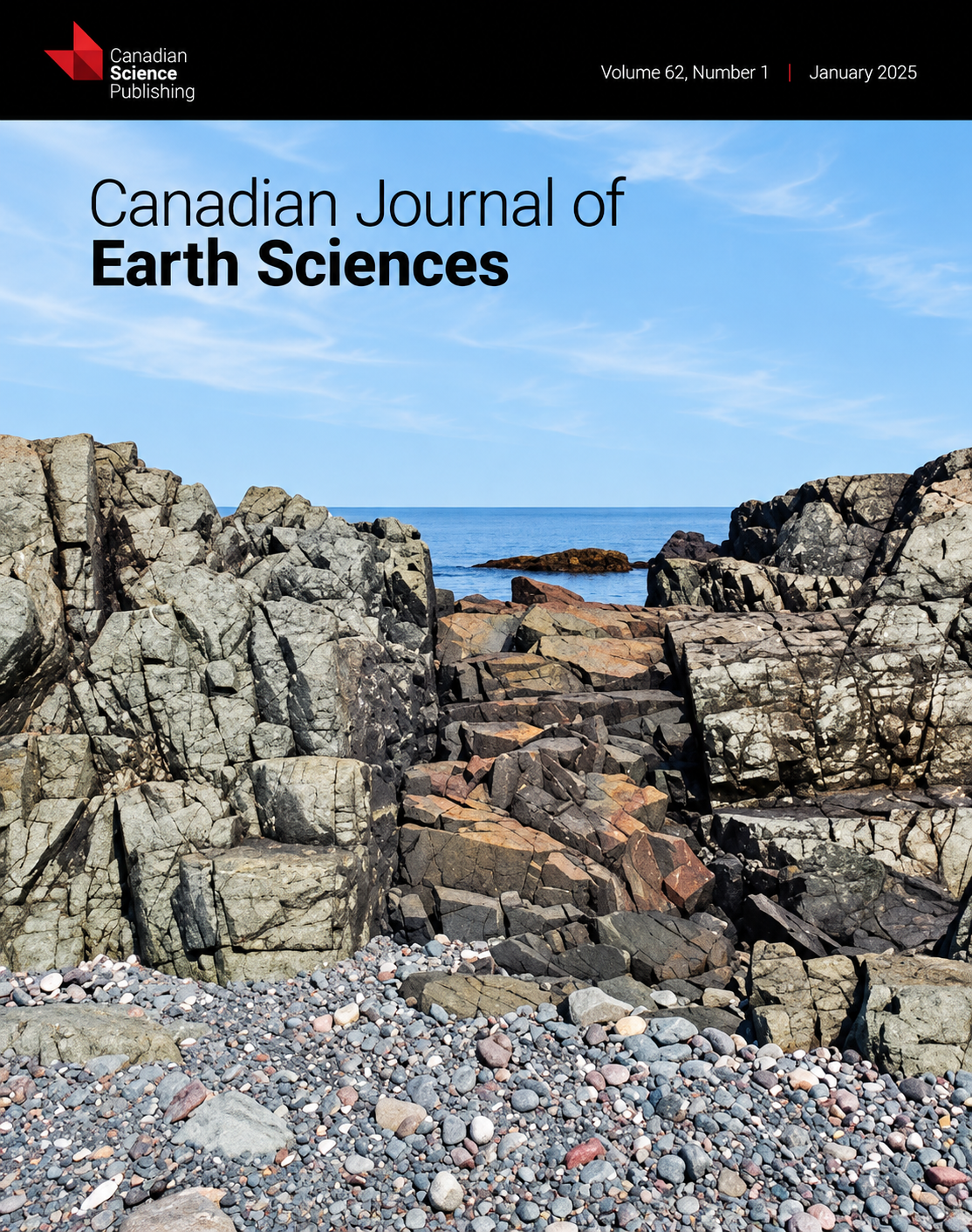
CANADIAN JOURNAL OF EARTH SCIENCES
Cretaceous flora and fauna of the Sustut Group near the Sustut River, northern British Columbia, Canada
VICTORIA ARBOUR