FOCUS AREA
WILDLIFE
COMPLETED PROJECTS
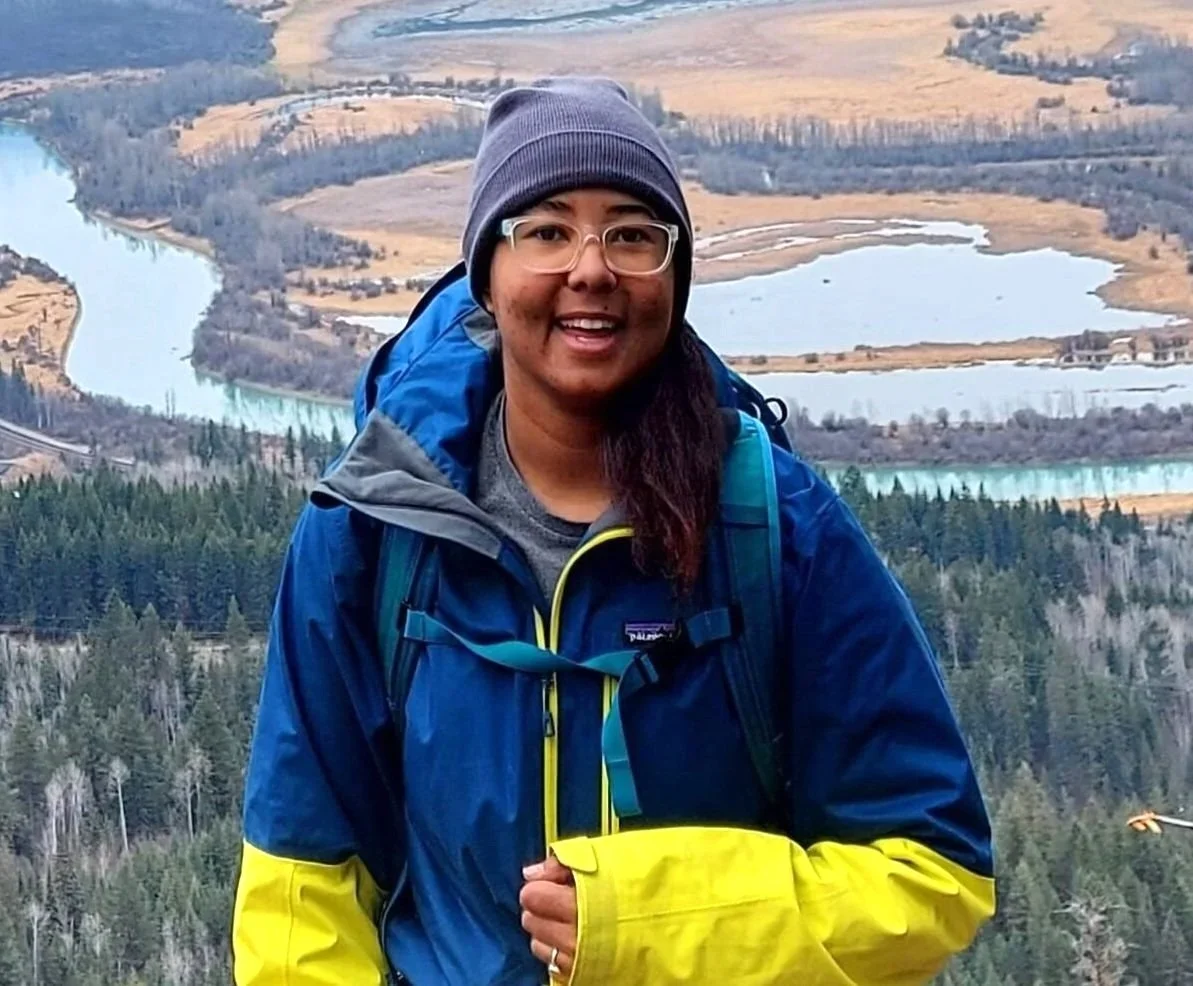
Comparing Historic And Current Cervid Population Estimates
Rhiannon Kirton • Shuswap Nation Territory, British Columbia • 2021
Deer, elk and moose are culturally important to First Nations in Shuswap Nation territory, but gaps in historical monitoring have limited understanding of how their populations are changing.
Working alongside the Shuswap Band, Rhiannon Kirton deployed 100 trail cameras across two study areas, capturing nearly 100,000 images and establishing a new baseline for future elk monitoring and management.
-
Elk captured by trail cameras showed signs of poor body condition, suggesting nutrition may be limiting populations.
Historical records suggest elk abundance in the region has declined over time, although limited density data made a direct comparison between past and present populations impossible.
Past management decisions intentionally reduced elk populations in response to competing stakeholder interests, alongside other potential pressures on their recovery.
-
Created a long-term wildlife dataset to support future monitoring and management.
Trained Shuswap Guardians to use WildTrax and tag camera-trap images for future wildlife monitoring.
Compiled findings and management recommendations in an 80-page report for the Shuswap Band.
Incorporated project knowledge into the draft regional elk management plan the Government of British Columbia is developing.
Findings on elk condition and nutrition helped spark a collaboration with the Columbia Mountains Institute and a 2025 symposium on East Kootenay grasslands and rangelands.
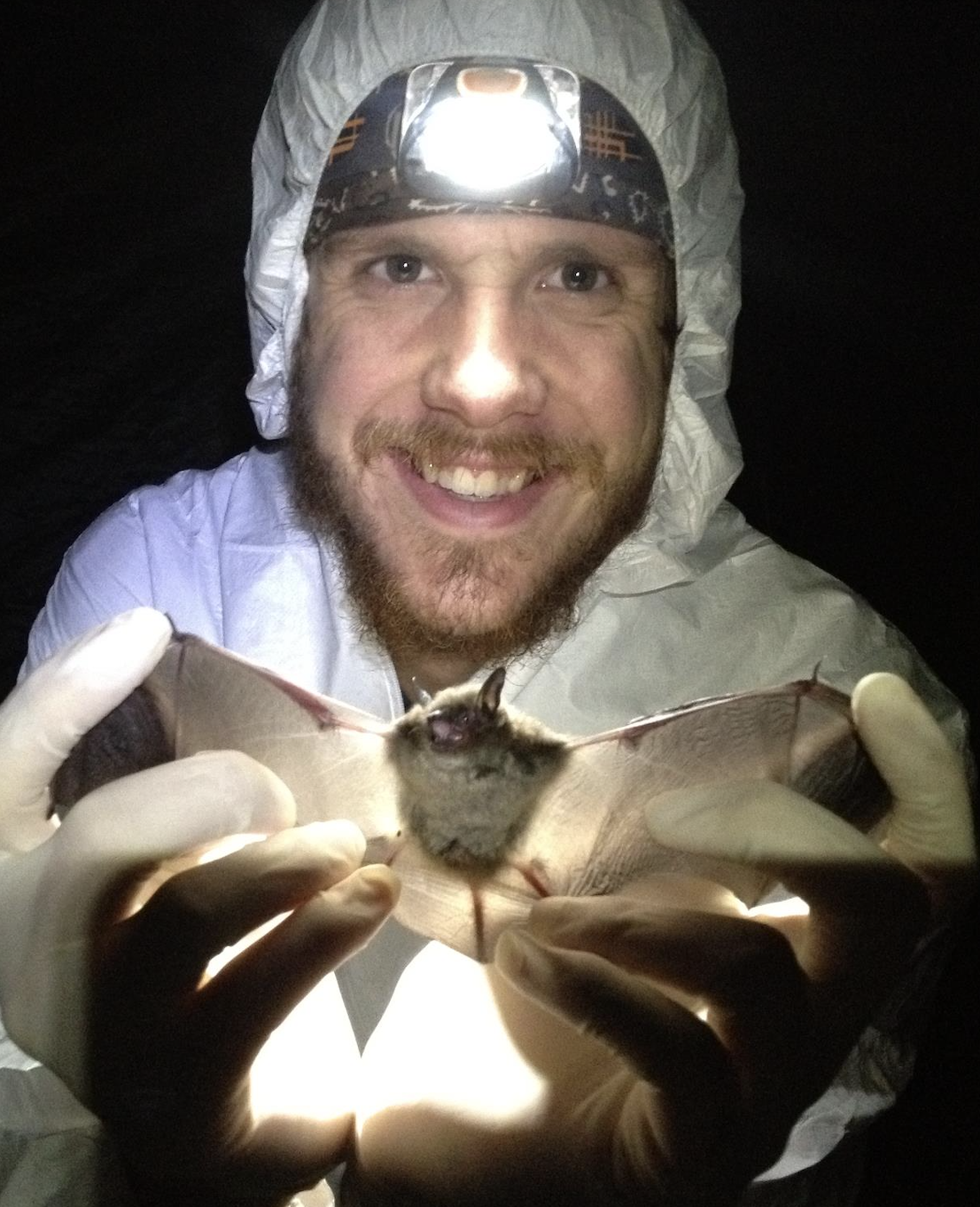
Direct Effects of Global Heating and Heat Waves on Temperate Zone Bats
Zenon Czenze • British Columbia • 2022
Extreme heat is creating new survival challenges for bats in British Columbia.
Around Lillooet, one of the province’s hottest regions, Zenon Czenze and his team studied how bats cope with rising temperatures and what happens when their roosts become dangerously hot. Published in the Journal of Experimental Biology and Journal of Mammalogy, his research revealed the risks of overheating bat boxes and how better design and placement can reduce them.
-
Female big brown bats conserved water at higher temperatures than males, delaying active cooling until approximately 38.1°C compared with 35.3°C for males.
Female Yuma myotis (Myotis yumanensis) can tolerate 44 °C.
Given their smaller body weights, Yuma myotis allow their body temperatures to increase undefended while only using minimal amounts of water to cool themselves, thereby conserving body water reserves.
The research alludes to Yuma myotis using artificial structures that have temperature gradients within them to be able to move to cooler parts when the temperature increases.
Some standard bat boxes became dangerously hot during extreme heat, potentially forcing bats to lose more than 20 percent of their body weight in water to stay cool.
Shade, lighter finishes and insulation helped keep bat boxes cooler during extreme heat.
Old trees and snags provided safer roosts than artificial bat boxes.
-
The research identified practical ways to make bat boxes safer during extreme heat, from providing shade to using lighter finishes and insulation.
The work identified that artificial structures with varying internal temperatures could help minimize the threat of overheating for Yuma myotis
Findings are helping shape recommendations for bat habitat as temperatures rise, while reinforcing the importance of retaining old trees and snags.
The work resulted in multiple publications in the Journal of Experimental Biology and the Journal of Mammalogy.
Early-career researcher Ruvinda de Mel was featured in the Journal of Experimental Biology ECR Spotlight.
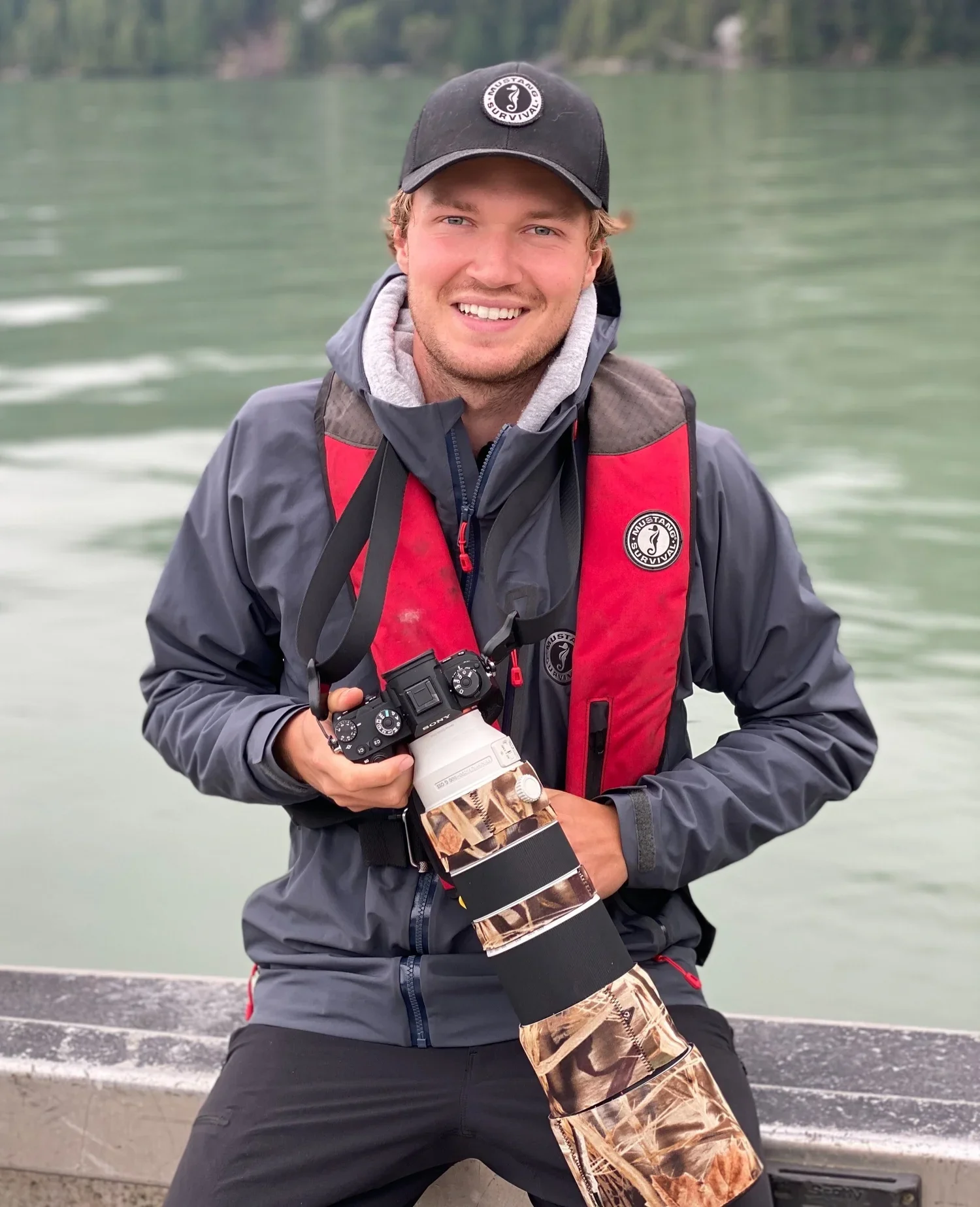
Ryan Tidman • British Columbia • 2022
On Vancouver Island, black bears rely on massive hollow old-growth trees for winter shelter, but many of these ancient forests are disappearing.
Over three years, Ryan Tidman and bear biologist Helen Davis followed bears and their dens through photography, video, and remote cameras. His visual story, Stolen Slumber, reveals a lesser-known consequence of old-growth logging: the loss of the trees bears depend on during the island’s wet coastal winters.
The Impacts Of Old-Growth Logging On Vancouver Island Black Bears
-
Large, hollow old-growth trees provide critical winter denning habitat for Vancouver Island black bears.
Logging old-growth forests removes the large tree cavities bears depend on for shelter during the island’s wet coastal winters.
-
Created Stolen Slumber, a three-year visual story documenting how Vancouver Island black bears rely on old-growth trees for winter dens.
Photography and video from the project support Helen Davis’s work with land managers, conservation groups, and forestry professionals, including outreach presentations and bear-den identification workshops.
The project reached wider audiences through a Canadian Geographic podcast and Can Geo Talk.
Project photography was featured in the September 2026 issue of National Geographic.
Showcasing Wildlife Corridors In The Northeast
Kateri Monticone • Ontario, Quebec, Nova Scotia, New Brunswick • 2022
Roads, development and other barriers are breaking wildlife habitat into smaller, disconnected pieces.
For the six-part documentary series CORRIDORS, Kateri Monticone travelled across eastern Canada to document efforts to reconnect these landscapes. Created with the Nature Conservancy of Canada, the films show how communities and conservation groups are rebuilding pathways that help wildlife move between habitats and adapt to climate change.
-
Habitat fragmentation can cut wildlife off from the food, shelter and other resources they need to survive.
Ecological corridors reconnect fragmented habitats, giving wildlife room to move as their needs and ranges change.
Road crossings, fencing and other measures can reconnect habitat while reducing the risks roads pose to wildlife. One crossing documented in the series significantly reduced turtle mortality in Quebec’s Breckenridge ecological corridor.
Successful corridors depend on cooperation among landowners, First Nations, conservation groups, governments, and others who share the landscape.
-
Created six short films documenting wildlife-corridor initiatives and the people working to reconnect fragmented habitats across eastern Canada.
The project reached a wider audience through Corridors: les voies de la nature, a 51-minute documentary released by Savoir média in 2024.
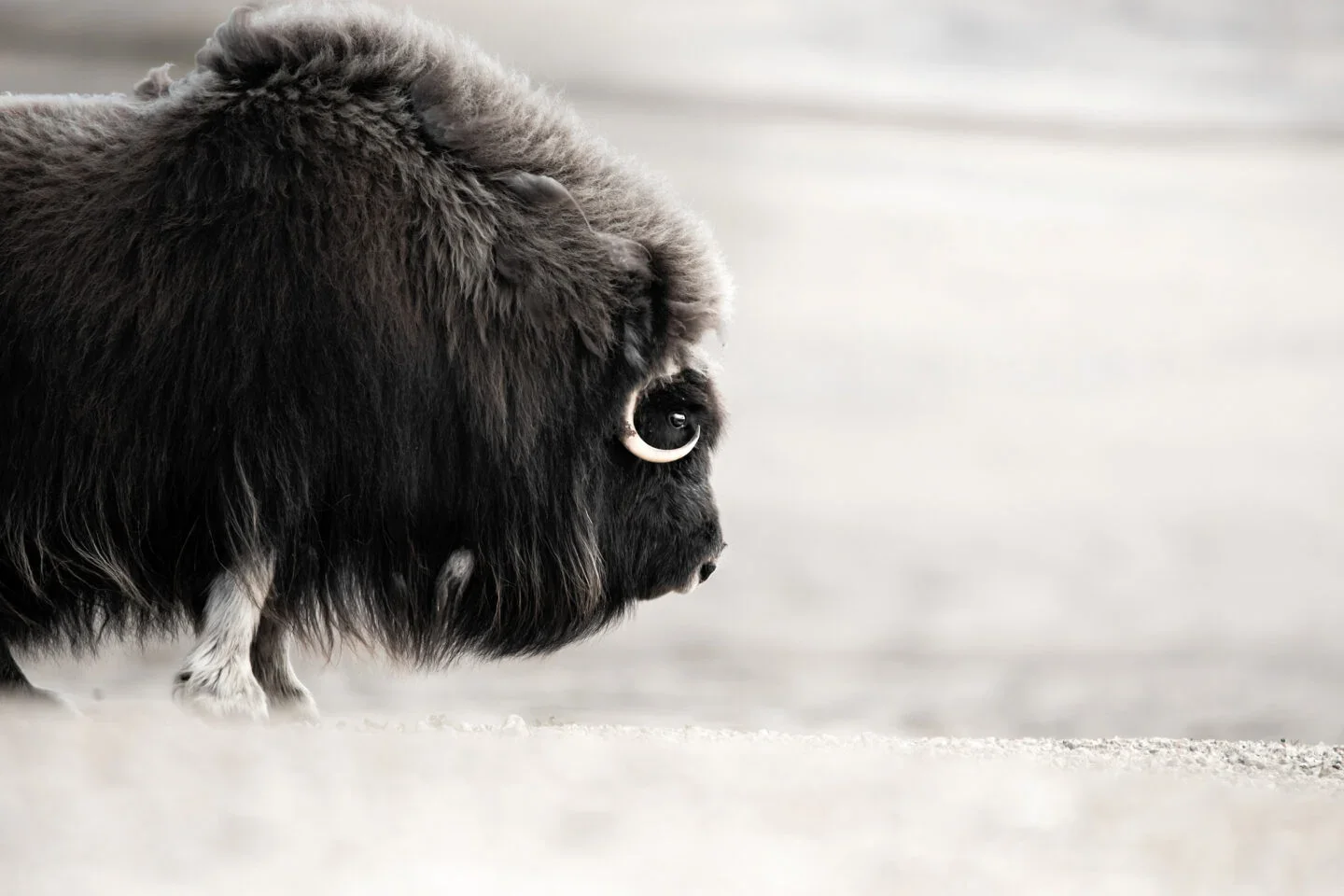
Combatting Trace Element Deficiencies in Muskoxen in a Changing Arctic
Susan Kutz • Nunavut • 2023
Muskoxen are vital to Arctic ecosystems and northern communities, but some populations are declining.
On Somerset and Victoria Islands, Susan Kutz and her team studied muskox hair, plants and soils for clues to animal health. Their research tested whether trace minerals such as selenium and copper could reveal population changes before traditional surveys can.
-
Muskoxen on Somerset Island had lower selenium and copper levels than populations that were stable or increasing, with selenium levels lower than in any other muskox population the team tested.
Across 11 North American muskox populations, seven trace and macro elements distinguished increasing populations from those that were stable or declining.
Copper, selenium and iron levels provided measurable benchmarks associated with muskox population trends.
Muskox hair can provide a practical, non-invasive way to track nutritional status and help identify changes in population health.
-
Established baseline information on the trace-element status of muskoxen on Somerset Island and piloted two methods for providing mineral supplements to wild muskoxen.
Helped establish hair analysis as a non-invasive tool to complement costly, irregular population surveys.
The research contributed to a 2025 Ecology and Evolution study linking trace elements in muskox hair with population trends.
The team shared results with northern communities, wildlife co-management organizations, and decision-makers.
The project also trained an Inuit youth and an Inuit harvester in plant and canopy-cover sampling on Victoria Island.
Beneath The Ice: A First Look At The Endangered St. Lawrence Beluga Whales In Their Winter Habitat
Camille Martel • St. Lawrence River • 2023
Winter remains one of the least understood chapters in the lives of St. Lawrence belugas.
Filmmaker Camille Martel led the first expedition dedicated to filming this endangered population in its winter habitat. Her 30-minute documentary, Beneath the Ice, follows the search to understand where belugas go in winter and why this little-known season may matter to their recovery.
-
Winter remains a major gap in scientists’ understanding of where St. Lawrence belugas go and how they use the river.
Some belugas remain in the St. Lawrence Estuary throughout winter, including in areas not previously considered part of their winter habitat.
Underwater microphones can reveal the presence of belugas when ice, weather and limited visibility make the whales difficult to observe.
Winter fieldwork revealed how shifting ice, severe weather and the whales’ movements constrain where and when researchers can safely study them.
-
Produced Beneath the Ice, a 30-minute documentary that aired nationally on Radio-Canada in January 2026 and was released online and on YouTube.
Footage and images from the expedition were shared with scientists, contributing to ongoing research and discussion about beluga winter habitat.
The first winter filming expedition helped demonstrate what is possible in challenging winter conditions and encouraged scientists to consider extending research beyond the summer season.
-
Where Do Belugas Go in the Winter? — Full Documentary
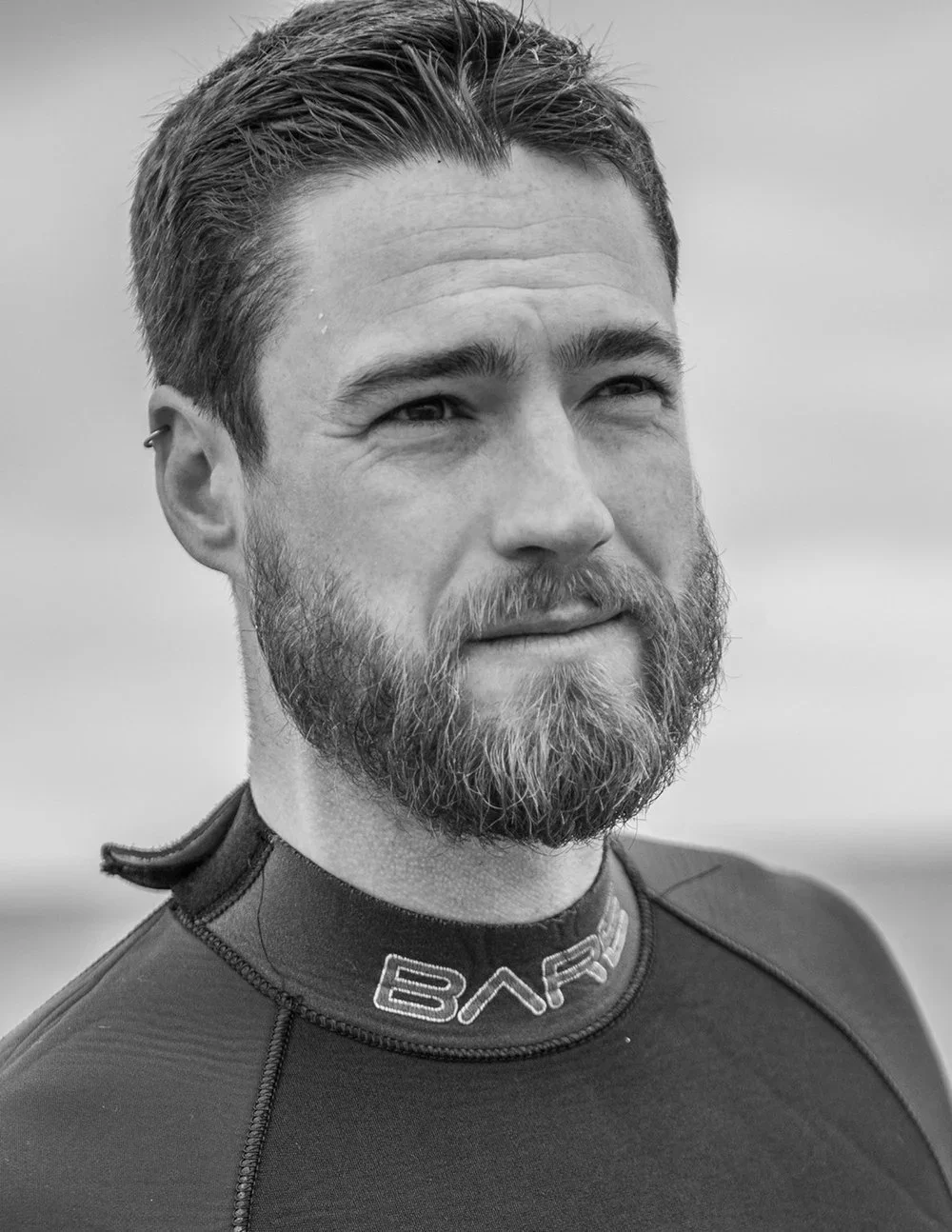
Atlantic Salmon: The Fight to Survive
Nick Hawkins • Atlantic Canada, Quebec • 2024
Atlantic salmon make an extraordinary migration, travelling from eastern Canadian rivers to feeding grounds off Greenland before returning to the rivers where their lives began.
Over three years, Nick Hawkins documented that journey from birth to return, creating an unprecedented visual record of the Atlantic salmon’s complete life cycle. His footage captures both the resilience of wild salmon and the mounting pressures they face in rivers and at sea.
-
Atlantic salmon face pressures throughout their life cycle, from the rivers where they are born to their ocean feeding grounds and the journey home.
The earliest stages of the salmon life cycle proved exceptionally difficult to film in the wild, so the team used a specialized studio to document their development.
Open-net pen salmon farming emerged as a significant and actionable threat to wild Atlantic salmon and became the focus of a feature-length documentary now in production.
-
Created an extensive visual archive documenting the complete Atlantic salmon life cycle, from its earliest stages through its migration at sea.
Shared footage with conservation organizations in North America and Europe, where it is being used in films, campaigns and educational outreach.
Partnered with the Atlantic Salmon Federation and Hooké on two short documentaries, including Scale of Change, released in 2025, with a second film scheduled for late 2026.
The project helped secure US$950,000 in additional funding for a feature-length documentary examining the impacts of open-net pen salmon farming, scheduled for release in 2027.
The work also led to a feature in Canadian Geographic and coverage on CBC Radio.
ACTIVE PROJECTS
Walking with Caribou
Malkolm Boothroyd • Yukon • 2023
A century ago, the Fortymile caribou herd numbered around a quarter million animals. By the 1970s, fewer than 10,000 remained.
Now the herd has made a remarkable recovery. Working with Tr’ondëk Hwëch’in community members, Malkolm Boothroyd is following the renewal of relationships with a herd returning to a landscape reshaped by climate change and development.
-
The Fortymile herd fell from roughly 250,000 animals a century ago to about 5,000 by the 1970s, then recovered to around 80,000.
Despite its recovery, the herd has not returned to much of its historic range, concentrating more animals within a smaller core area.
Climate change and industrial development have altered parts of the herd’s former range, raising new questions about how far recovery can continue.
Tr’ondëk Hwëch’in voluntarily stopped hunting Fortymile caribou for generations as the herd recovered and are now rebuilding relationships with the returning herd.
-
The project will combine photography, video, sound and interviews to tell the story of the Fortymile herd’s decline and recovery.
The exhibition will centre Tr’ondëk Hwëch’in perspectives on reconnecting with the herd and its future stewardship.
An interactive StoryMap will extend the project online, tracing changes in the herd and its range over time.
Scott Parent • Lake Huron • 2024
Plastic is reaching some of Lake Huron’s most remote islands, turning up in waterbird nests and even inside the birds themselves.
In his short documentary Oiseaux, Scott Parent follows cormorants and other waterbirds to explore how human-made debris enters freshwater ecosystems and what these birds can reveal about the health of the waters beneath them.
Oiseaux - How Anthropogenic debris is be-fowling the Great Lakes and infiltrating the food web.
-
Researchers have found plastic debris in Great Lakes waterbird nests, and microplastics in cormorants.
Because cormorants feed primarily on fish, microplastics found in the birds may be evidence that plastic is moving through the freshwater food web.
Cormorants and other waterbirds can reveal changes in contamination and the health of Great Lakes ecosystems.
Human-made debris is reaching remote nesting islands in Lake Huron and Georgian Bay, despite their distance from major population centres.
-
The documentary will bring together scientific research and Anishinaabe perspectives on the relationships and responsibilities connecting people, wildlife and water.
Photography and multiple versions of the film are being developed for classrooms, festivals and outreach through the Three Waters Foundation.
Shorebirds: Sentinels Of The Mudflats
Isabelle Groc • Pacific & Atlantic Flyways • 2024
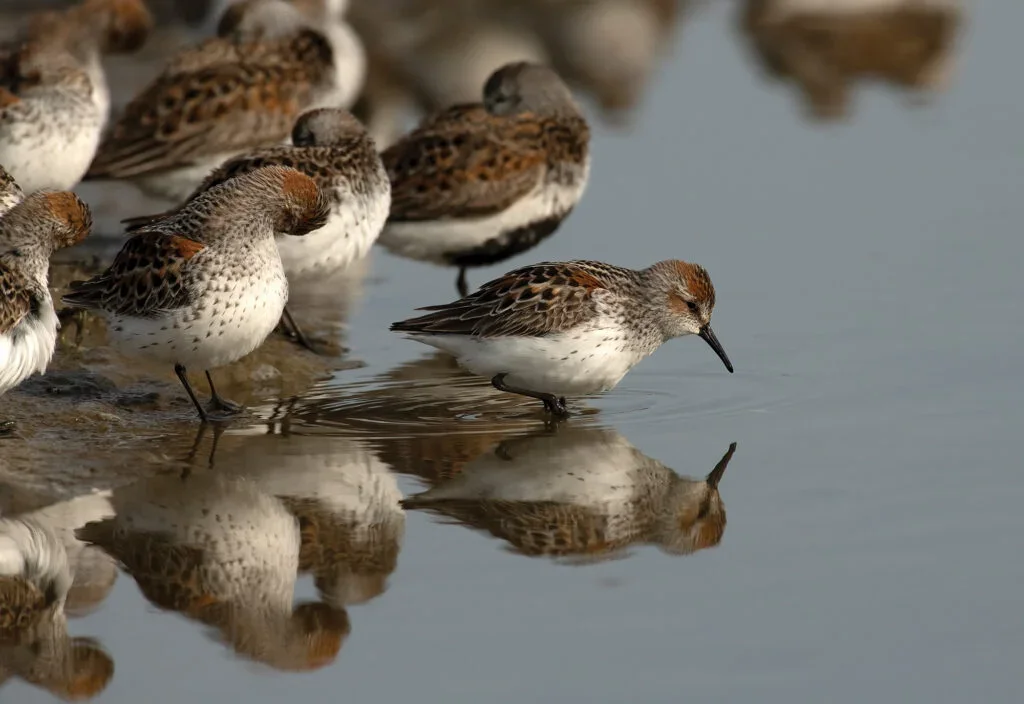
A bird weighing little more than 30 grams can migrate more than 10,000 kilometres, stopping at just a handful of mudflats to refuel.
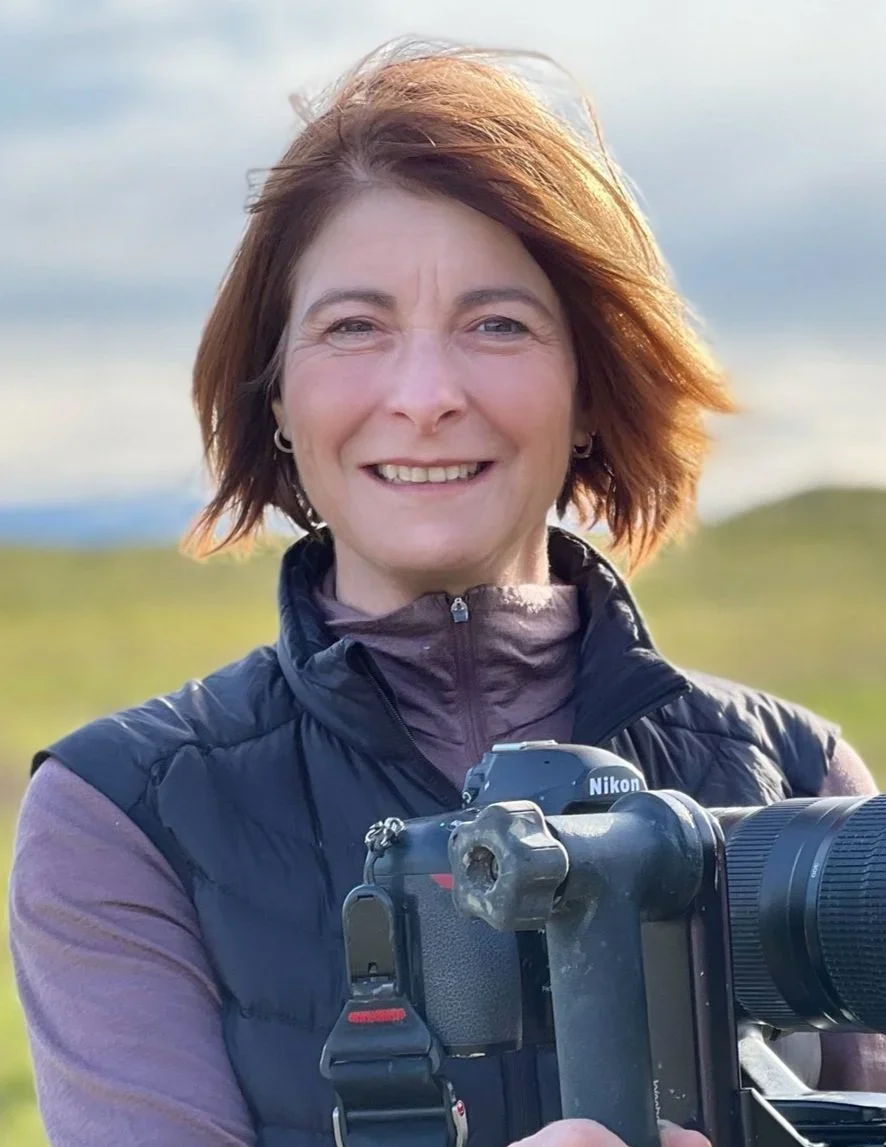
Along the Pacific and Atlantic flyways, Isabelle Groc is following western and semipalmated sandpipers to reveal the hidden importance of these overlooked habitats. Her documentary Sandpipers’ Last Supper tells the story of western sandpipers at Roberts Bank, where nutrient-rich biofilm helps fuel their extraordinary migration.
-
Western sandpipers migrate more than 10,000 kilometres between wintering grounds as far south as Peru and breeding grounds in Alaska, stopping at just a handful of sites to refuel.
Between 42% and 64% of western sandpipers rely on Roberts Bank during migration, and almost every bird is estimated to use the site at least once during its life.
At Roberts Bank, biofilm provides western sandpipers with omega-3 fatty acids and other nutrients that help power their long-distance migration.
Roberts Bank faces further development from a major port expansion, while the Upper Bay of Fundy provides a contrasting example of mudflats that have benefited from decades of conservation measures.
-
Completed Sandpipers’ Last Supper, a documentary revealing the relationship between western sandpipers, biofilm and the mudflats of Roberts Bank.
Published The Magic in the Mud: Sandpipers’ Migration Superfood in Canadian Geographic, bringing the hidden ecology of Roberts Bank to a wider audience.
Photography and visual storytelling from the broader project will connect the contrasting stories of Roberts Bank and the Upper Bay of Fundy, showing how shorebirds depend on mudflats along two major migration routes.
Sara Cannon • Pacific Coast • 2024
Pacific salmon can travel thousands of kilometres across rivers, oceans and international borders, encountering fisheries far from the waters where they were born.
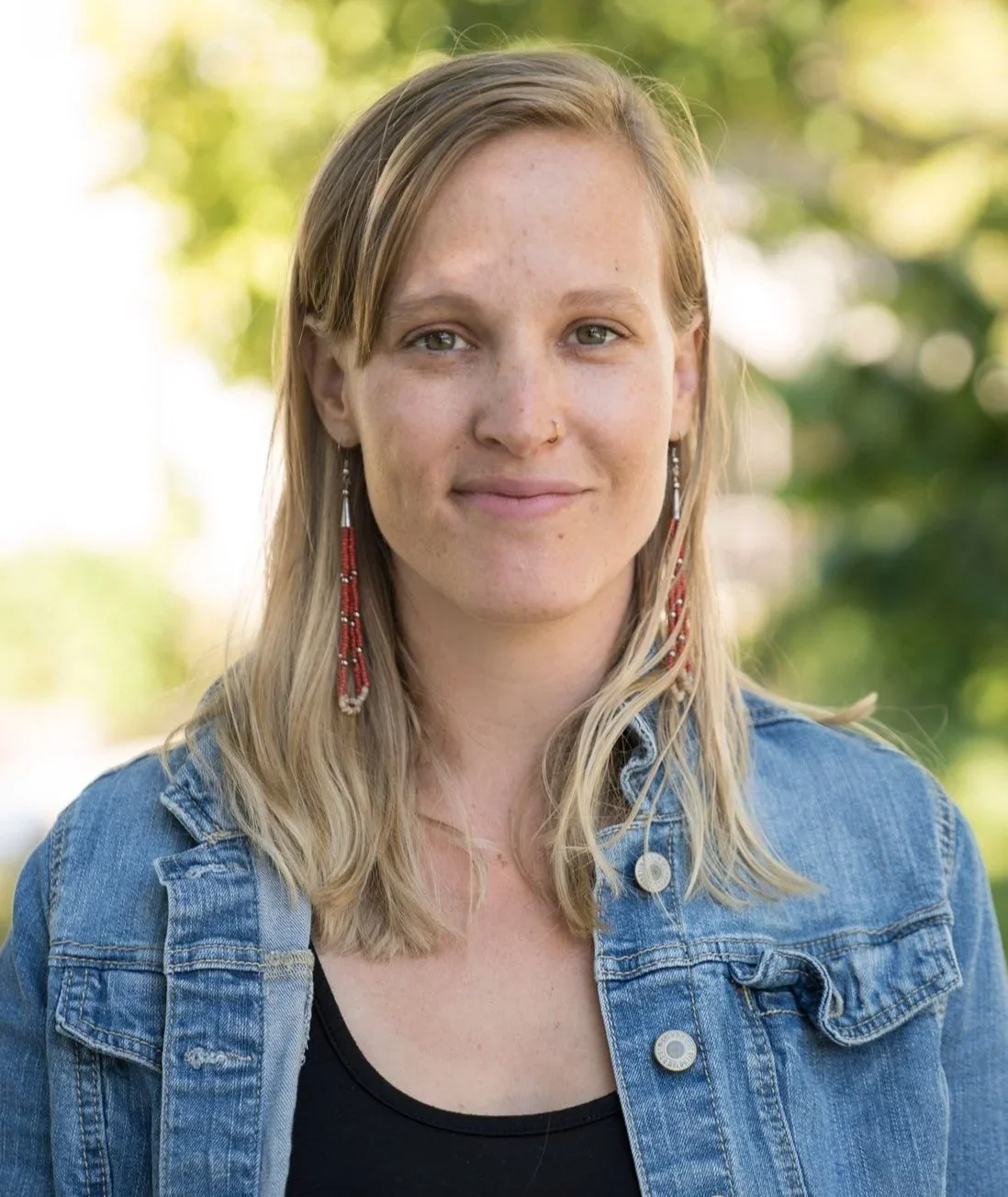
Sara Cannon and the First Nations Fisheries Council are tracing how mixed-stock marine fisheries affect sockeye and Chinook salmon from British Columbia and the Yukon, and what those losses mean for First Nations that depend on them.
Towards social justice and sustainability in Canadian salmon fisheries
-
Mixed-stock marine fisheries can intercept sockeye and Chinook salmon far from the rivers where they were born, making it difficult to manage individual populations throughout their migration.
Some salmon populations are harvested even when they are below recovery goals, adding fishing pressure to populations already facing other threats.
Declining salmon abundance and restrictions on First Nations fisheries can limit access to a species central to food, culture and constitutionally protected fishing rights.
Salmon management often considers ecological and social pressures separately, obscuring how their combined effects can affect both salmon and the people who depend on them.
-
The project is quantifying how many BC- and Yukon-origin sockeye and Chinook salmon are intercepted in mixed-stock marine fisheries and which populations are most affected.
Participating First Nations are documenting how changing access to salmon affects fishing practices and inherent and constitutionally protected fishing rights.
The research is intended to inform discussions around the 2028 renegotiation of the Pacific Salmon Treaty and strengthen recognition of Indigenous fishing rights along salmon migratory routes.
Southern Bears
Mitch Bowmile • James Bay • 2025
Along the eastern coast of James Bay, Cree land-users are encountering more polar bears on offshore islands used for hunting and trapping.
Southern Bears follows Cree field teams and researchers using hair snares and camera traps to study the world’s southernmost polar bears without handling them, gathering new evidence about these little-studied bears and what it could mean for their future in James Bay.

-
Cree land-users in eastern James Bay have reported increasing encounters with polar bears on offshore islands used for hunting and trapping.
Little research has been conducted on polar bears in eastern James Bay, leaving important questions about their status, movements and behaviour.
Community-led research is using hair snares and camera traps to collect information about the bears without tranquillizing, collaring or handling them.
-
Southern Bears is being developed as a feature documentary following Cree field teams and researchers studying polar bears in eastern James Bay.
The film will show how Cree knowledge and non-invasive scientific methods are being brought together to better understand polar bears and support safer coexistence.
Community screenings and educational materials are being developed to share the research throughout Eeyou Istchee and create opportunities for local involvement in land and wildlife stewardship.
The project will examine the potential conservation impacts emerging polar bear research could have on the region.
Investigating Wild Salmon Health in Relation to
Heat Stress from Logging
Robert Masaki Hechler • Coastal British Columbia • 2025
Logging and climate change can warm the rivers where Pacific salmon spawn and grow, but their effects on wild salmon health remain poorly understood.
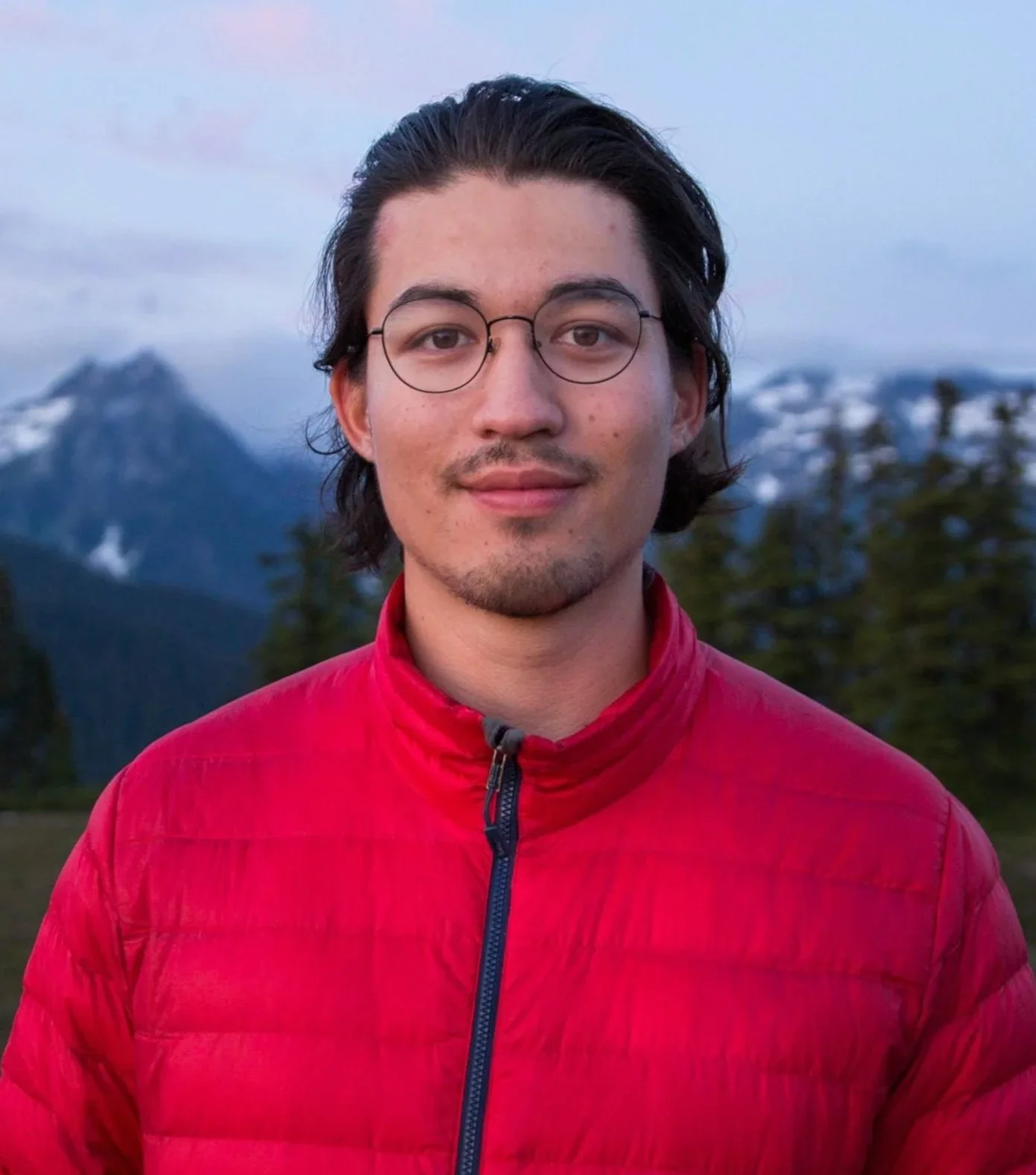
Across 10 rivers with different logging histories and temperatures, Robert Masaki Hechler, the Salmon Coast Field Station and the Musgamagw Dzawada’enuxw Fisheries Group are studying how coho salmon respond to warming water. The team is also testing whether environmental RNA naturally shed into water can reveal signs of heat stress without catching the fish themselves.
-
Logging can increase water temperatures in rivers where salmon spawn and grow.
Pilot research identified strong temperature differences among 10 culturally important salmon rivers with different logging histories in Musgamagw Dzawada’enuxw territory.
Changes in gene expression can reveal how salmon are responding physiologically to heat stress.
Laboratory studies have shown that environmental RNA shed by aquatic organisms can reveal changes in gene expression, but the approach has yet to be demonstrated in the wild.
-
The project tests how heat stress from logging and natural variation affects wild salmon health in rivers.
The project compares environmental RNA with salmon tissue to determine whether water samples could provide a non-invasive way to monitor wild fish health.
The team will share findings in peer-reviewed research papers and with the Musgamagw Dzawada’enuxw through a report combining research and field photography.
Road to Recovery: Protecting Ontario’s Freshwater Turtles
From Car Strikes
Samantha Stephens • Ontario • 2025
For Ontario’s freshwater turtles, crossing a road can be deadly. Because turtles mature slowly and reproduce over decades, losing even one breeding female can have lasting consequences for a population.
Where roads cut through turtle habitat, Samantha Stephens is following the people working to make those crossings safer, from wildlife fencing to rescue and rehabilitation.

-
Road mortality is one of the biggest threats to freshwater turtles in Ontario, where all eight native species are listed at some level of provincial or federal conservation risk.
Turtles mature relatively late in life and reproduce slowly, making populations particularly vulnerable to the loss of adult females.
Roads fragment turtle habitat, forcing animals to cross while searching for food, mates, nesting sites and places to overwinter.
Wildlife crossings, fencing and artificial nesting sites can reduce the risks turtles face around roads.
-
A 20–25-image photo story is being developed around turtle road mortality and the people working on solutions across Ontario.
Photography is following injured turtles from roadside rescue and volunteer transport through rehabilitation at the Ontario Turtle Conservation Centre.
The story will document practical infrastructure responses, including wildlife crossings, fencing, and artificial nesting sites, as well as community groups that help turtles cross roads safely.
Public talks are planned to share why turtles are vulnerable to roads and what people can do to help.
Ryan Tidman • British Columbia • 2025
Fewer than 30 Vancouver Island marmots remained in the wild in the early 2000s. After more than two decades of intensive recovery work, their numbers have climbed into the hundreds.
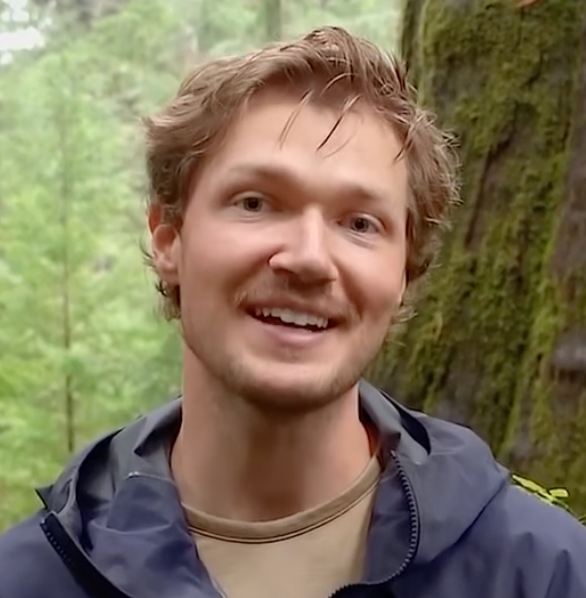
Ryan Tidman’s short documentary Rise of the Marmot follows a young captive-born marmot released into a formerly abandoned colony, revealing the science and fieldwork behind the recovery of one of the world’s rarest mammals.
Rise of the Marmot
-
Despite more than two decades of intensive recovery efforts, the Vancouver Island marmot remains critically endangered.
Captive breeding and reintroduction have helped marmots return to mountain colonies where the species had disappeared.
Habitat loss, ecosystem change, predation and inbreeding continue to threaten the recovering population.
-
Rise of the Marmot is being developed as a 10-minute documentary following the recovery of the Vancouver Island marmot and the fieldwork behind its return to the wild.
The project will share video with the Marmot Recovery Foundation for education, outreach, and fundraising.
A series of social posts and short-form videos will extend the story beyond the film, sharing marmot behaviour, fieldwork and conservation efforts with wider audiences.
Open Video Library of Canadian Microorganisms
Ariel Waldman • Across Canada • 2025
Entire worlds can exist within a drop of water, yet much of Canada’s microbial life remains unseen.
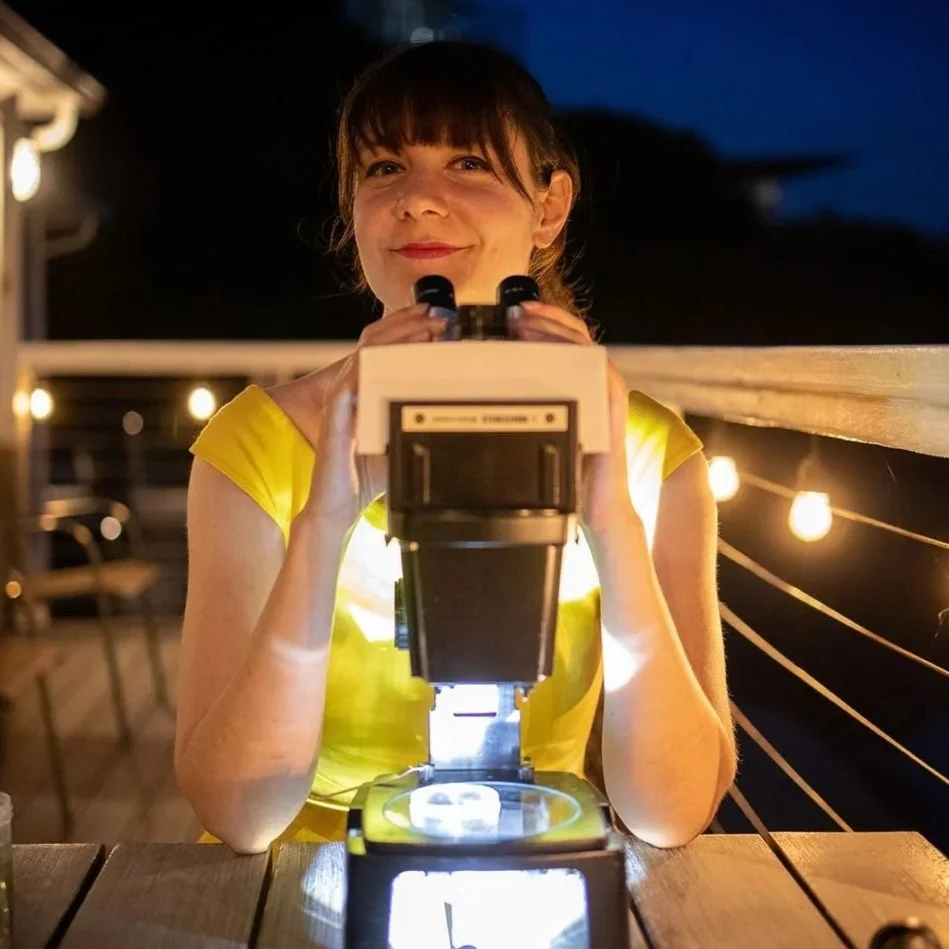
Working with environmental microbiologist Dr. Jackie Goordial at the University of Guelph, Ariel Waldman is filming microorganisms collected from the Canadian Arctic, revealing their lives under the microscope. The footage will become a free video library, opening a window into the tiny organisms that help sustain ecosystems.
-
Microorganisms underpin ecosystems, drive nutrient cycles, shape soil health, and influence climate systems.
Canada’s microbial life spans environments from Arctic tundra to temperate forests, yet much of its diversity remains invisible to the public.
Many microorganisms are studied through genetic data or preserved samples rather than filmed, leaving their structures, movements and behaviours largely unseen.
-
A free, Creative Commons video library of Canadian microorganisms is being developed, beginning with samples collected from the Canadian Arctic.
High-quality microscope footage will provide microbiologists with new visual material to study and communicate the structures, movements, and behaviours of microorganisms.
Videos paired with accessible explanations will give educators, science communicators and the public a new way to explore Canada’s microscopic life.
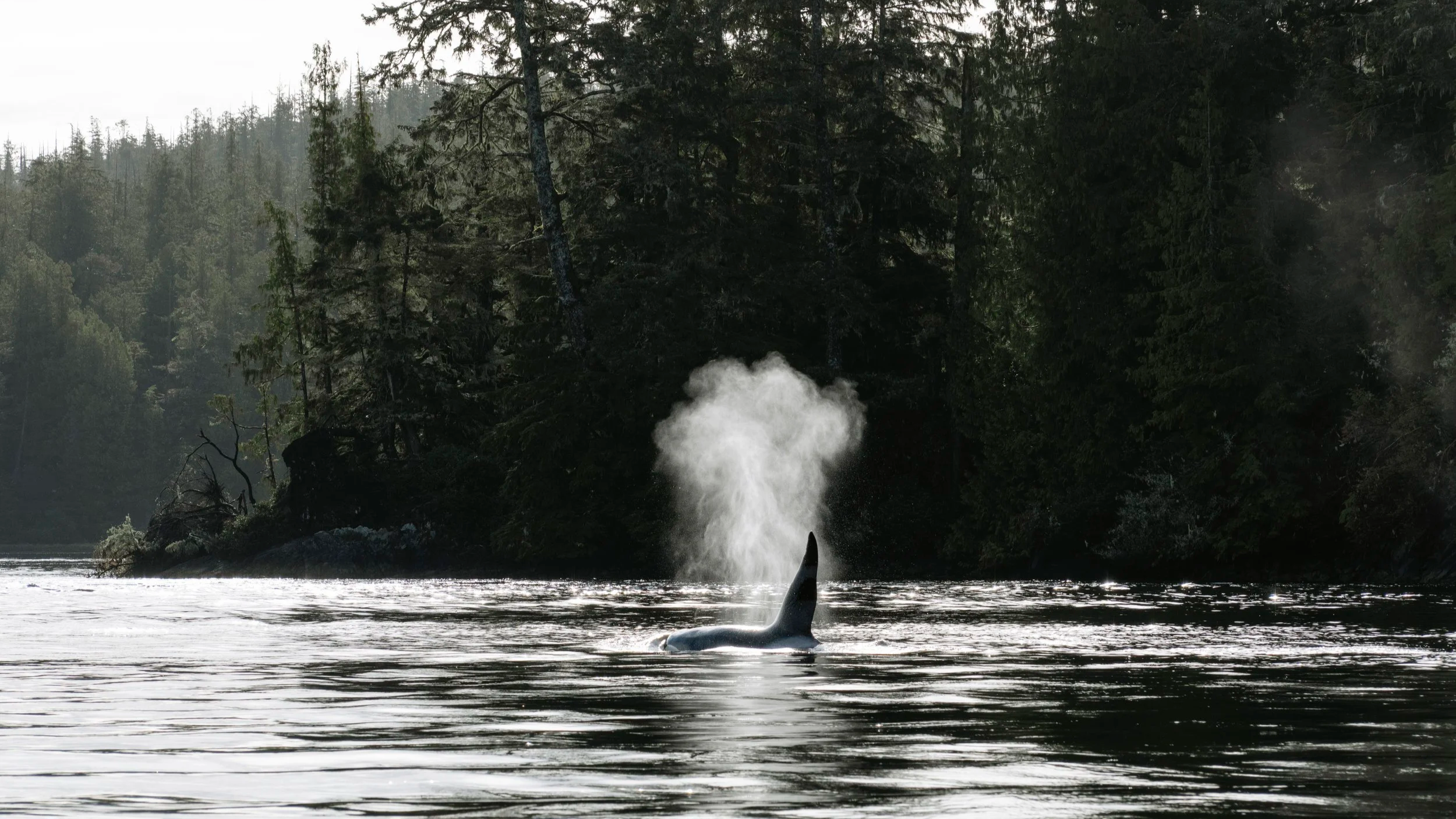
Valeria Vergara • Vancouver Island, BC • 2026
Killer whales live in societies held together by sound.
Among Northern Resident killer whales, each pod has its own dialect, passed down through generations. Underwater recordings, drone footage, and machine learning models are being combined to link specific calls to behaviours and social interactions. Valeria Vergara is also comparing these fish-eating whales to Bigg’s killer whales, which hunt marine mammals, to better understand how call usage is shaped by ecology – and ultimately to help clarify which behaviours or social processes human-generated ocean noise may be interrupting.
Listening to Whales: Using Hydrophones, Drones, and AI to Unravel Killer Whale Communication Dynamics
-
Pod-specific dialects passed between generations are a remarkable example of non-human culture.
Despite decades of study, much remains unknown about what individual killer whale calls mean or how whales use them in their social lives.
Northern Resident and Bigg’s killer whales differ in their diets, social systems and vocal behaviours, offering an opportunity to compare communication across two distinct ecotypes.
A 2025 pilot showed that synchronized underwater recordings, drone footage and machine learning can be combined successfully under field conditions off northeastern Vancouver Island.
-
The next phase builds on the successful 2025 pilot to connect killer whale calls with behaviour, social roles, and group interactions.
The research is also examining how human-generated ocean noise interferes with killer whale communication.
The approach is being developed as the foundation for comparable studies of killer whale communication in other populations, including a planned effort in Iceland.
Water Bears and People on Canada’s Eastern Edge
Mônica Taís Engel • Newfoundland & Labrador • 2026
Polar bears are an iconic species of the North, yet their interactions with people in Newfoundland and Labrador remain poorly understood despite increasing reports from coastal communities seeing polar bears walking in backyards, leaving tracks on trails, and even breaking into houses. Mônica Engel is investigating and mapping these encounters over time to understand how changing sea ice is bringing polar bears and people into closer contact, and how communities are responding.
-
Polar bears from the Davis Strait subpopulation move along the coast of Newfoundland as they return north in the spring, often crossing through land and communities.
Encounters with polar bears can pose risks to residents, pets and the bears themselves, creating challenges for coastal communities and wildlife managers.
Human-polar bear interactions on the island of Newfoundland have not been systematically documented or mapped, leaving important gaps in understanding where and why encounters occur, and how changing sea ice is bringing polar bears and people into closer contact.
As encounters become more common, the project will transform an overlooked region into a living laboratory for understanding the limits of tolerance and when polar bears become problematic.
A historical assessment of polar bear sightings along the coast of Newfoundland will help us understand polar bear movement and social responses.
-
The project is creating the first systematic record and map of human-polar bear interactions on the island of Newfoundland, drawing on historical and current media reports and firsthand accounts.
Trail cameras near coastal communities are documenting bear sightings along terrestrial migration routes.
A documentary is being developed around local experiences and research to explore what coexistence with polar bears means for communities, wildlife managers and policymakers.
WATER
HISTORY & CULTURE
HISTORY & CULTURE
LAND
EXPLORE OTHER FOCUS AREAS