FOCUS AREA
HISTORY & CULTURE
COMPLETED PROJECTS
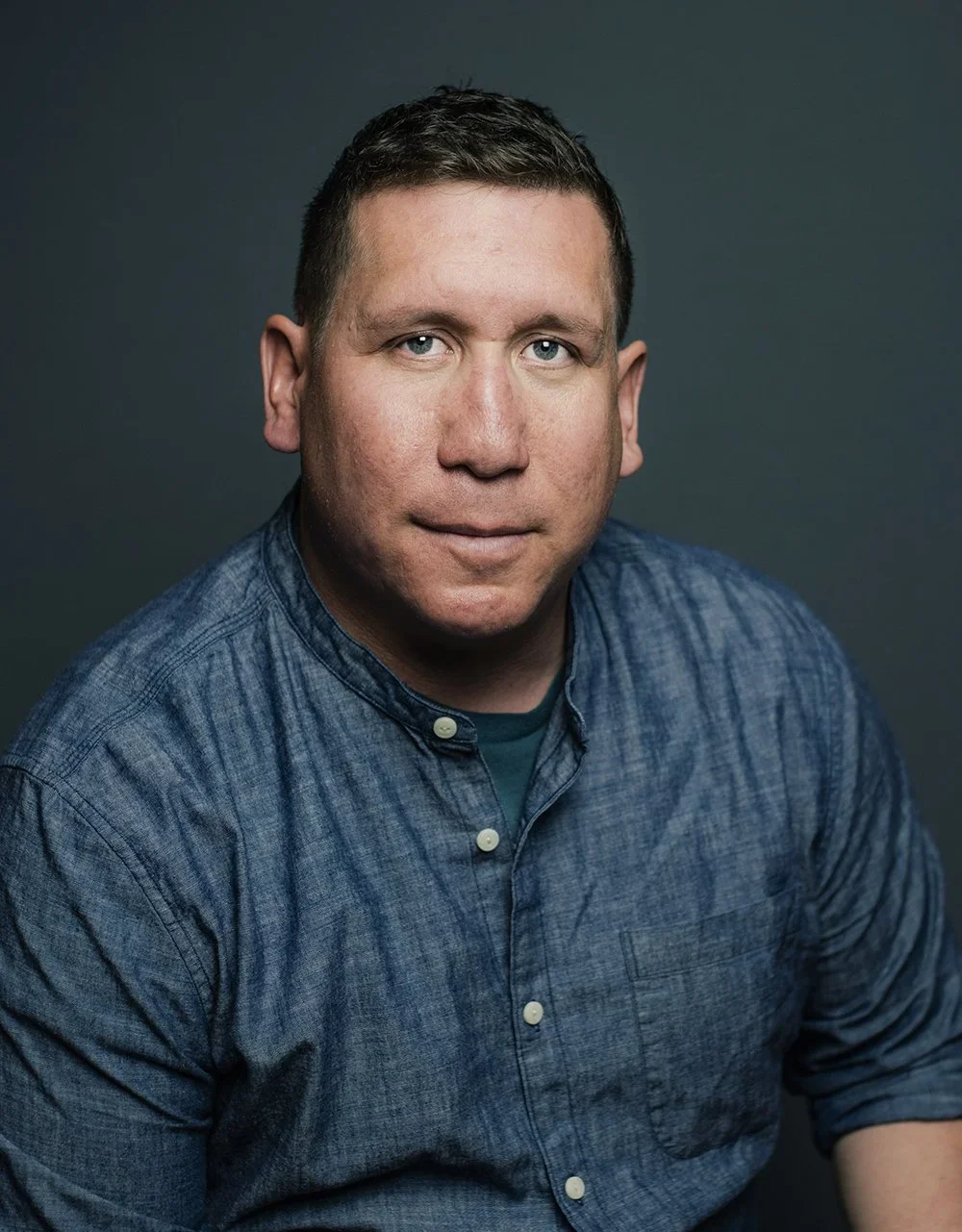
The Fight For Healthy Food In Canada's North
Patrick Kane • Northwest Territories & Nunavut • 2021
Food insecurity in the North is about more than grocery prices. For many Indigenous communities, access to country food is also connected to harvesting and relationships with the land.
Across Nunavut and the Northwest Territories, Patrick Kane documented the barriers that make healthy food difficult to access, alongside community-led efforts to keep harvesting traditions strong and improve access to locally sourced food.
-
Food insecurity in northern Canada is shaped by remoteness, high food prices and the high cost of harvesting.
Access to country food remains closely connected to culture, wellbeing and relationships with the land.
Fuel and equipment costs can make hunting and harvesting difficult, even where country food is available.
Community-led programs are helping improve access to country food while keeping harvesting knowledge and traditions active.
-
Published the project in The Globe and Mail and Canadian Geographic.
Exhibited the work through Art Souterrain in Montréal and Photoville in New York.
Created a photobook bringing together photographs and perspectives on food security from communities in the Northwest Territories and Nunavut.
Kinauniqput Ammalu Arvangniaqtitt: Exploring Inuit Identity And The Influence Of British Whalers
Shelly Elverum • Nunavut • 2021
Why do Scottish fiddle tunes, square dancing and bannock remain part of Inuit life today?
Through the Ikaarvik program, Inuit youth in Pond Inlet explored how relationships between Inuit and Scottish whalers influenced their community, tracing connections still visible in food, music, dance, and other parts of Inuit life today.
-
Scottish whalers left lasting cultural influences that remain visible in food, music, dance and language within some Inuit communities.
Oral histories and Inuit Qaujimajatuqangit provide perspectives on Arctic history that differ from conventional exploration narratives.
Community knowledge and archival records together offer a richer understanding of Inuit cultural continuity.
-
Supported Inuit youth in Pond Inlet to lead research into their community's historical relationships with Scottish whalers.
Brought youth and Elders together to explore community knowledge and perspectives on the whaling era.
Created an Inuit-led approach to interpreting a chapter of Arctic history more often told through the records of European explorers and whalers.
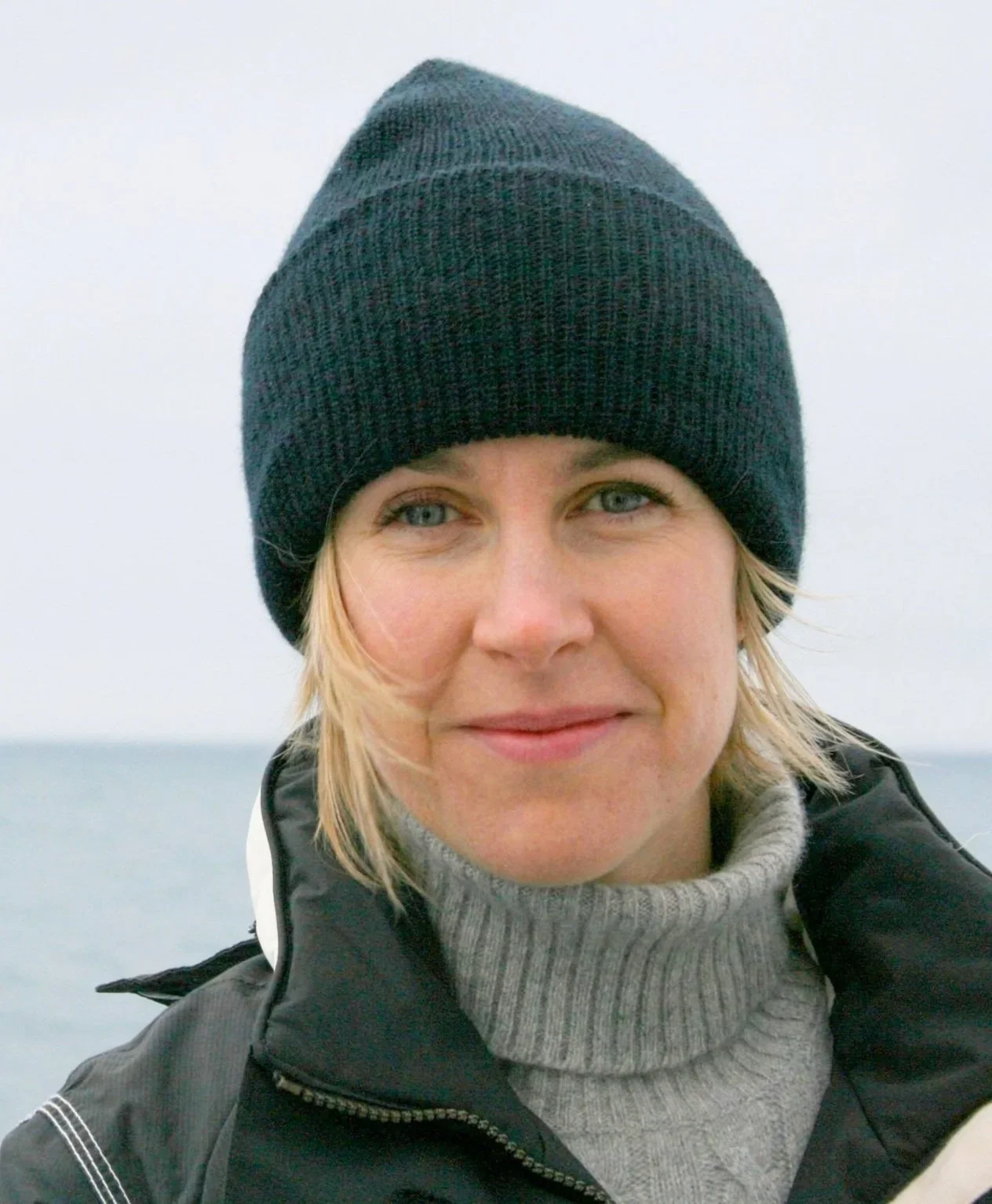
Jessica Houston • Nunavut & Northwest Passage • 2022
Arctic exploration has long been told through the journeys of famous men, leaving many women’s stories out of the historical record.
Beyond Her Horizons followed an all-female expedition through the Northwest Passage, bringing together the stories of Indigenous and non-Indigenous women whose knowledge and experiences offer a different perspective on Arctic exploration, past and present.
Beyond Her Horizons
-
Inuit women provided knowledge and skills that were essential to the survival and success of many early Arctic expeditions.
Women’s accounts reveal parts of Arctic exploration history often missing from conventional expedition narratives.
Stories gathered along the Northwest Passage connect historical figures such as Tookoolito and Siusarnaq with women living, working and conducting research in the Arctic today.
Oral histories gathered from women across generations preserve knowledge of travel, land, wildlife and community life in the Arctic.
-
Produced an hour-long film from oral histories gathered from 27 Indigenous and non-Indigenous women, alongside a photography and audio exhibition.
Presented the work through exhibitions, public screenings and schools, including Pond Inlet High School and the Royal Canadian Geographical Society.
Created opportunities for intergenerational knowledge sharing, including oral histories gathered by younger community members in conversation with Elders.
Secured additional support from the Canada Council for the Arts, Parks Canada and Canadian North to extend the project.
'Two-Eyed Seeing': Using LiDAR To Document And Illustrate 11,000 Years Of Environmental And Cultural History In The Georgian Bay
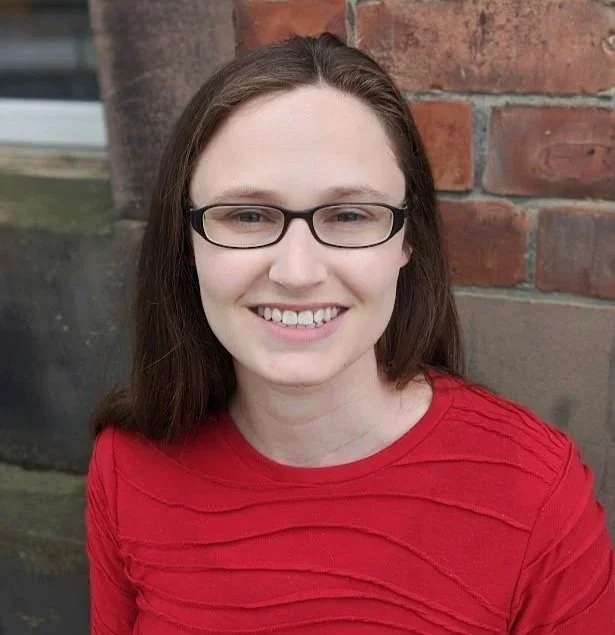
Kirsten Kennedy • Ontario • 2023
Some of Georgian Bay’s oldest stories are hidden beneath the forest canopy.
LiDAR technology and Indigenous knowledge came together through the principle of Two-Eyed Seeing to map geocultural sites around Georgian Bay. Kirsten Kennedy’s work reveals how more than 11,000 years of human history are woven into a changing landscape.
-
LiDAR revealed details of archaeological sites and landscapes that are difficult to see beneath forest cover.
Ancient shorelines, glacial features and changing water levels show how the Georgian Bay landscape has evolved over thousands of years.
Human history is closely tied to that changing landscape, from the 5,000-year-old Mnijikaning Fish Weirs to traditional travel routes and winter encampments in the 30,000 Islands.
Bringing Indigenous knowledge together with geological and archaeological evidence provides a fuller picture of Georgian Bay’s geocultural history.
-
Completed 115 LiDAR flights across Georgian Bay, including 13 archaeological sites and a wide range of paleoenvironmental landscapes.
Built a database of approximately 55 sites and regions with significant geocultural stories.
Developed new relationships with Indigenous knowledge keepers through the Turtle Island Education Centre to continue documenting geomythology and oral histories.
Dinosaurs Of The Spatsizi Plateau
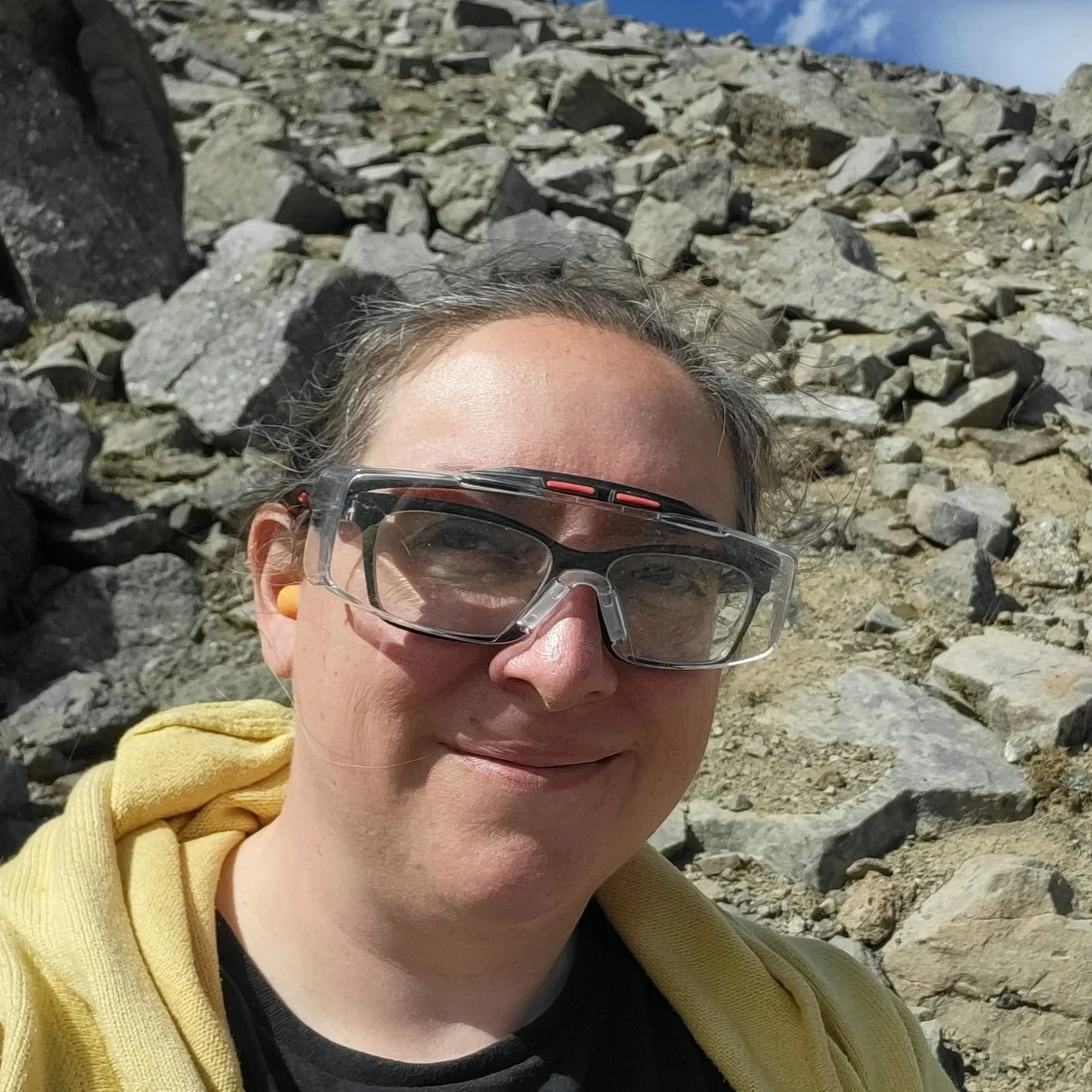
Victoria Arbour • British Columbia • 2023
High in the remote Spatsizi Plateau, dinosaur fossils are emerging from a landscape where few palaeontological expeditions have taken place.
An expedition led by Victoria Arbour discovered a bonebed near the top of a mountain, with fossils from a tyrannosaur, a horned dinosaur and a small meat-eating dinosaur.
-
Discovered a dinosaur bone bed near the top of a mountain, with fossils from a tyrannosaur, a horned dinosaur and a small meat-eating dinosaur.
Recovered more than 90 samples, including dinosaur bones and teeth, fossil plants, pollen and volcanic ash.
Found one or two layers of volcanic ash that could provide new radiometric dates for the fossil sites.
-
Added more than 90 fossil and geological samples to the Royal BC Museum collection for ongoing study.
Shared a report of fossil occurrences with the Tahltan Nation, BC Parks and the BC Fossil Management Office, supporting ongoing research and interpretation.
Trained three university students in palaeontological field techniques, with two additional students continuing research based on material collected during the expedition.
Shared the findings at public events, along with national and international media coverage.
The Ice Patch Project
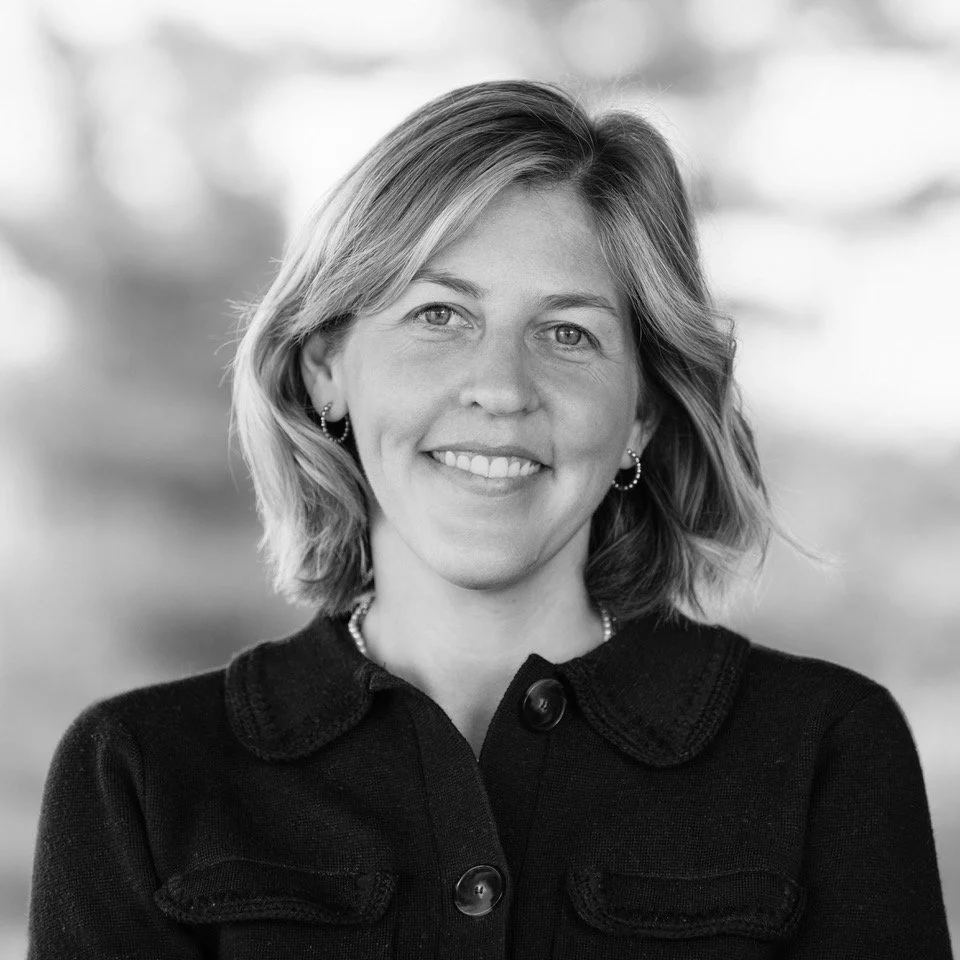
Taylor Roades • Yukon • 2025
As alpine ice patches melt across the Yukon, they are revealing hunting tools and cultural artifacts that have remained frozen for thousands of years.
Taylor Roades’ photography brings the Yukon Ice Patch Project into view, connecting remarkably preserved artifacts with the First Nations knowledge and stewardship that give them meaning today.
-
Yukon ice patches preserve evidence of First Nations hunting traditions spanning close to 9,500 years.
A 6,000-year-old throwing dart contains the oldest intact feather fletching recovered from an ice patch site.
Preserved hunting tools, clothing and other organic materials reveal technologies and craftsmanship rarely preserved in the archaeological record.
Ancient caribou and sheep remains provide a record of animal use and environmental change spanning thousands of years.
-
Created Meaning and Memory in the Yukon Ice Patches, a photographic record of the people, landscapes and artifacts behind the Yukon Ice Patch Project.
Brought the perspectives and knowledge of six First Nations into the visual story of nearly 30 years of community-led ice patch research.
Created a lasting visual resource to share the archaeology, cultural history, and stewardship of Yukon ice patches.
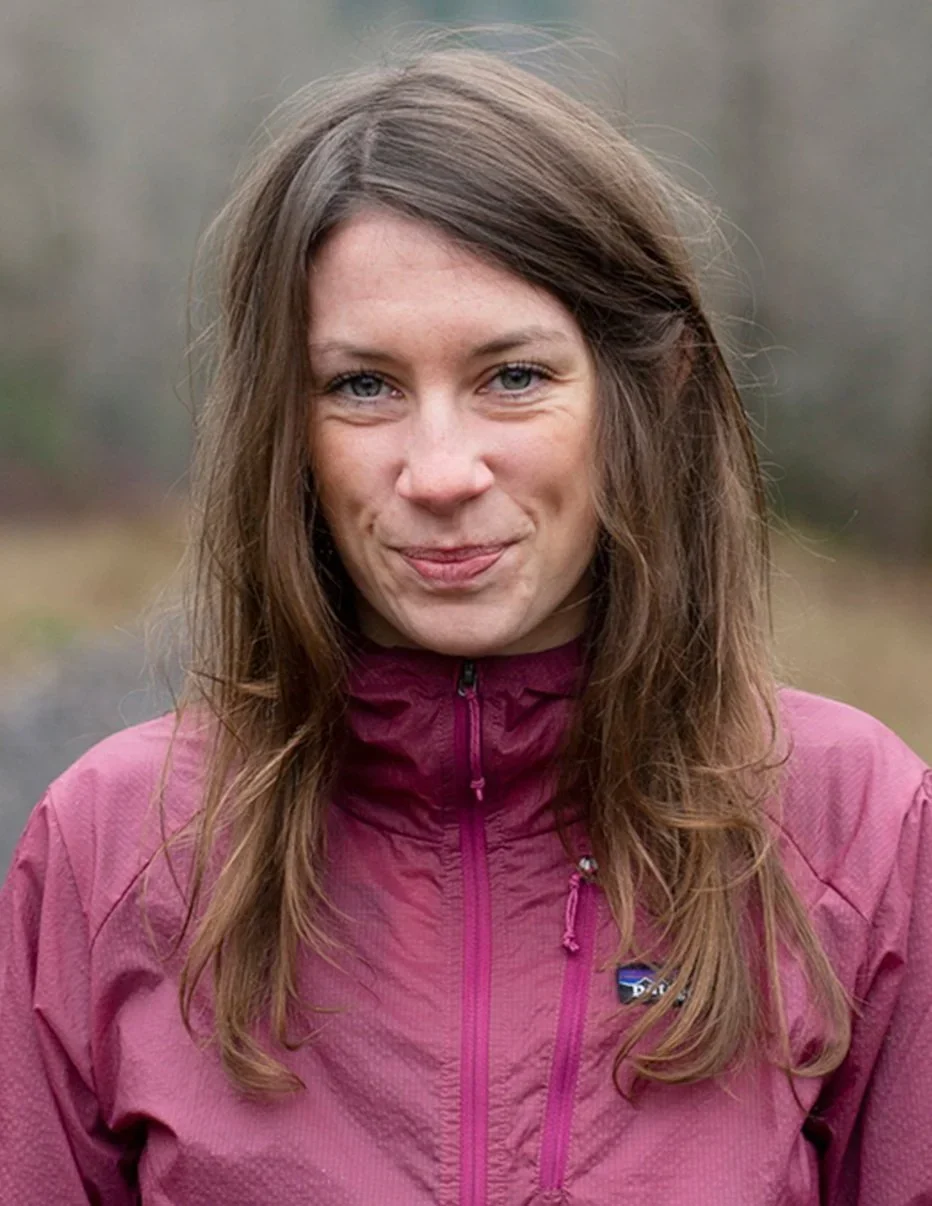
Amy Romer • Canada • 2024
What happens when the places, species and ways of life people care about are altered or lost?
In the six-part podcast series Beyond Ecological Grief, Amy Romer follows people living through environmental change, using the stages of grief to explore how loss can shape identity, culture and our responses to a changing world.
Beyond Ecological Grief
-
Ecological grief can arise from the loss of landscapes, species, livelihoods and imagined futures.
Environmental loss can be inseparable from culture and identity, from disappearing moose populations in Manitoba to the flooding of Blueberry River First Nations territory.
Denial, anger, bargaining and depression can shape how people respond to environmental change, but grief does not follow a simple or universal path.
Acceptance can mean confronting what has already changed while finding ways to act, care for places and carry hope forward.
-
Produced and released all six episodes of Beyond Ecological Grief.
Brought together personal stories, climate psychology and reporting to examine ecological grief through experiences throughout Canada.
Connected environmental loss with wider questions of justice, culture and climate action.
Tofino
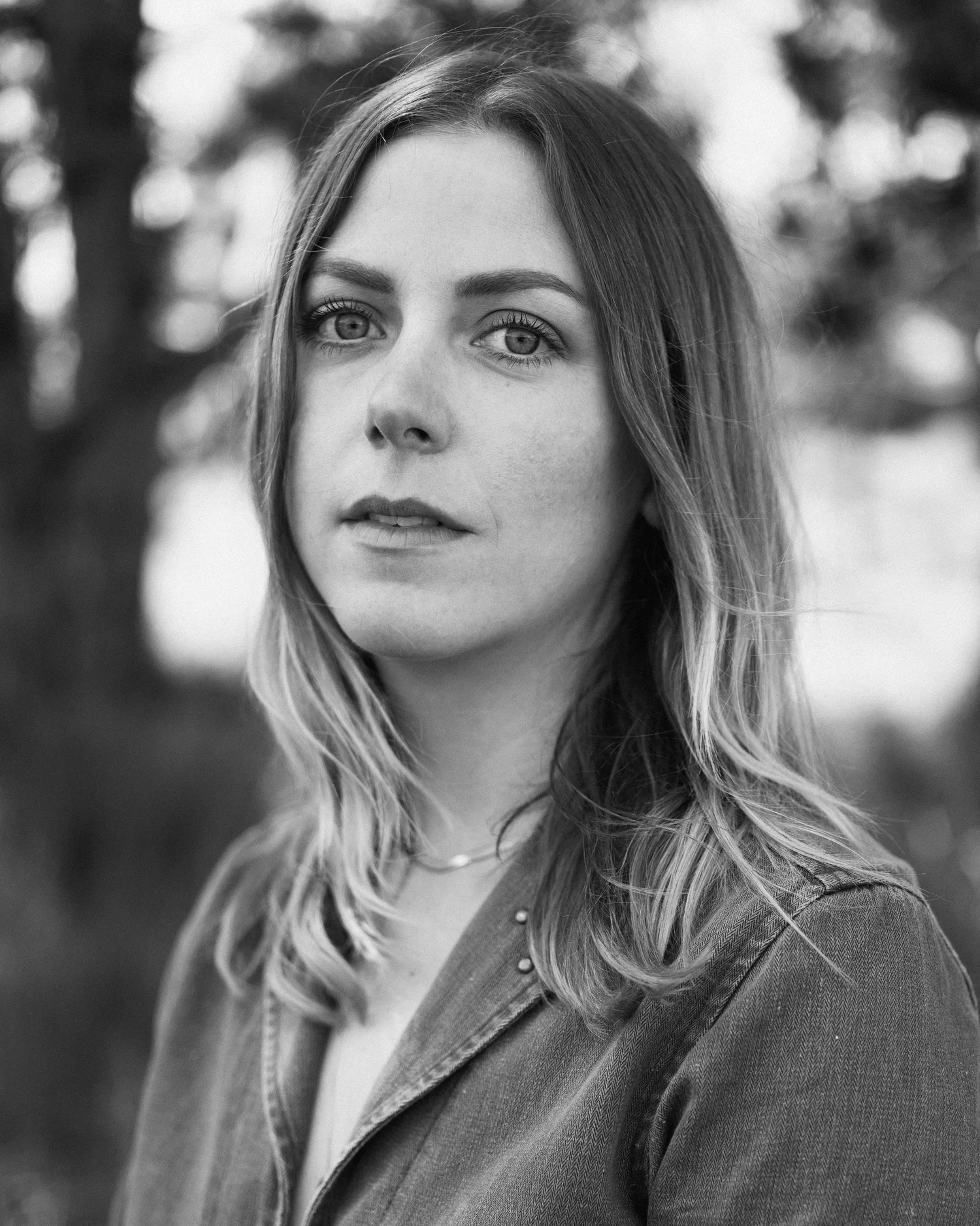
Melissa Renwick • British Columbia • 2024
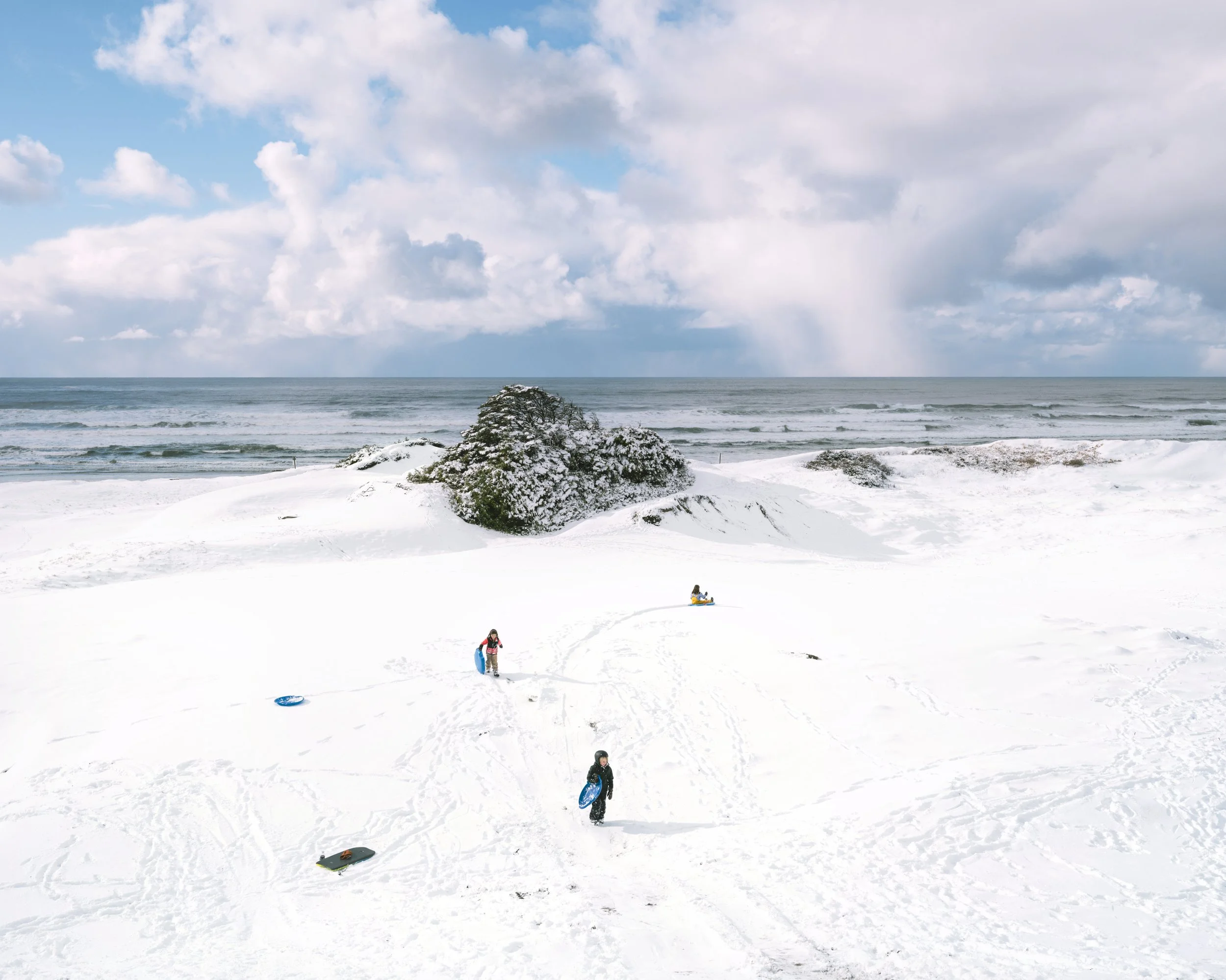
Tofino is one of British Columbia’s most photographed destinations, but life beyond its familiar postcard images is less often seen.
A four-season photographic portrait of Tofino, looking beyond its familiar tourist imagery to document the landscapes and people that shape life in this remote coastal community. The work offers a more intimate view of a place increasingly shaped by tourism.
-
Tofino’s familiar tourist image can obscure the everyday lives of the people who call it home.
The community is navigating the tension between tourism's benefits and the character of local life.
The project raised questions about who gets to live in places increasingly shaped by tourism, and at what cost.
Four seasons of photography revealed how shifting light, weather and energy shape the place.
-
Completed a photographic series spanning all four seasons. Grant Final Report Template_Ren…
Published the work in The Globe and Mail as Searching for the real Tofino.
Extended the project through exhibitions and other public platforms, including recognition through the Salt Spring National Art Prize.
Began conversations with the Tla-o-qui-aht First Nation’s Tribal Parks Guardian Program and muła about using the photography in local programming and future fundraising.
ACTIVE PROJECTS
QʷAYAĆIIK
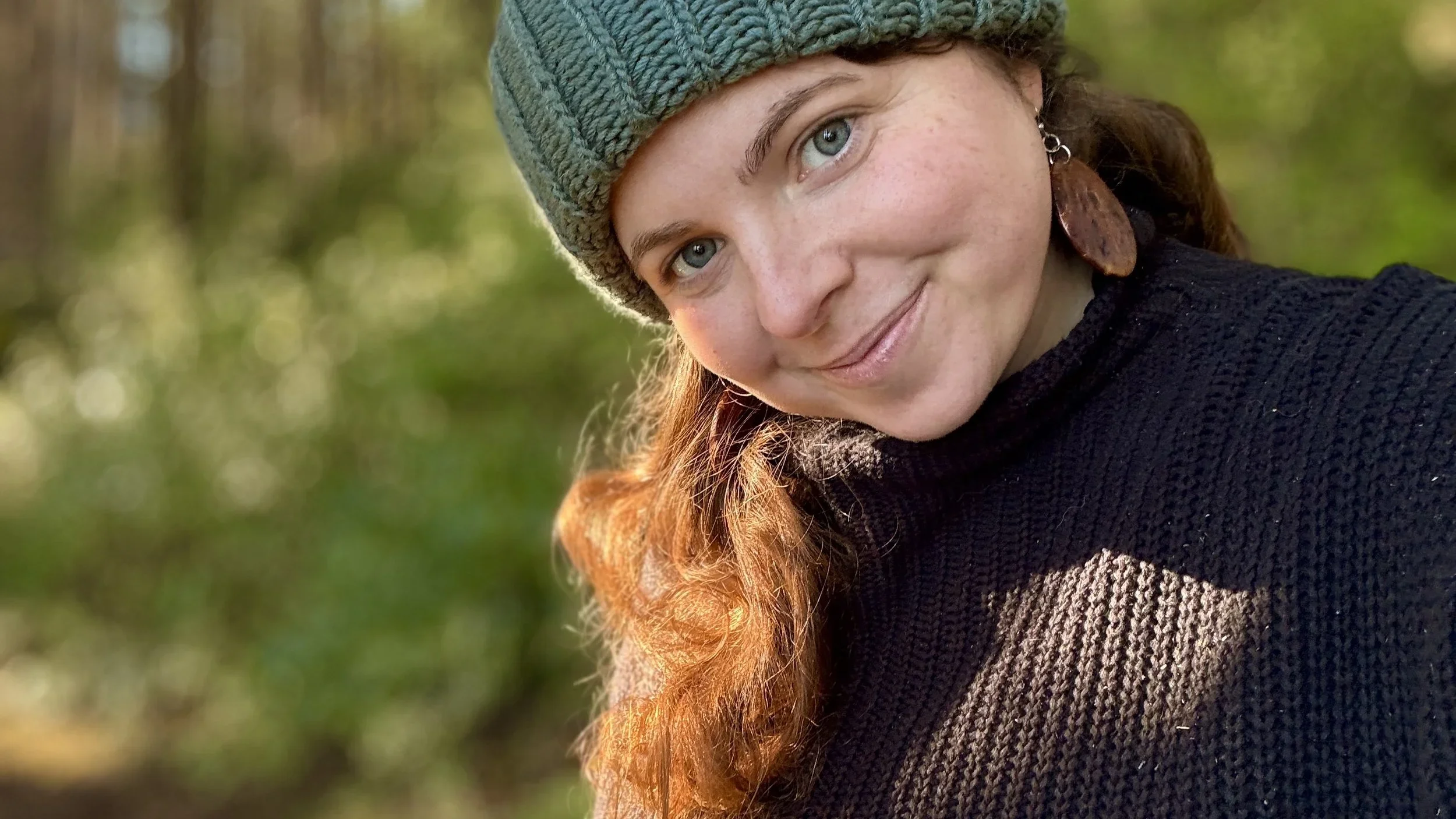
Sam Rose Phillips • British Columbia • 2025
Along the west coast of Vancouver Island, people and coastal wolves are increasingly sharing the same landscape.
QʷAYAĆIIK follows Skookum John of Ahousaht Nation and Marcie Callewaert John as they live alongside a coastal wolf pack and work to prevent the wolves from becoming habituated to people. Made with communities across Nuu-chah-nulth territory, the film explores relationships between people and wolves through Nuu-chah-nulth knowledge and perspectives.
-
Habituated wolves can lose their wariness of people, increasing risks for both wolves and nearby communities.
Nuu-chah-nulth knowledge and values are central to understanding relationships between people and wolves in the region.
Tourism, human behaviour and wildlife filmmaking can contribute to wolf habituation.
Non-invasive camera systems can document coastal wolves while reducing the risk that filmmaking itself changes their behaviour.
-
Creating a feature documentary co-produced with the National Film Board of Canada, with Canadian distribution also secured through Knowledge Network.
Working with a Nuu-chah-nulth Advisory Council to guide the film’s story, representation and impact campaign.
Developing screenings, educational resources and a wildlife coexistence toolkit to encourage safer relationships between people and wolves.
Extending the project’s ethical approach through wildlife storytelling workshops and mentorship with youth and emerging photographers.
A Nation's Fight to Remember: Ancient Forests as Living Memory
for the Ma'amtagila
Maia Wikler • British Columbia • 2025
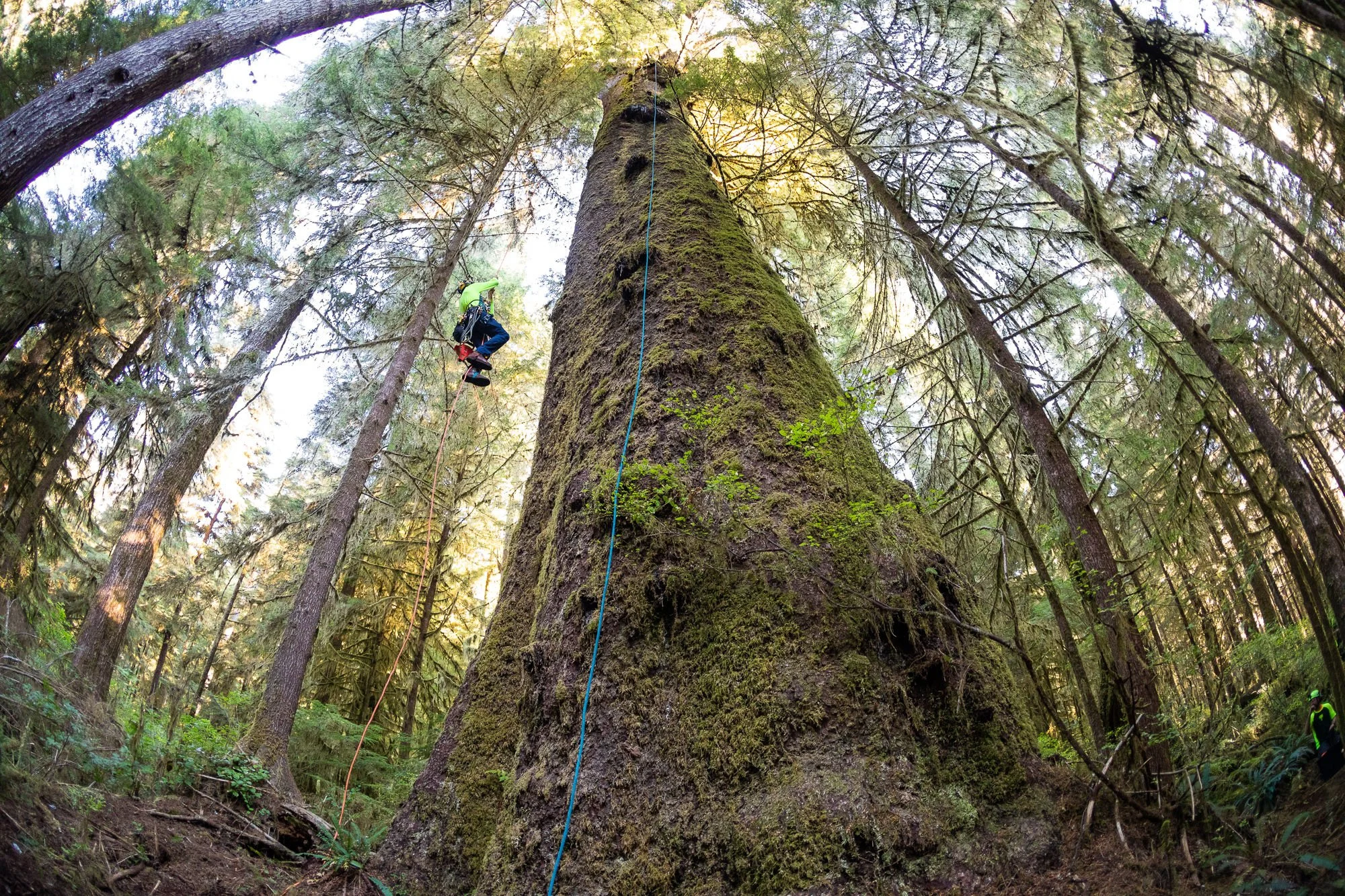
Ancient forests on northern Vancouver Island hold physical records of generations of Ma’amtagila presence, from culturally modified trees to traditional burial sites.
A film and photo essay will document this cultural evidence before it disappears. Maia Wikler and Ma’amtagila hereditary Chief Mak’wala Rande Cook are examining what its loss could mean for Ma’amtagila history, identity and rights.
-
Ancient forests preserve culturally modified trees, bentwood burial sites and other evidence of generations of Ma’amtagila presence and stewardship.
Logging can destroy cultural evidence before it has been formally documented.
Ma’amtagila knowledge, archaeology and forest science are being brought together to document culturally significant sites.
-
Producing a short documentary and photographic essay co-directed with Ma’amtagila hereditary Chief Mak’wala Rande Cook.
Creating a lasting educational resource
Visual documentation may support Ma’amtagila efforts to protect cultural sites and advance title and rights claims.
Michael Christopher Brown • British Columbia • 2026
Nearly two decades ago, Michael Christopher Brown photographed the Muskwa-Kechika for National Geographic. Now he is returning to the same remote mountains, rivers and valleys as a changing climate reshapes the landscape.
Sacred Balance will create a new record of the Kechika River watershed with Kaska Dena Land Guardians, Elders and youth, combining repeat photography, traditional knowledge and science to document changes in permafrost and wildlife.
Sacred Balance: Climate Change & Co-Stewardship in
the Muskwa-Kechika
-
Archival photographs dating back to the 1940s, along with Michael's own images from 2007, provide a visual baseline for documenting environmental change.
Warmer winters, thawing permafrost, and trees and shrubs moving upslope into the alpine are among the climate shifts reshaping Kaska Dena territory.
The tree line moves slowly, so the project pairs it with faster signals: permafrost thaw, burns and regrowth, and the timing of lake and river ice.
Kaska Dena knowledge and observations offer an essential record of environmental change across their ancestral territory. (no change)
-
Establishing permanent photo stations, chosen with Kaska Dena Land Guardians, that the Guardians can revisit each year to build a long-term record of change.
Creating a visual record of environmental change through repeat photography, motion and audio. (no change)
Bringing Kaska Dena knowledge and perspectives into documenting change across their territory.
Developing an interactive StoryMap that connects maps, imagery, voices and stories from the region. (no change)
Building a contemporary record that can be compared with archival photographs and Michael's earlier work to show how the landscape is changing over time.
WATER
LAND
WILDLIFE
EXPLORE OTHER FOCUS AREAS