
Ce Trimestre chez Trebek
Numero 7
| 25 mars 2026
TREBEK DANS
L’ARCTIQUE
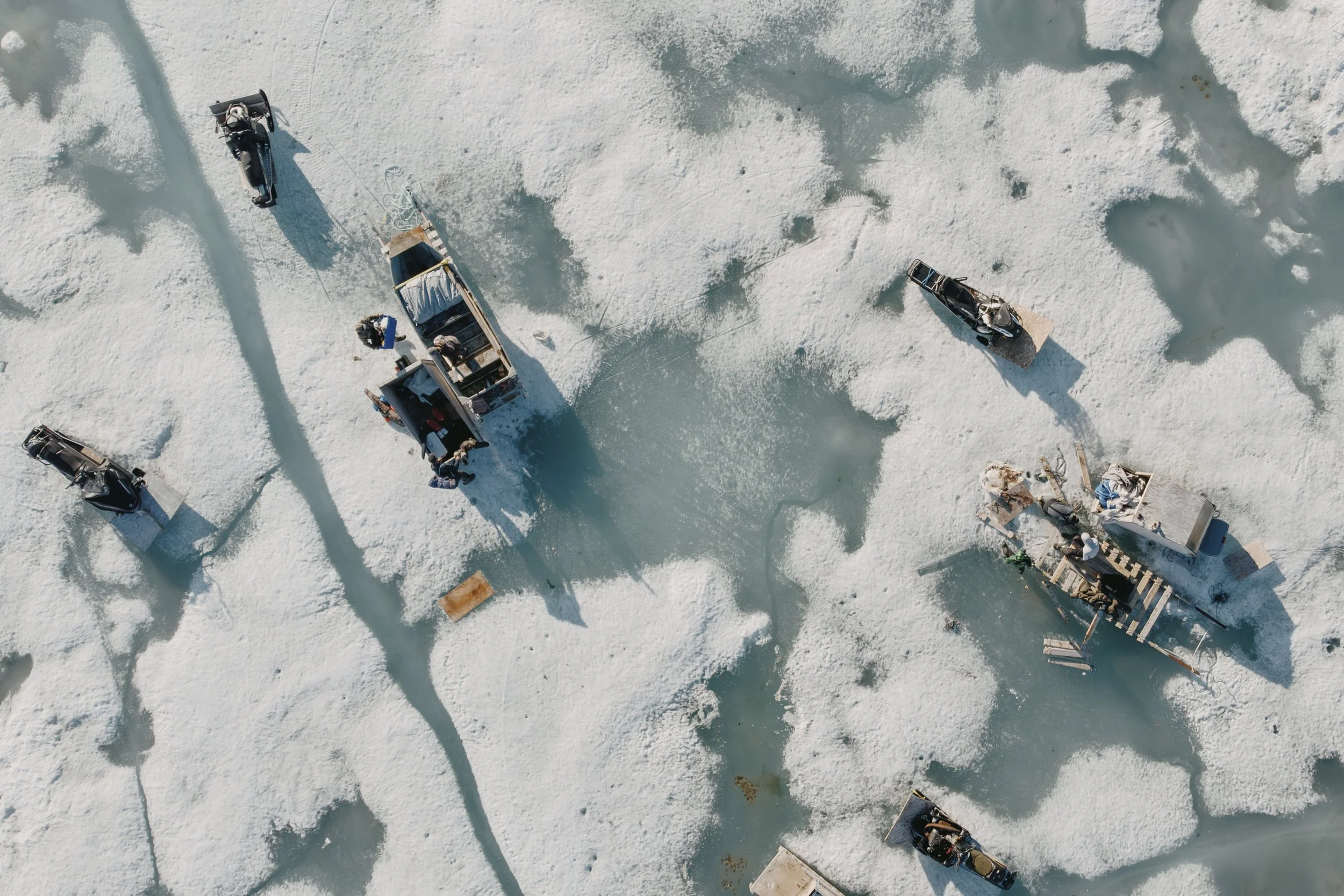
À travers l’Arctique, les conditions environnementales évoluent d’une manière qui influence les déplacements et l’accès à la nourriture tirée du territoire. Les bénéficiaires de l’Initiative Trebek travaillent avec des partenaires nordiques et autochtones pour suivre ces changements, en combinant des outils scientifiques aux savoirs autochtones et locaux afin d’éclairer les décisions prises au sein des communautés.
DANS CE NUMÉRO :
TREBEK DANS L’ARCTIQUE : Bruno Tremblay travaille avec des communautés pour mesurer la glace de mer qui influence les déplacements et la sécurité. Malkolm Boothroyd suit les caribous dans des paysages en transformation. Susan Kutz surveille la santé des bœufs musqués dans un Arctique en réchauffement. Patrick Kane documente l’insécurité alimentaire et les pratiques traditionnelles dans des communautés nordiques.
EXPANSION DE LA GESTION DU FEU DIRIGÉE PAR LES AUTOCHTONES :après le soutien initial de l’Initiative Trebek, la bénéficiaire de l’Initiative Trebek 2023, Kira Hoffman, a poursuivi sa collaboration avec la Nation Gitanyow grâce à un nouveau financement fédéral. En 2025, la Nation Gitanyow s’est associée à d’autres Premières Nations pour partager des pratiques de brûlage culturel et renforcer les capacités locales.
RÉVÉLÉ PAR LE DÉGEL : la bénéficiaire de l’Initiative Trebek 2024, Taylor Roades, suit la fonte d’anciennes plaques de glace sur les plateaux alpins du Yukon, documentant les artefacts culturels mis au jour et les pratiques de récupération menées avec les Premières Nations de Champagne et d’Aishihik
PRIX ET DISTINCTIONS DES BÉNÉFICIAIRES : distinctions récentes reçues par des bénéficiaires de l’Initiative Trebek. Leur travail sur le terrain et leurs récits gagnent en reconnaissance au Canada et à l’international.
Photo Credit: Patrick Kane. .
TREBEK DANS
L’ARCTIQUE
Suivre les transformations de l’environnement qui influencent les déplacements et la vie quotidienne dans l’Arctique canadien.
Les changements environnementaux dans l’Arctique influencent les décisions du quotidien. La glace se forme et se transforme différemment d’une saison à l’autre. Les déplacements de la faune sont plus difficiles à prévoir. L’accès aux sources alimentaires traditionnelles est moins stable. Ces réalités influencent la manière dont les communautés se déplacent et tirent leur nourriture du territoire.
Les projets présentés dans ce numéro reflètent un travail soutenu sur le terrain et sur la glace. Ils s’appuient sur les savoirs de détenteurs de connaissances autochtones, de chasseurs et d’observateurs locaux dont l’expérience repose sur des décennies passées sur le territoire. L’approche est concrète : comprendre comment les conditions évoluent et quelles connaissances permettent d’assurer des déplacements et des activités de subsistance en toute sécurité.
Comment l’évolution de la glace de mer influence les déplacements et la sécurité
Bruno Tremblay - Suivi de l’épaisseur de la glace de mer
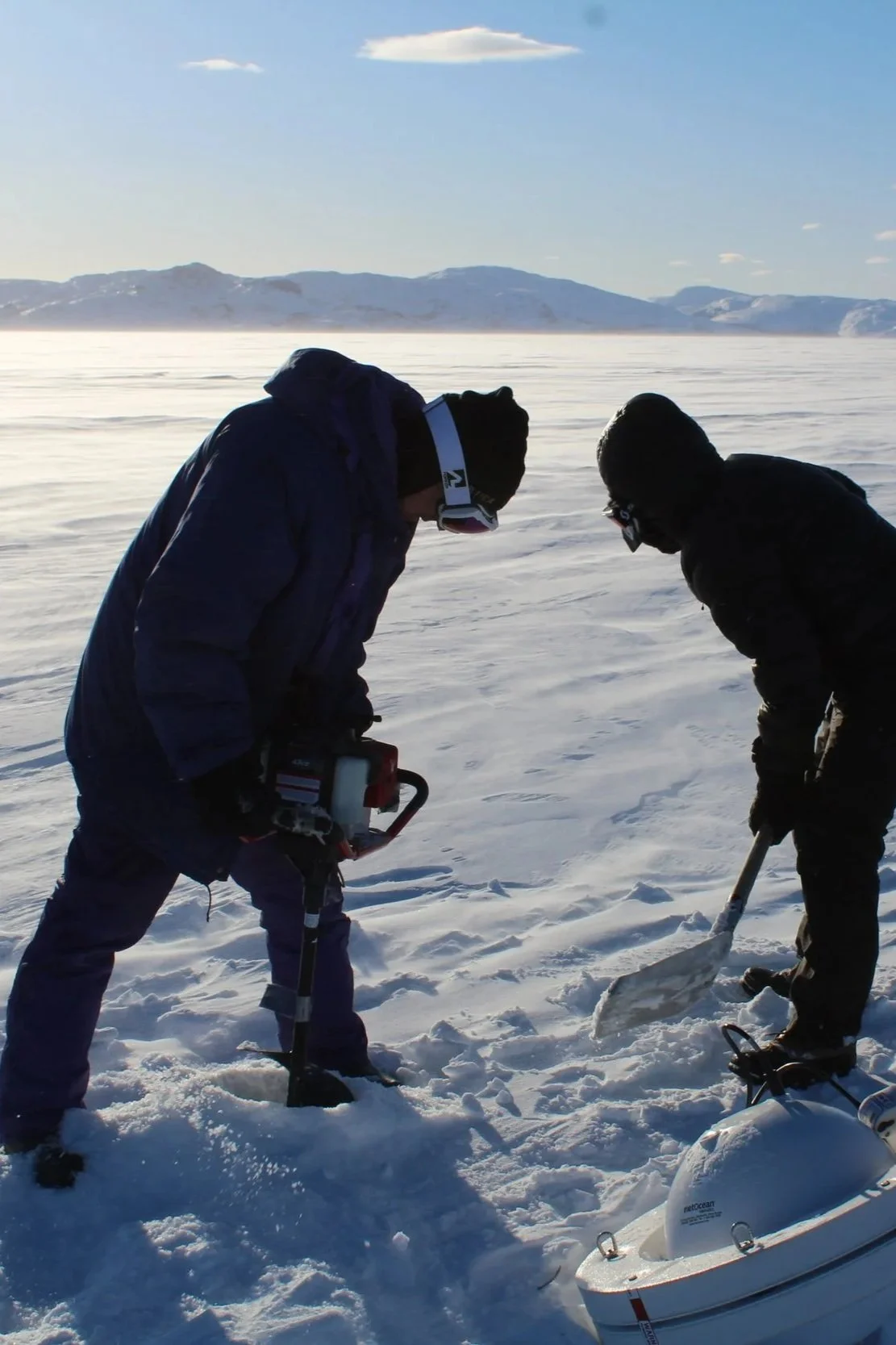
Bruno Tremblay
Bénéficiaire de l’Initiative Trebek 2022
Dans de nombreuses communautés de l’Arctique, les déplacements hivernaux reposent sur la capacité à évaluer si la glace est fiable. La variabilité accrue de l’épaisseur et de la stabilité de la glace de mer rend ces décisions plus difficiles et réduit les périodes propices aux déplacements sécuritaires sur la glace côtière. Cette variabilité reflète non seulement le réchauffement des températures de l’air, mais aussi les variations de l’épaisseur du couvert neigeux, qui peut isoler la glace et ralentir sa formation.
Bruno Tremblay a travaillé avec des communautés nordiques pour concevoir et tester une bouée rechargeable et à faible coût permettant de mesurer l’épaisseur de la glace avant le gel complet. Après un essai concluant durant l’hiver 2024–2025, le déploiement s’étend à d’autres communautés afin d’éclairer les décisions liées aux déplacements hivernaux. En combinant l’expérience locale sur la glace avec des outils simples et robustes, le projet améliore l’accès à des données en temps réel et renforce le suivi de la glace par les communautés.
Suivre les déplacements du caribou dans un paysage en transformation
Malkolm Boothroyd · Marcher avec les caribous
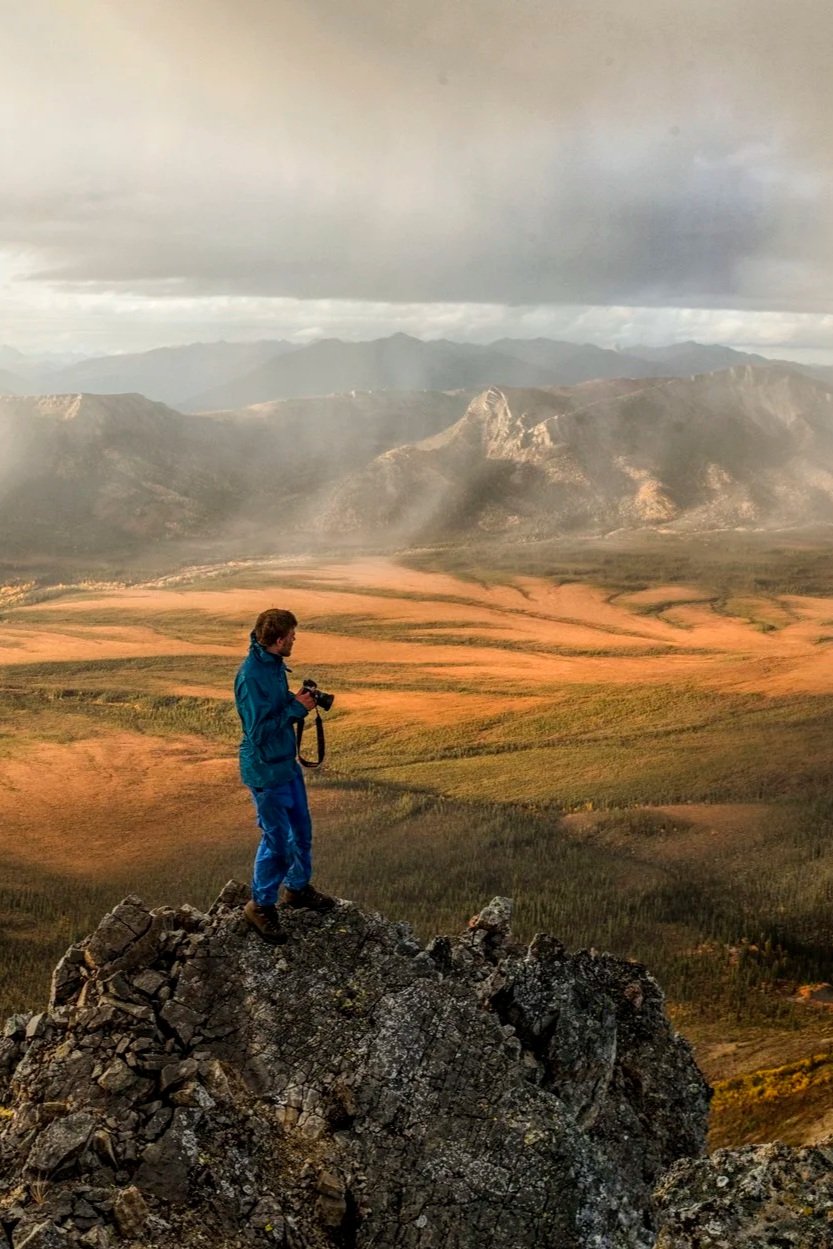
Malkolm Boothroyd
Bénéficiaire de l’Initiative Trebek 2023
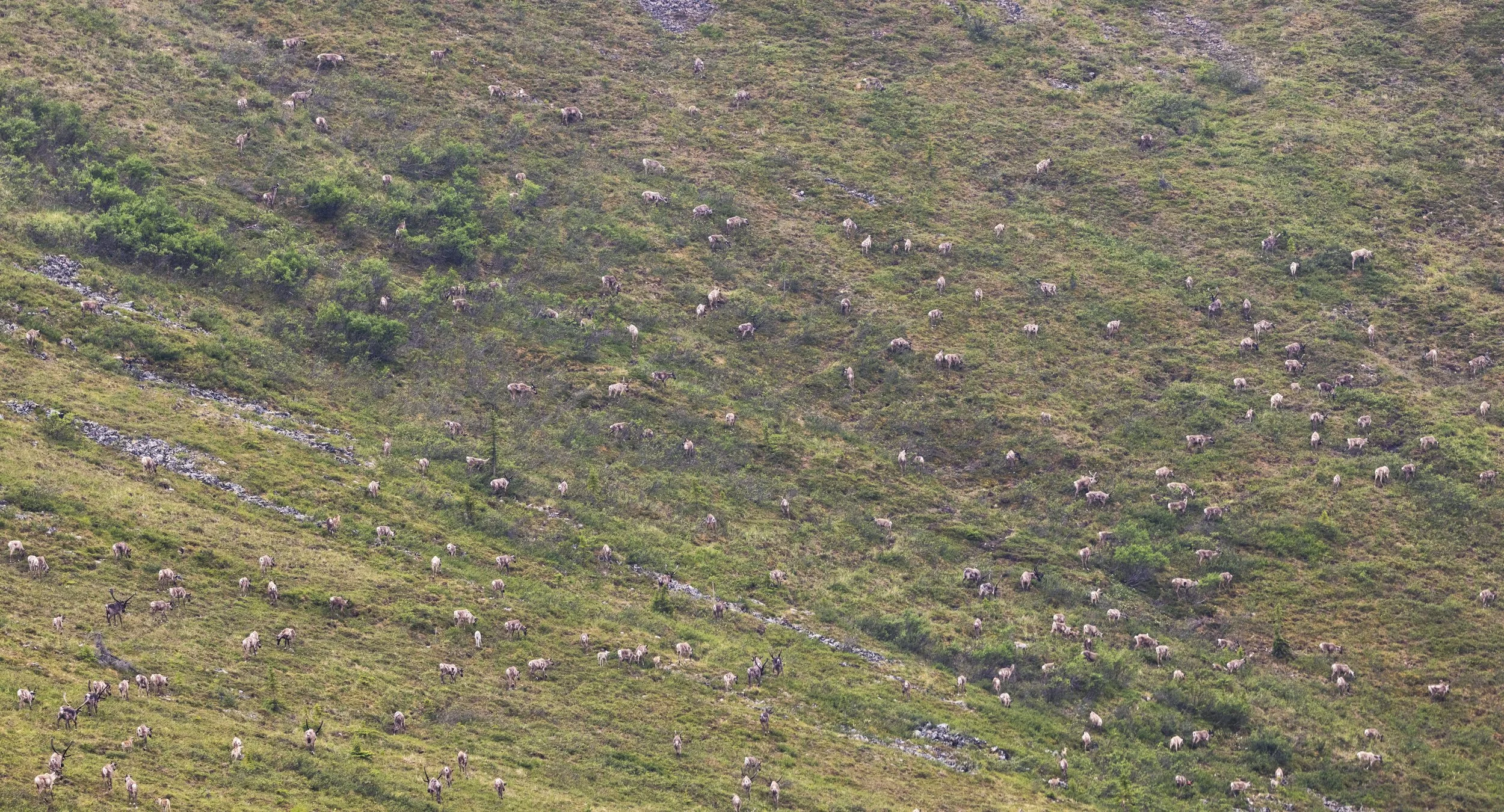
Les migrations de caribous continuent d’orienter les décisions saisonnières dans le Nord, même si l’accès aux troupeaux devient plus limité. Les pressions du développement, de l’aménagement du territoire et du climat modifient les déplacements du caribou.
Malkolm Boothroyd a travaillé avec des partenaires de la Première Nation des Tr’ondëk Hwëch’in pour documenter le troupeau de caribous de Fortymile par la photographie et des récits ancrés dans les communautés. Le projet montre comment les déplacements du caribou influencent les décisions d’aménagement du territoire au Yukon. Ses reportages pour The Narwhal, dont «Yukon’s Fortymile caribou and the future of land-use planning », relient les déplacements du troupeau aux décisions actuelles en matière d’habitat et de développement.
Ce que révèle la santé des bœufs musqués dans un Arctique en réchauffement
Susan Kutz · Carences en oligo-éléments chez les bœufs musqués dans un Arctique en transformation
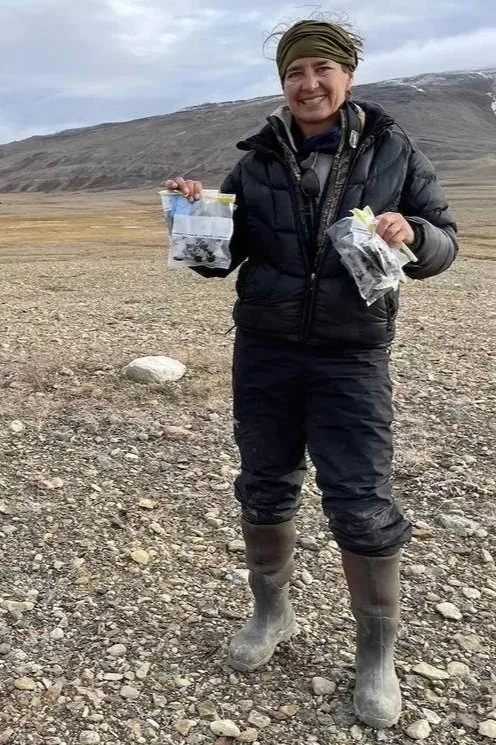
Susan Kutz
Bénéficiaire de l’Initiative Trebek 2023
Les changements observés dans la santé des bœufs musqués peuvent servir de signaux précoces d’un stress environnemental plus large. Le réchauffement modifie la qualité du fourrage, l’exposition aux parasites et la disponibilité des nutriments, avec des répercussions pour les animaux et pour les communautés qui dépendent de cette ressource.
Susan Kutz et son équipe ont travaillé avec des partenaires nordiques pour évaluer la santé des bœufs musqués grâce à des échantillonnages sur le terrain et à un suivi mené avec les communautés. Ses recherches ont confirmé des niveaux très faibles de sélénium dans les troupeaux de l’île Somerset et ont contribué à enrichir une base de données sur la santé de la faune arctique, en établissant des liens entre les oligo-éléments et les tendances des populations. Ces travaux ont également contribué à sensibiliser le public, notamment grâce à une couverture dans Canadian Geographic, dont l’article « Muskoxen: the tundra’s ultimate survivors. ».
Sécurité alimentaire et avenir des pratiques de subsistance
Patrick Kane · Accès à une alimentation saine dans le Nord

Patrick Kane
Bénéficiaire de l’Initiative Trebek 2021
Dans de nombreuses communautés nordiques, l’accès à la nourriture dépend de bien plus que du prix. Les changements dans les populations animales, la hausse des coûts et la disponibilité limitée d’aliments culturellement appropriés influencent ce sur quoi les ménages peuvent compter au quotidien.
Patrick Kane a documenté la sécurité alimentaire dans les Territoires du Nord-Ouest et au Nunavut par la photographie et le reportage, en s’intéressant à la manière dont les populations composent avec le coût et la disponibilité des aliments achetés et issus du territoire. Son travail a été publié dans Canadian Geographic, notamment dans l’article « Nunavut’s Hunt for Healthy Food », qui montre comment les ménages nordiques gèrent l’accès à la nourriture et les pratiques de subsistance au quotidien.
Photo Credit: Malkolm Boothroyd
RÉVÉLÉ PAR LE DÉGEL
PROJET VEDETTE | Taylor Roades - The Ice Patch Project
À mesure que les plaques de glace alpines du Yukon fondent sous l’effet des changements climatiques, elles révèlent des outils et des équipements de chasse restés gelés pendant des milliers d’années. Lors de la fonte tardive en été, ces objets apparaissent dans un état fragile et peuvent se détériorer rapidement une fois exposés à l’air et à la lumière.
Mené en partenariat avec les Premières Nations de Champagne et d’Aishihik, de Carcross/Tagish, de Kwanlin Dün, de Kluane, ainsi qu’avec le Teslin Tlingit Council et le Ta'an Kwäch'än Council, et en collaboration avec le Programme d’archéologie du Yukon, l’Ice Patch Project documente, récupère et conserve ces matériaux avant qu’ils ne soient perdus.
Taylor Roades a photographié ce travail sur le terrain et en laboratoire, capturant à la fois les artefacts et les personnes qui en assurent la conservation, leur histoire, ainsi que les communautés des Premières Nations engagées aujourd’hui dans la gestion de ces sites.
Les découvertes s’étendent sur plus de 8 000 ans et mettent en lumière des technologies de chasse sophistiquées ainsi que des réseaux d’échange à longue distance à travers le nord du Canada aujourd’hui. Des matériaux organiques comme les plumes, les tendons et le cuir offrent un aperçu rare de l’histoire de la chasse dans la région et des savoirs traditionnels des Premières Nations, rarement conservés dans les archives archéologiques.
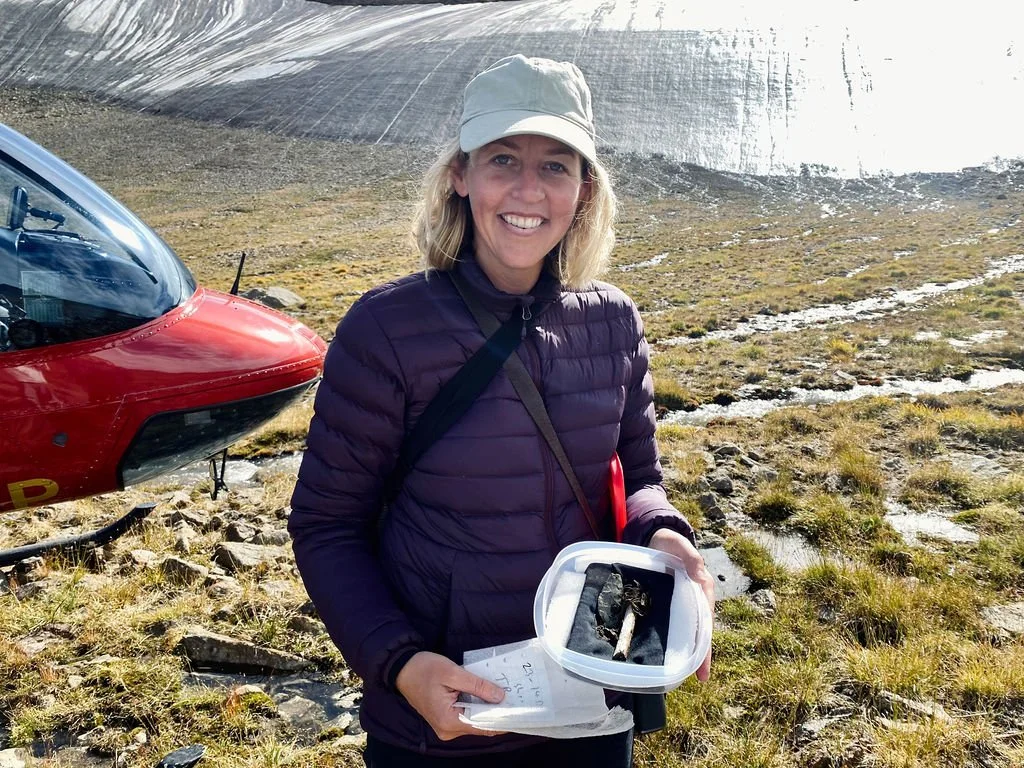
Taylor Roades
RÉSULTATS DU PROJET :
Datations au radiocarbone couvrant plus de 8 000 ans
Plus ancien empennage en plumes intact découvert sur un site de plaque de glace
Matériaux liés à des réseaux d’échange à longue distance
Préservation exceptionnelle d’artefacts organiques
Récupération et conservation menées en partenariat avec des Premières Nations

Pointe de dard en bois de cervidé à rainures, vieille de 8 100 ans, conçue pour accueillir des microlames. Des lames de chert y étaient fixées à l’aide de résine d’épinette. Les rainures, qui s’étendent d’une extrémité à l’autre, contenaient autrefois des inserts de pierre très tranchants. Découverte sur le territoire traditionnel des Premières Nations de Champagne et d’Aishihik.

Extrémité brisée d’un dard de jet vieux de 5 000 ans, munie d’une pointe en obsidienne. Des analyses par fluorescence X ont permis de retracer la pierre jusqu’au mont Hoodoo, révélant des réseaux d’échange à longue distance dans la région.

Les plaques de glace en altitude du Yukon ont longtemps préservé des matériaux organiques sur les territoires traditionnels des Premières Nations de Champagne et d’Aishihik. Avec le réchauffement, la fonte s’accélère et des objets restés gelés pendant des millénaires réapparaissent.
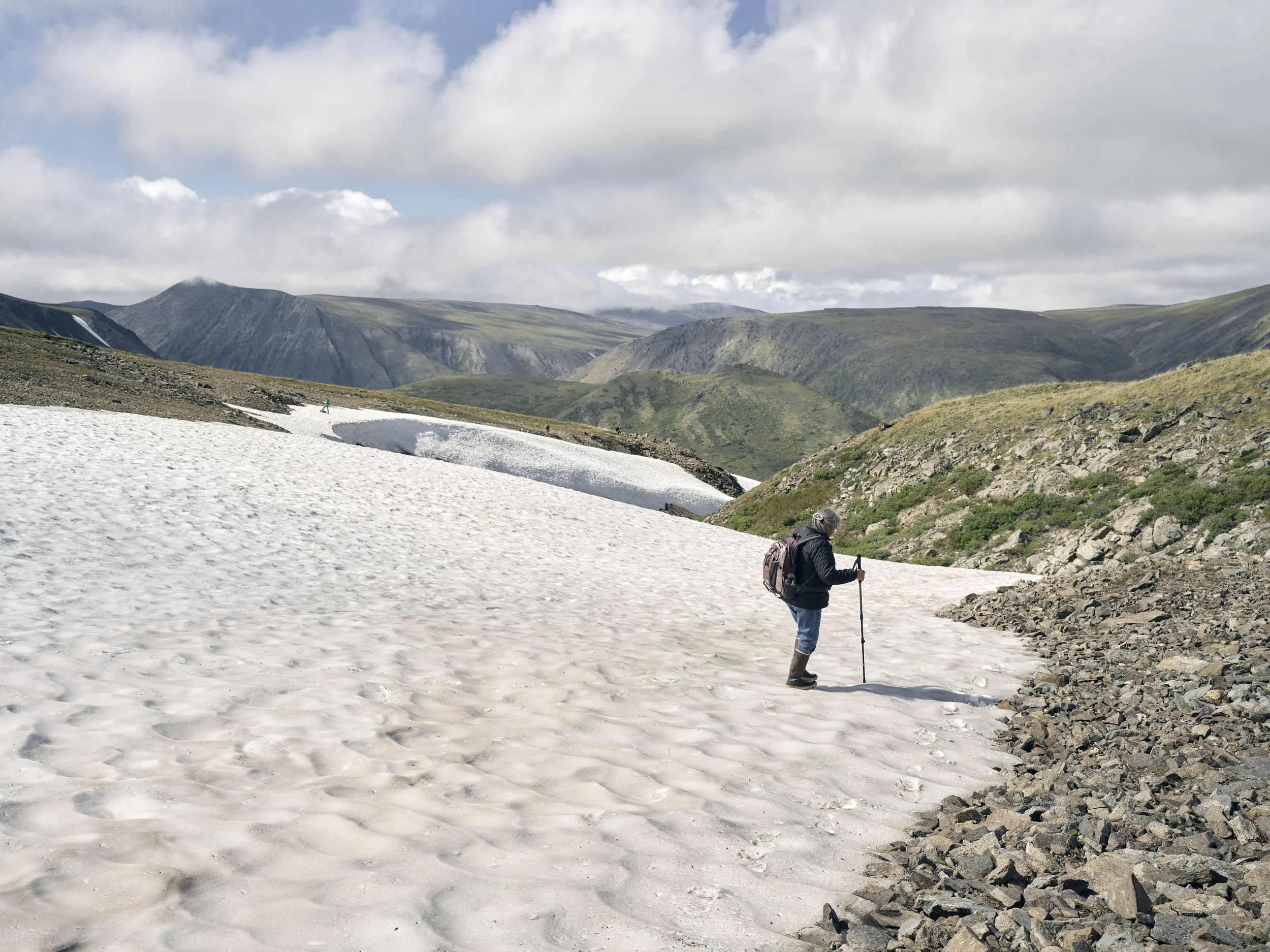
À la fin de l’été, les équipes de recherche se déplacent avec précaution sur des névés alpins en retrait, sur des territoires de chasse ancestraux, afin de documenter les artefacts mis au jour, sous la direction des Nations dont ces territoires portent l’histoire.

Dard de chasse vieux de 6 000 ans, remarquablement préservé, fabriqué à partir de trois pièces de bouleau liées ensemble. Il présente une pointe en chert et un empennage en plumes d’aigle, le plus ancien exemple intact documenté à ce jour. Des analyses de résidus indiquent l’utilisation de castoréum.
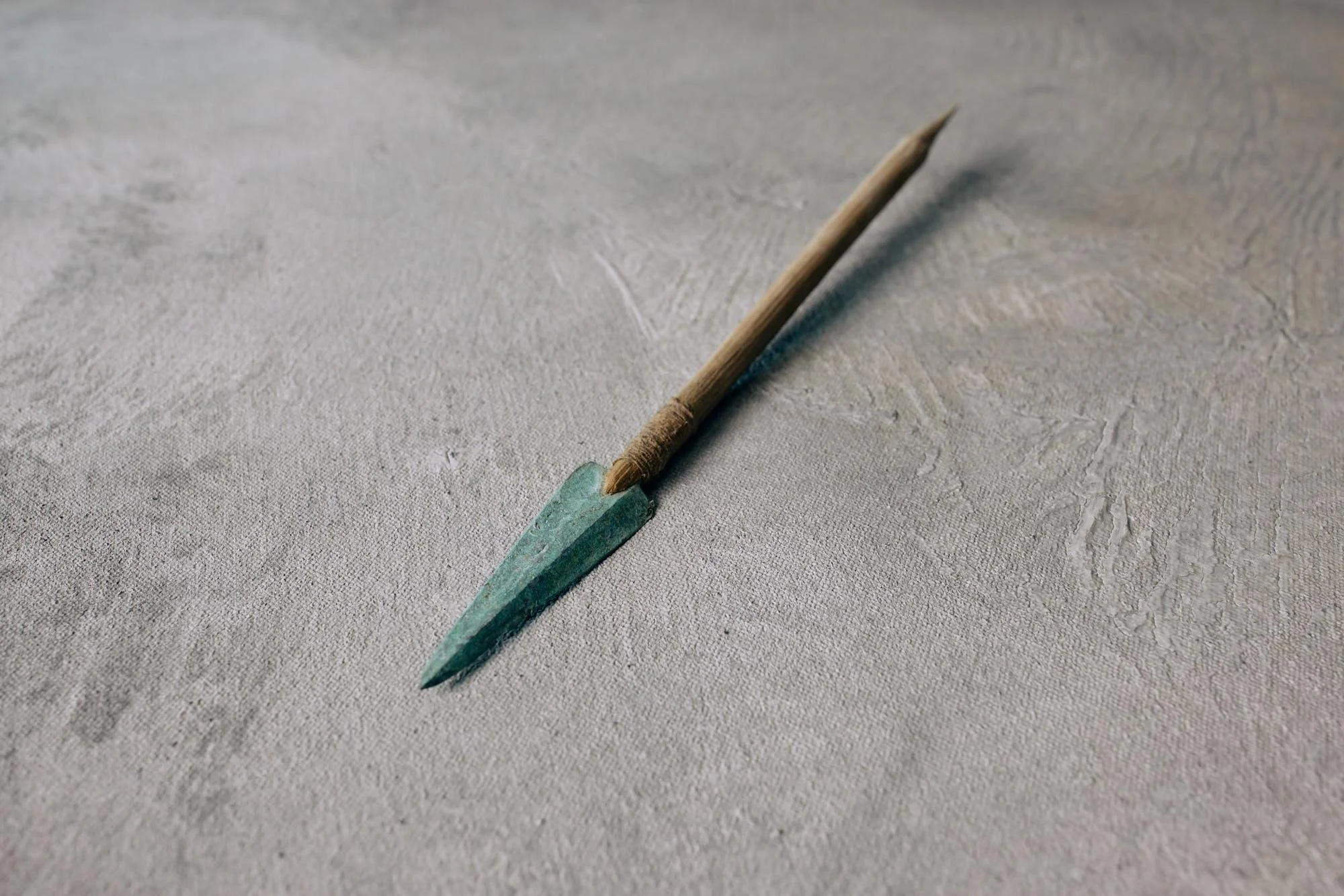
Pointe de flèche en bois de cervidé vieille de 900 ans, munie d’une lame terminale en cuivre natif. Matériau précieux, le cuivre évoque ici un certain statut. Découverte sur des territoires traditionnels partagés par les Premières Nations de Carcross/Tagish et de Kwanlin Dün.
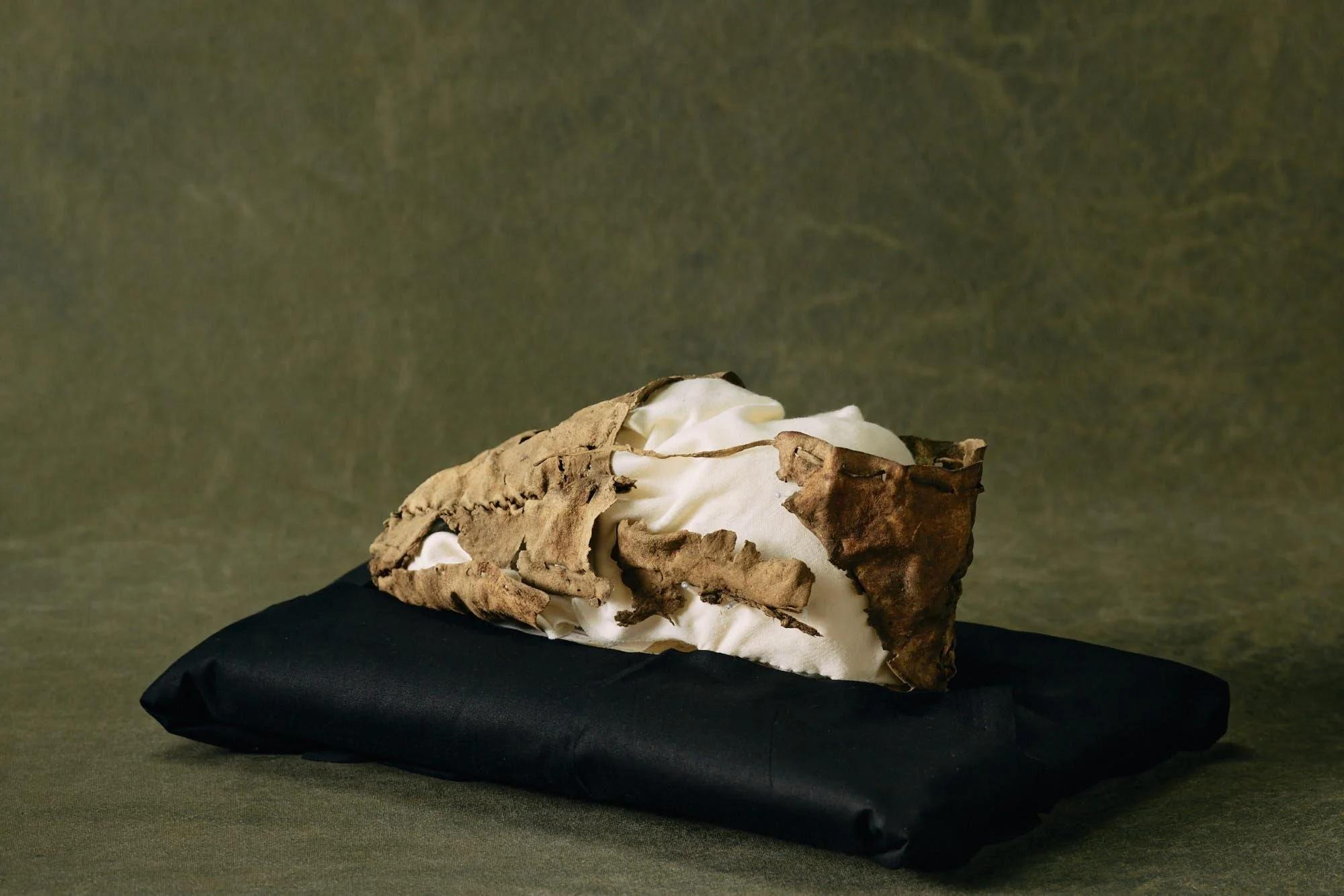
Mocassin traditionnel vieux de 1 400 ans, récupéré dans la glace en fonte et conservé avec soin. Sa fabrication correspond aux traditions dénées et témoigne d’une continuité culturelle chez les peuples de langues na-dénées.
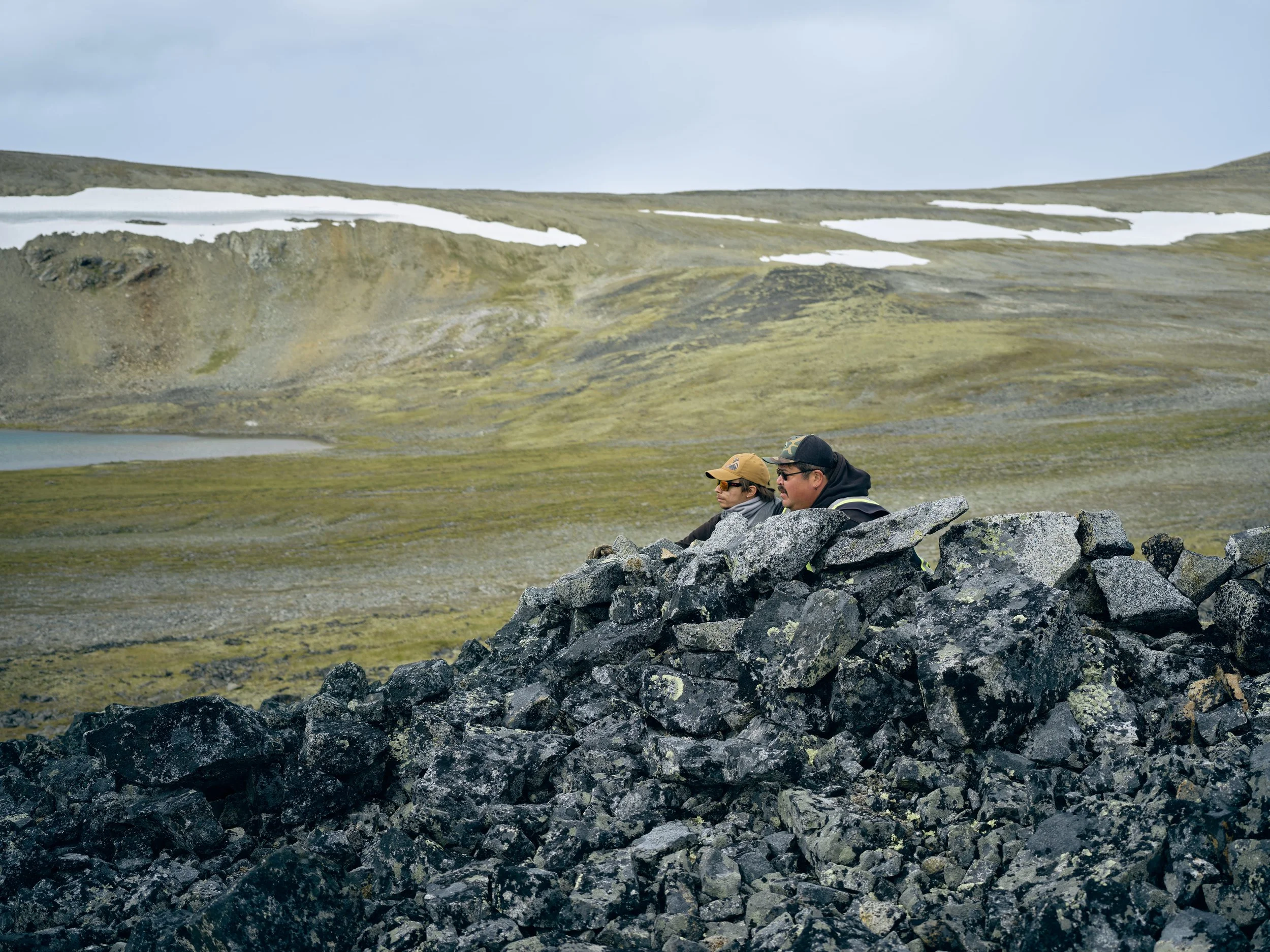
Des caches de chasse en pierre jalonnent encore les routes empruntées par les caribous depuis des générations par les ancêtres des Premières Nations de Champagne et d’Aishihik. Les découvertes issues des plaques de glace relient ces paysages durables à des outils et matériaux préservés depuis des millénaires.
GESTION DU FEU AUTOCHTONE EN EXPANSION
IMPACT AU-DELÀ DE LA SUBVENTION TREBEK | Kira Hoffman - Fighting Fire with Food
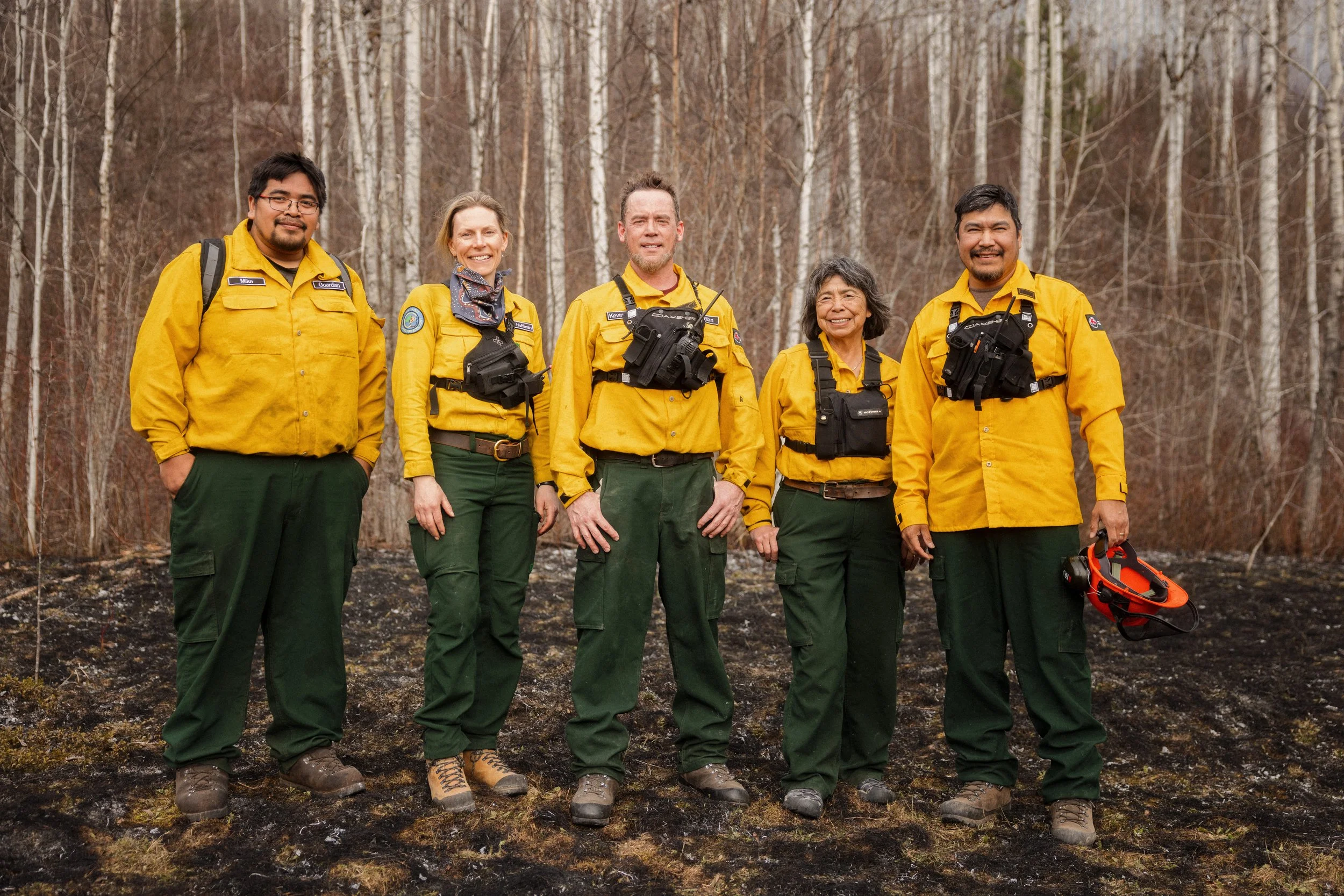
S’appuyant sur le soutien initial du programme Trebek, le partenariat de Kira Hoffman avec la Nation Gitanyow s’est élargi pour devenir un modèle de gestion du feu dirigée par les Autochtones.
Dans le nord-ouest de la Colombie-Britannique, les brûlages culturels ont façonné les écosystèmes forestiers pendant des générations. L’utilisation intentionnelle du feu permettait de régénérer les zones de petits fruits tout en favorisant une abondance de plantes alimentaires et médicinales. Ces pratiques ont été supprimées pendant plus d’un siècle, contribuant au risque d’incendies de forêt auquel font face de nombreuses communautés et écosystèmes.
Dans le cadre de son projet soutenu par Trebek, Fighting Fire with Food, la Dre Kira Hoffman a collaboré avec les Gitanyow Huwilp pour réintroduire les pratiques de feu culturel sur leur Lax’yip (territoire). Ce travail a réuni des recherches écologiques sur le terrain et des savoirs autochtones liés au feu afin de mieux comprendre comment les brûlages intentionnels soutiennent la santé des forêts et renforcent la sécurité alimentaire des communautés. Voir l’histoire complète.
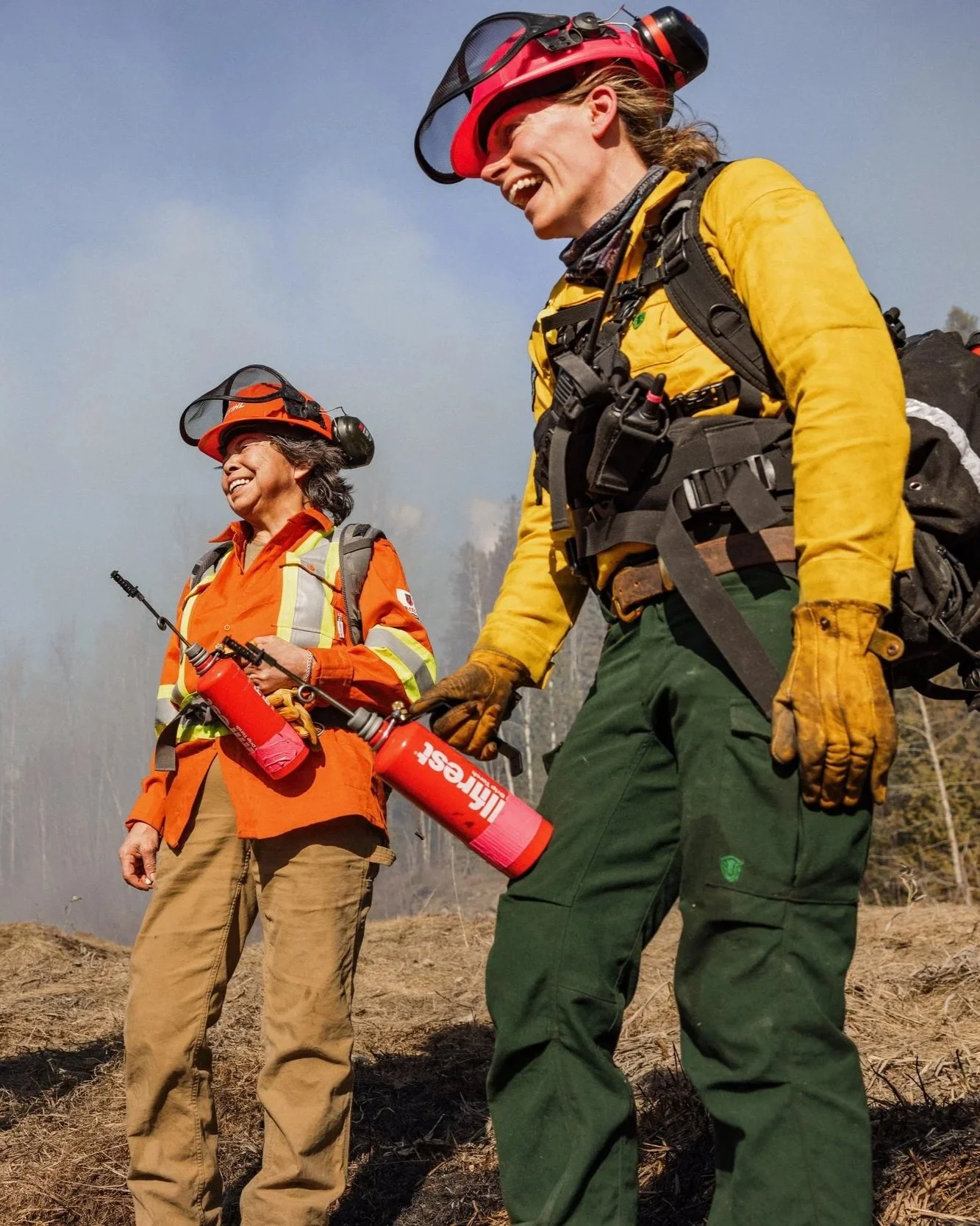
La Dre Kira Hoffman et l’aînée Darlene Vegh conjuguent science occidentale et savoirs autochtones pour rétablir le feu culturel au Lax’yip Gitanyow.
RÉSULTATS DU PROJET :
Brûlages culturels réalisés sur plus de 200 hectares du Lax’yip Gitanyow
Suivi et évaluation des brûlages codirigés par les Gitanyow Lax’yip Guardians, selon des indicateurs alignés sur leurs priorités et leurs valeurs
En 2025, l’équipe Gitanyow est devenue une unité certifiée de pompiers forestiers de type 2, renforçant sa capacité d’intervention et de brûlage culturel
Les échanges avec des organismes provinciaux ont permis d’intégrer le feu culturel dans les zones d’exploitation forestière
Une zone de récolte de bois près de la communauté est désormais gérée par le feu pour favoriser les bleuetières, améliorant la sécurité alimentaire tout en réduisant le risque d’incendie
Les connaissances et les méthodes issues du projet soutenu par Trebek sont maintenant partagées avec trois Premières Nations voisines
PRIX ET DISTINCTIONS DES BÉNÉFICIAIRES
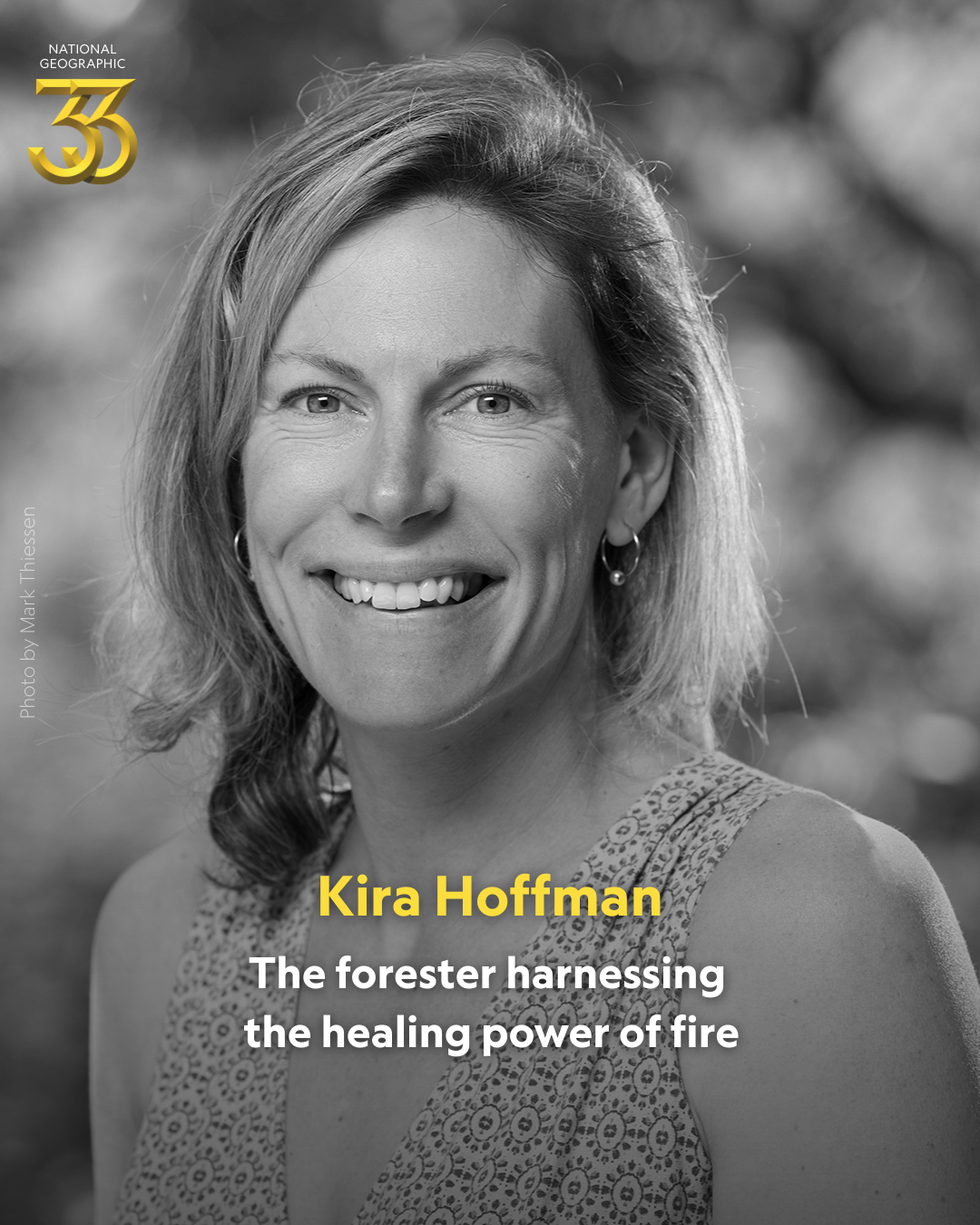
2023 TREBEK GRANTEE | KIRA HOFFMAN | Fighting Fire with Food
Kira Hoffman a été nommée parmi les 33 Changemakers 2026 de National Geographic, qui reconnaît des personnes engagées à améliorer le monde.
Écologiste du feu et exploratrice pour National Geographic, elle contribue à faire évoluer la compréhension et la gestion du feu, en démontrant comment les pratiques de feu culturel peuvent prévenir les mégafeux, restaurer les écosystèmes et renforcer la résilience des communautés. Ses collaborations avec des communautés des Premières Nations participent à un mouvement mondial vers l’utilisation de brûlages intentionnels de faible intensité pour soutenir la santé des écosystèmes et la sécurité alimentaire. En savoir plus.
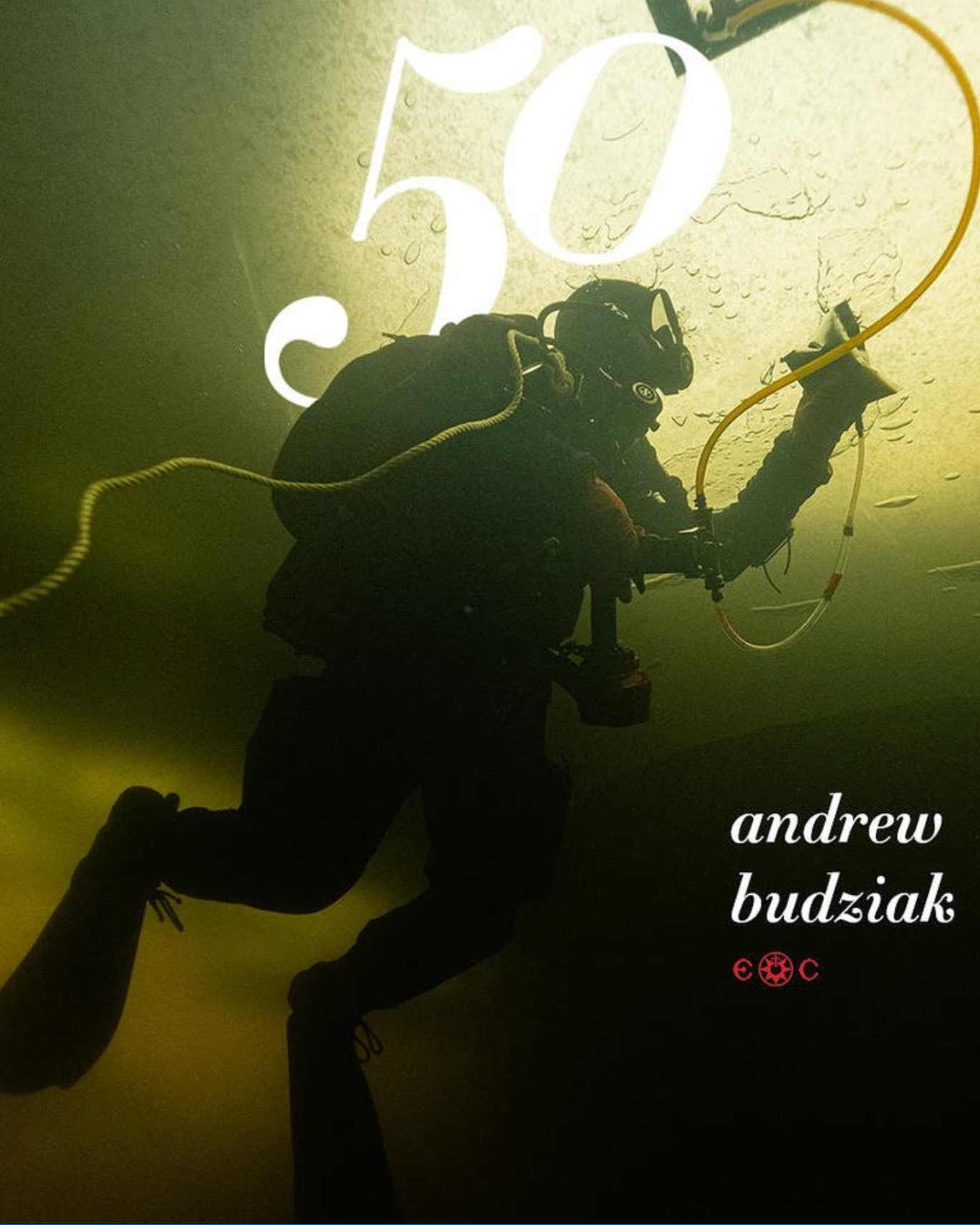
2023 TREBEK GRANTEE | ANDREW BUDZIAK | Under the Ice
Andrew Budziak a été nommé à la promotion 2026 de l’Explorers Club 50, qui met en lumière des scientifiques de terrain façonnant l’avenir de l’exploration et de la découverte.
Ses travaux portent sur les écosystèmes d’eau douce en hiver, lorsque les lacs semblent inactifs mais demeurent biologiquement actifs sous la glace. Par des recherches de terrain soutenues et un travail visuel, il met en lumière le fonctionnement de ces systèmes sous glace et les enjeux liés à la diminution du couvert de glace. Son initiative, Freeze the Future, réunit scientifiques et volontaires formés autour de recherches en plongée sous glace afin de mieux comprendre les écosystèmes d’eau douce dans un climat en réchauffement. En savoir plus.
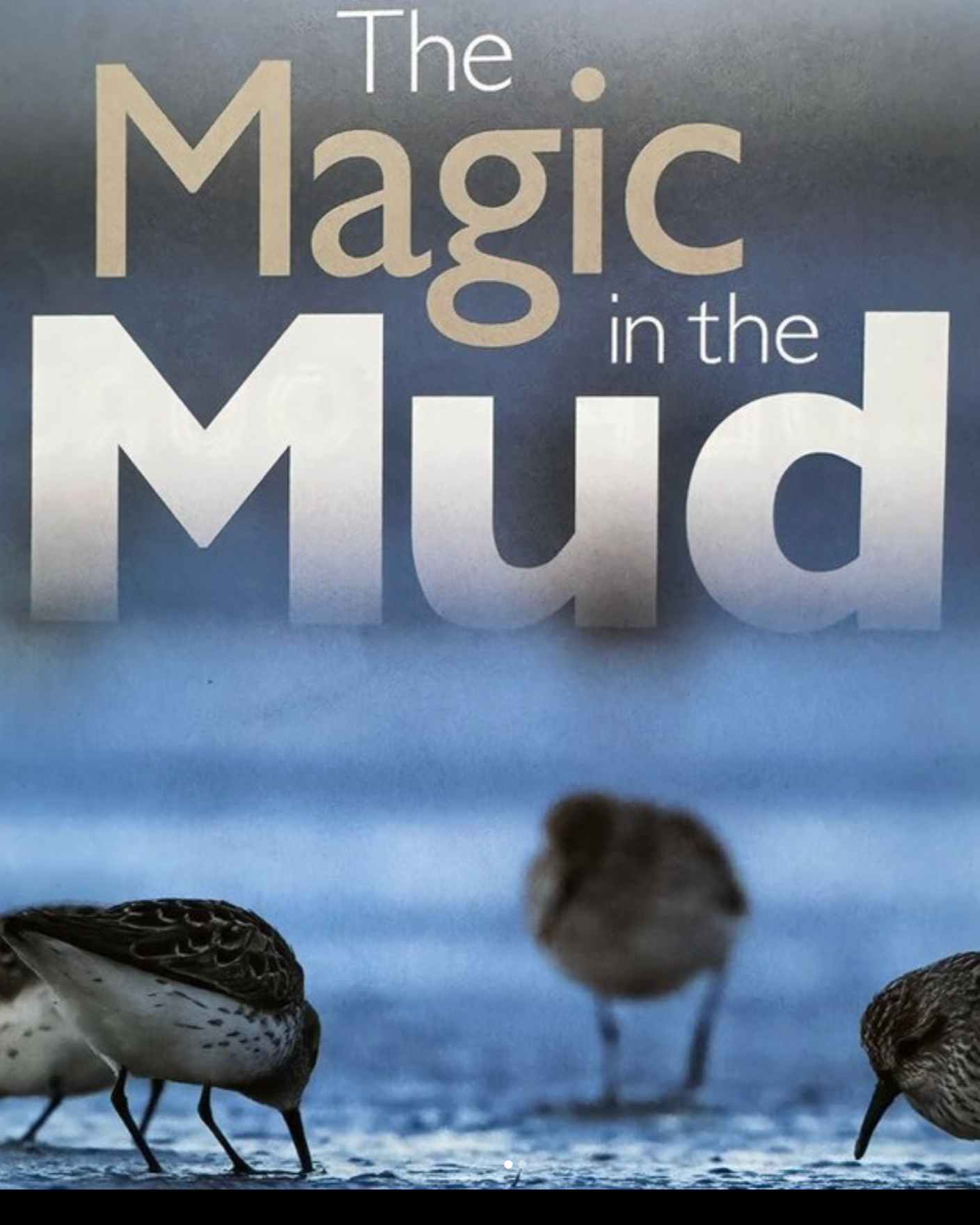
2024 TREBEK GRANTEE | ISABELLE GROC | Shorebirds: Sentinels Of The Mudflats
Isabelle Groc a reçu le prix argent 2025 des AAAS Kavli Science Journalism Awards pour son reportage publié dans Canadian Geographic feature, The Magic in the Mud. Ces prix comptent parmi les distinctions internationales les plus prestigieuses en journalisme scientifique, et Isabelle était la seule Canadienne récompensée cette année.
Son reportage explore le rôle du biofilm dans la migration des bécasseaux et met en lumière la complexité des vasières le long de la voie migratoire du Pacifique. Par un récit rigoureux, elle éclaire un système fragile qui soutient l’un des grands mouvements migratoires au monde.
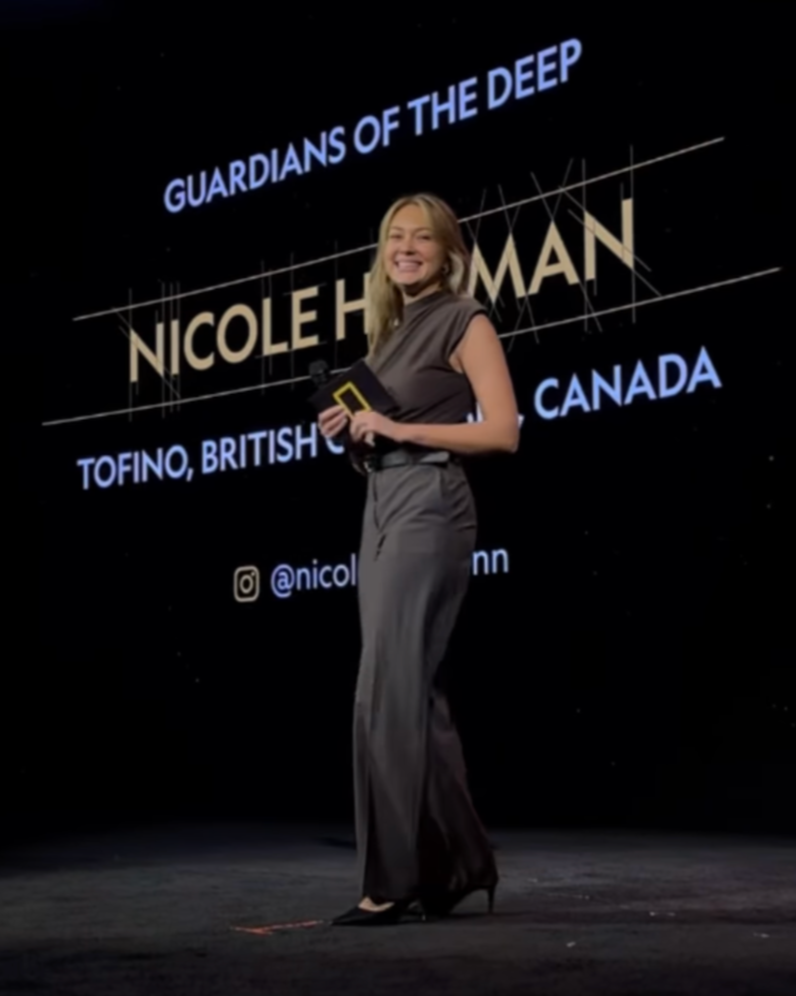
2025 TREBEK GRANTEE | NICOLE HOLMAN | Deep-Sea Guardians
Nicole Holman a présenté son projet Deep-Sea Guardians: Protecting Our Planet’s Last Frontier lors du National Geographic Storytellers Summit 2026, dans le cadre de la série Works in Progress, un forum sur invitation où les explorateurs partagent des travaux en cours avec la communauté mondiale de National Geographic.
Soutenu par l’Initiative Trebek, son court métrage explore les profondeurs marines du Canada et le travail des scientifiques qui cherchent à comprendre et préserver ces écosystèmes encore méconnus. Cette présentation sur une scène de National Geographic marque une étape importante, portant des observations de terrain à un public international de leaders en exploration et en narration.
ÉVÉNEMENTS À VENIR
Dans le cadre d’un nouveau partenariat avec Exploring By The Seat Of Your Pants, des bénéficiaires de l’Initiative Trebek échangent avec des élèves à travers des expériences de terrain virtuelles en direct. Créée par l’explorateur de National Geographic Joe Grabowski, la plateforme a rejoint plus de 1,5 million d’élèves dans plus de 113 pays. Ce printemps, des bénéficiaires de l’Initiative Trebek commencent à animer des sessions virtuelles, apportant leur travail directement dans les salles de classe.
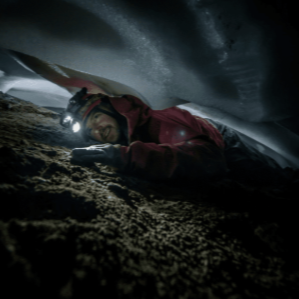
2 avril 2026 | 12 h 30 à 13 h 15 (HE)
2021 TREBEK GRANTEE
Exploring By The Seat of Your Pants - Wild Caving with Christian Stenner
Plongez dans certains des environnements les plus sombres et uniques de la Terre : des grottes formées par l’interaction entre la glace glaciaire et la chaleur volcanique, créant des milieux à la fois froids et chauds. Christian Stenner a exploré certaines des plus grandes et des plus profondes grottes glaciovolcaniques au monde. Ces grottes permettent de mieux comprendre l’activité volcanique, les changements climatiques, les micro-organismes extrêmes qui y survivent, ainsi que la façon dont on pourrait un jour découvrir la vie sur d’autres planètes.
Christian Stenner

National Geographic Live présente des explorateurs de premier plan à des publics à travers le Canada dans le cadre d’une série d’événements en direct. Ces rencontres prolongent le travail de terrain dans l’espace public, reliant les publics aux personnes et aux idées qui façonnent notre compréhension du monde.
22–24 mars 2026 | Toronto (Ontario)
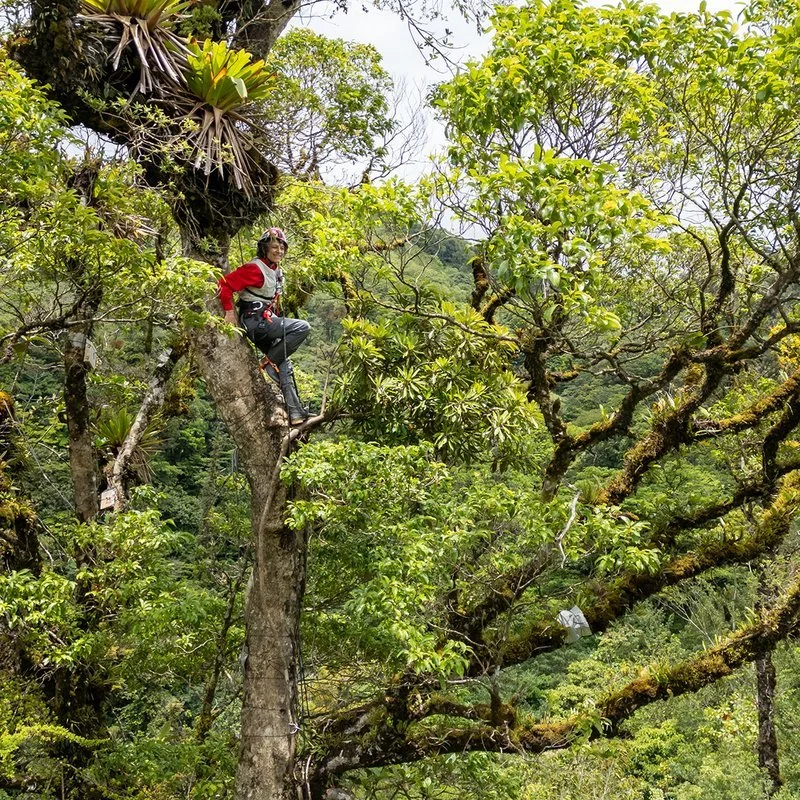
National Geographic Live - Nalini Nadkarni: From Roots to Canopy
Montez dans la canopée avec l’écologiste Nalini Nadkarni pour découvrir le monde caché dans les cimes des arbres.
31 mai, 1er–2 juin 2026 | Toronto (Ontario)
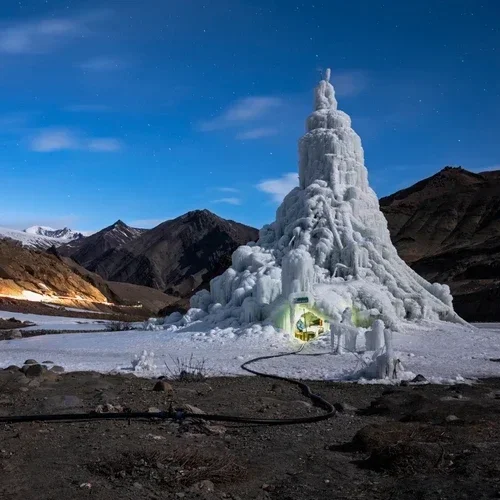
National Geographic Live - Alizé A. Carrère: Adaptation
L’exploratrice de National Geographic Alizé Carrère montre comment des communautés s’adaptent aux bouleversements climatiques grâce aux savoirs locaux et au design écologique. De l’agriculture flottante au Bangladesh aux réservoirs de glace en haute altitude en Inde, son travail illustre comment des solutions durables émergent lorsque l’ingéniosité humaine s’aligne sur les systèmes naturels.
19–20 avril 2026 | Calgary (Alberta)

National Geographic Live - Heather Joan Lynch: Penguins of Antarctica
À l’extrême sud de la planète, la vie persiste malgré des conditions extrêmes. L’écologiste quantitative et exploratrice de National Geographic Heather Lynch suit les colonies de manchots à travers la glace de mer et les eaux libres, révélant un continent loin d’être vide, animé par des oiseaux marins et une vie marine façonnés par des changements rapides.
31 mai, 1er juin 2026 | Calgary (Alberta)
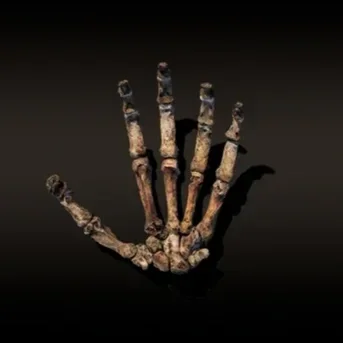
National Geographic Live - Lee R. Berger: Cave of Bones
Dans le système de grottes Rising Star en Afrique du Sud, le paléoanthropologue et explorateur de National Geographic Lee Berger revisite l’histoire humaine. Les fossiles d’un homininé jusqu’alors inconnu suggèrent qu’une espèce au petit cerveau aurait fabriqué des outils, laissé des marques et enterré ses morts, remettant en question nos hypothèses sur les débuts de l’humanité.
21 avril 2026 | Vancouver (Colombie-Britannique)
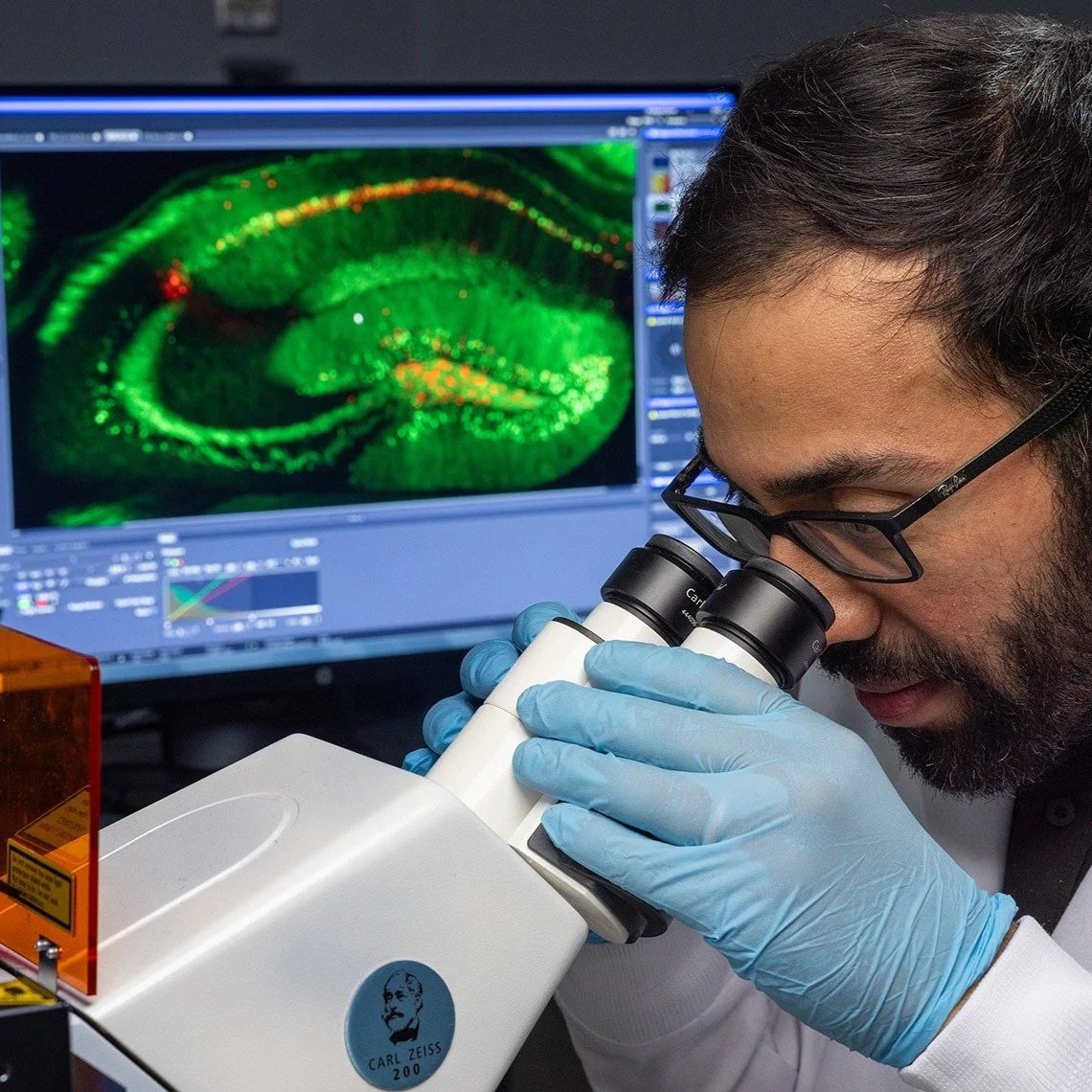
National Geographic Live - Steve Ramirez: Untangling the Mind
Le neuroscientifique et explorateur de National Geographic Steve Ramirez explore la formation et l’évolution des souvenirs et leur influence sur ce que nous sommes. Ses recherches de pointe sur la mémoire ouvrent la voie à des approches qui pourraient réduire les effets du TSPT et de la dépression.
Suivez-nous sur Instagram @trebekinitiative
MERCI
Votre engagement soutient les efforts des bénéficiaires de l’Initiative Trebek pour générer un impact concret partout au Canada, qu’il s’agisse de mieux comprendre des enjeux urgents, de préserver le patrimoine culturel ou d’inspirer la prochaine génération de scientifiques, de conteurs et d’éducateurs.
Ensemble, nous contribuons à susciter une passion pour la préservation partout au Canada.
