
This Quarter at Trebek
Issue #7
| March 25, 2026
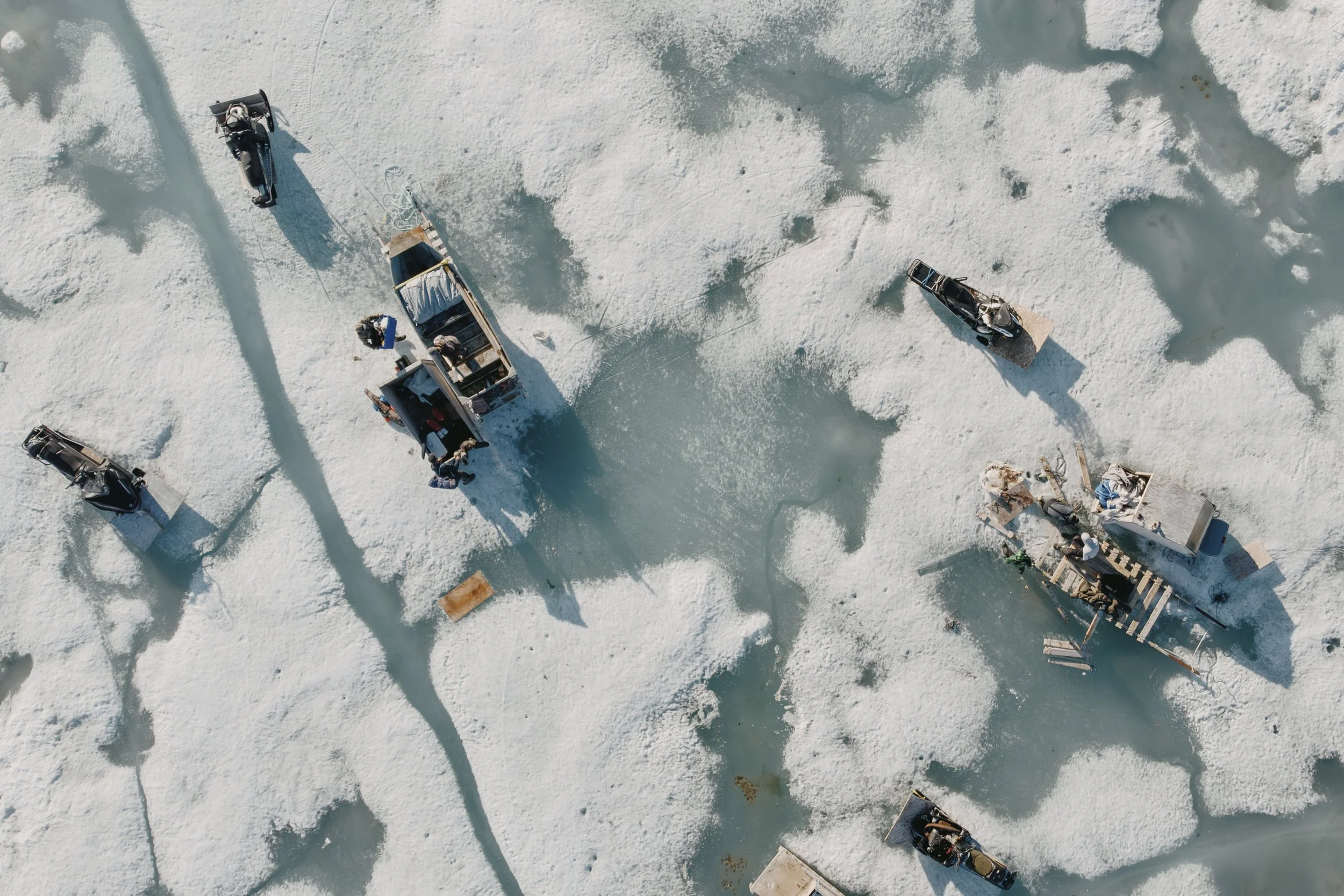
TREBEK IN
THE ARCTIC
Across the Arctic, environmental conditions are shifting in ways that affect how people travel and get food from the land. Trebek Grantees are working with northern and Indigenous partners to track these changes, combining scientific tools with Indigenous and local knowledge to support community decisions.
IN THIS ISSUE:
TREBEK IN THE ARCTIC: Bruno Tremblay works with communities to measure sea ice conditions that shape travel and safety. Malcolm Boothroyd tracks caribou migration. Susan Kutz monitors muskox health in Arctic ecosystems. Patrick Kane documents food insecurity and traditional harvests in northern communities facing rising costs.
EXPANDING INDIGENOUS-LED FIRE STEWARDSHIP: After initial Trebek support, 2023 Grantee Kira Hoffman’s collaboration with the Gitanyow Nation continued through new federal funding. In 2025, the Gitanyow Nation partnered with additional First Nations to share cultural burning practices and strengthen local capacity.
REVEALED BY THE THAW: 2024 Trebek Grantee Taylor Roades is following the melting of ancient ice patches across the Yukon’s high alpine plateaus, recording exposed cultural artifacts and Indigenous-led recovery practices with partners from the Champagne and Aishihik First Nations.
GRANTEE AWARDS + RECOGNITION: Recent honours for Trebek Grantees, reflecting how their fieldwork and storytelling are gaining visibility on national and international stages.
Photo Credit: Patrick Kane. .
TREBEK IN
THE ARCTIC
Tracking environmental shifts shaping travel and life across Canada’s Arctic.
Environmental change in the Arctic is shaping daily decisions. Ice behaves differently from season to season. Wildlife movements are harder to anticipate. Access to traditional foods is less reliable. These shifts influence how people travel and get food from the land across northern communities.
The projects in this issue reflect sustained work on land and ice. They draw on Indigenous knowledge holders, hunters, and local observers whose experience comes from decades on the land. The emphasis is practical: understanding how conditions are changing and which knowledge supports safe travel and harvesting.
How Changing Sea Ice Shapes Travel and Safety
2022 Trebek Grantee
Bruno Tremblay
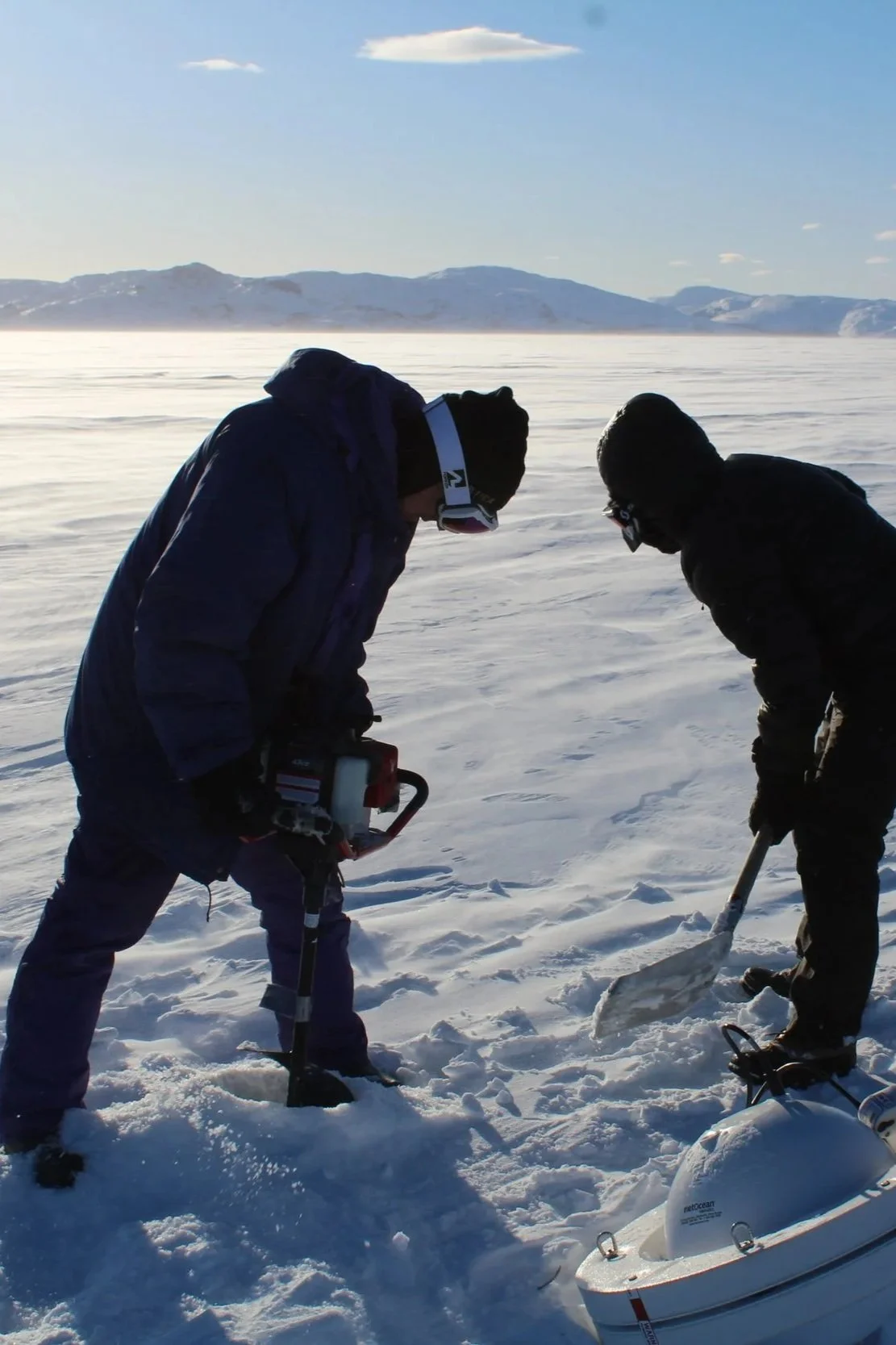
Bruno Tremblay - Early Sea Ice Thickness Monitoring
In many Arctic communities, winter travel depends on knowing when ice can be trusted. Increasing variability in sea ice thickness and stability has narrowed the window for safe movement across landfast ice. Warming air temperatures and changing snow depth, which insulates the ice and slows growth, are contributing to this uncertainty.
Bruno Tremblay worked with northern communities to design and test a low-cost, rechargeable ice-thickness buoy that can be deployed before freeze-up. After a successful prototype trial in winter 2024–2025, deployments are expanding to support local decisions about winter travel. By pairing on-ice experience with durable measurement tools, the project improves access to real-time ice thickness information and strengthens community-led monitoring.
Following Caribou Pathways Across a Changing Landscape
2023 Trebek Grantee
Malkolm Boothroyd
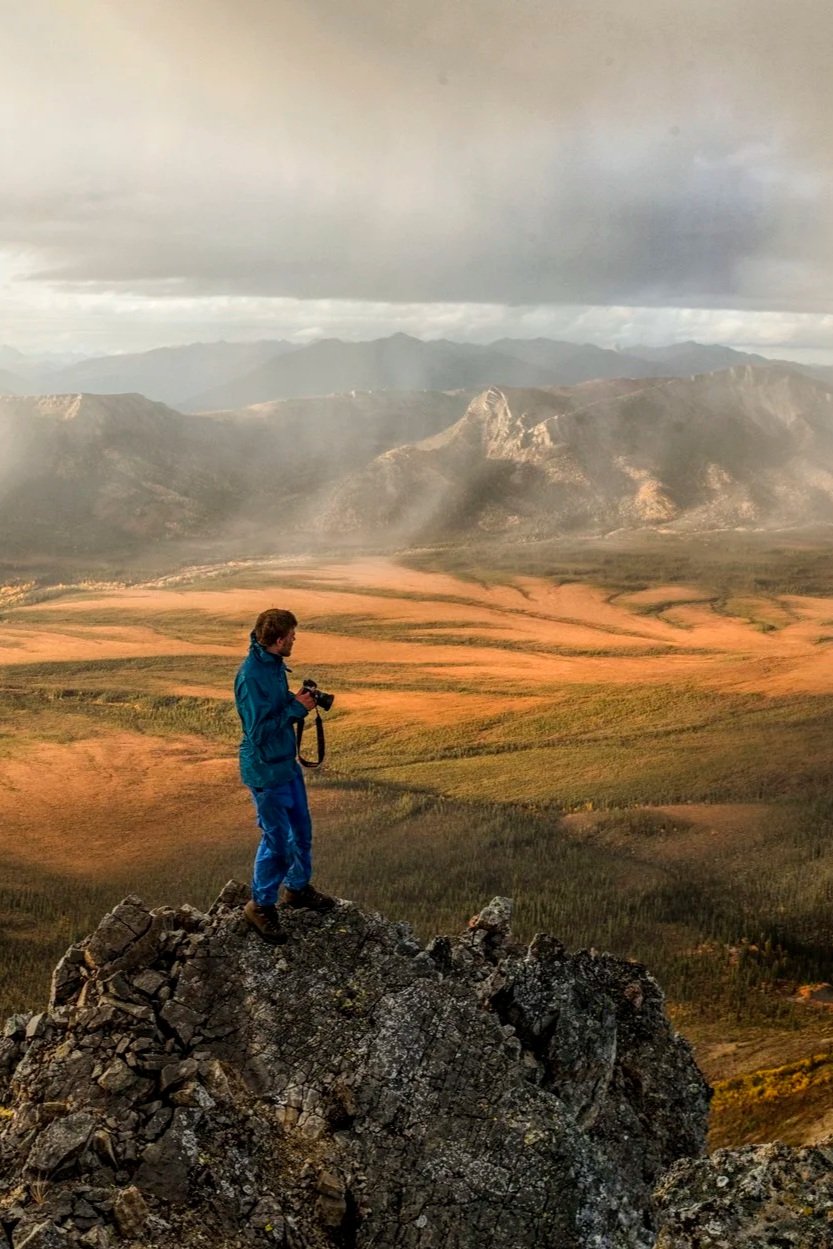
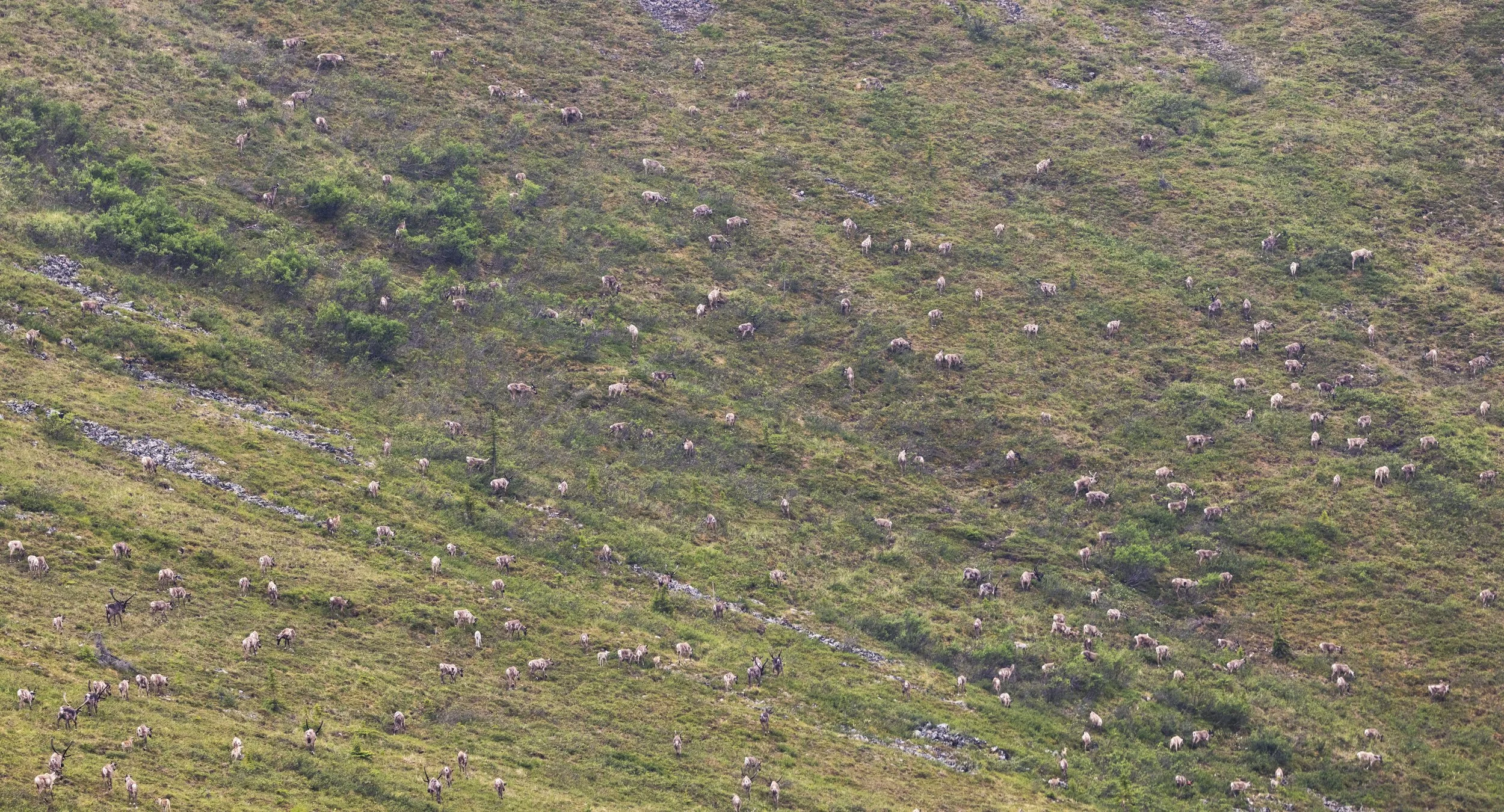
Malkolm Boothroyd · Walking with Caribou
Caribou migrations are one of the iconic phenomena of Canada's north - immense movements of animals that nourish ecosystems and communities, and leave lasting memories in their trail. There has been great concern and focus on herds whose populations have dwindled, but one herd in the Yukon has a very different story.
Malkolm Boothroyd is undertaking a photography and storytelling project focused on the Fortymile caribou herd, which has undergone a remarkable recovery over the past fifty years. Now people are building connections with a herd that for generations was a shadow of a former self, even as climate change and new development pressures pose new challenges. His story for The Narwhal, traces the herd's history, and explores why the land use planning decisions being made now are so important for the herd's future. Read the story in The Narwhal
What Muskox Health Reveals About A Warming Arctic
2023 Trebek Grantee
Susan Kutz
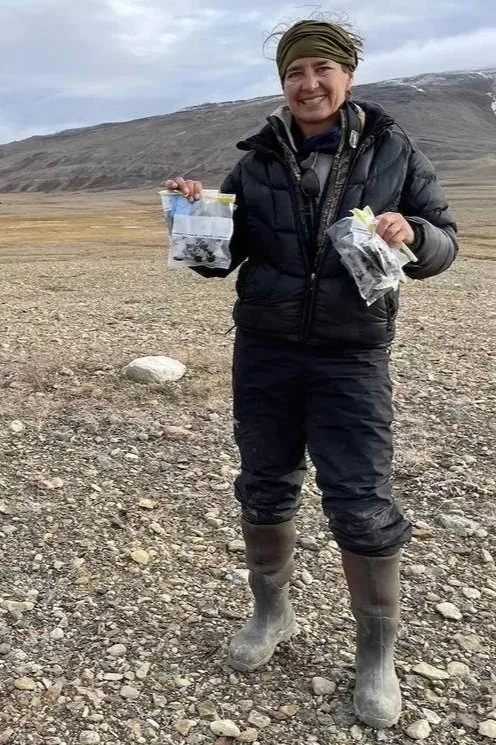
Susan Kutz · Combatting Trace Element Deficiencies in Muskoxen in a Changing Arctic
Changes in muskox health can signal broader environmental stress. Warming conditions are altering forage quality, parasite exposure, and nutrient availability, with consequences for animals and for the communities that rely on muskox harvests.
Susan Kutz and her team worked with northern partners to assess muskox health through field sampling and community-based monitoring. Her research confirmed very low selenium levels across Somerset Island herds and expanded a growing Arctic wildlife health database, linking trace-element status to population trends. This work has contributed to public awareness, including coverage in Canadian Geographic’s Muskoxen: the tundra’s ultimate survivors.
Food Security and the Future of Traditional Harvests
2021 Trebek Grantee
Patrick Kane
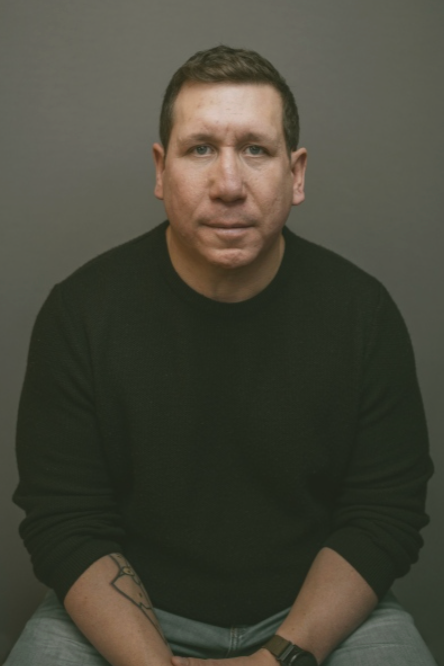
Patrick Kane · The Fight for Healthy Food in Canada’s North
In many northern communities, food access is shaped by more than price alone. Changing wildlife patterns, rising costs, and limited availability of culturally appropriate foods affect what households can rely on each day.
Patrick Kane documented food security in the Northwest Territories and Nunavut through photography and reporting, focusing on how people navigate the cost and availability of both store-bought and harvested foods. His work was published by Canadian Geographic in Nunavut’s Hunt for Healthy Food, highlighting how northern households manage food access and traditional harvests in daily life.
Photo Credit: Malkolm Boothroyd
REVEALED BY THE THAW
FEATURED PROJECT | Taylor Roades - The Ice Patch Project
As alpine ice patches across the Yukon melt in the face of climate change, they expose tools and hunting equipment that have remained frozen for thousands of years. During late summer melt, these objects surface in fragile condition and can deteriorate quickly once exposed to air and sunlight.
Working in partnership with Champagne and Aishihik First Nations, Carcross/Tagish First Nation, Kwanlin Dün First Nation, Kluane First Nation, Teslin Tlingit Council, and Ta'an Kwäch'än Council, in partnership with Yukon Archeology, the Ice Patch Project documents, recovers, and conserves these materials before they are lost.
Taylor Roades photographed the Ice Patch work in the field and in the lab, capturing both the artifacts and the people involved in their care, their history, and the community of First Nations working in Ice Patch stewardship today. The discoveries span more than 8,000 years and highlight sophisticated hunting technologies and long-distance trade networks that extended across what is now Northern Canada. Organic materials such as feathers, sinew, and leather offer rare insights into the region’s hunting history and First Nations’ traditional knowledge, which are seldom preserved in the archaeological record.
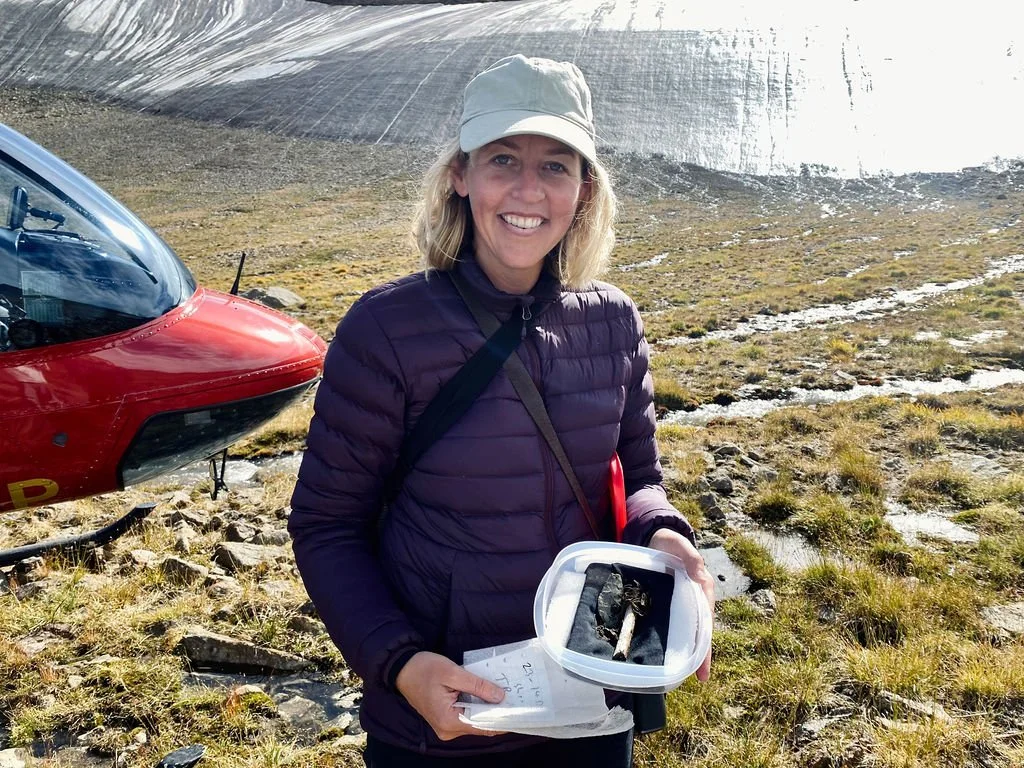
2023 Trebek Grantee | Taylor Roades
Project Outcomes:
• Radiocarbon dates spanning more than 8,000 years
• Oldest intact feather fletching recovered from an ice patch site
• Materials linked to long-distance trade networks
• Exceptional preservation of organic artefacts
• Recovery and conservation led in partnership with First Nations

An 8,100-year-old slotted antler dart point designed to hold microblades. Chert blades were adhered using spruce resin glue. The slots run tip-to-tip and once held razor-sharp stone inserts. Recovered from the traditional territory of Champagne and Aishihik First Nations.

The broken tip of a 5,000-year-old throwing dart is inset with obsidian. X-ray fluorescence testing traced the stone to Hoodoo Mountain, demonstrating long-distance exchange networks across the region.

High-elevation ice patches in the Yukon long preserved organic materials within the traditional territories of the Champagne and Aishihik First Nations. As warming temperatures accelerate melt, tools once held in frozen storage for millennia are emerging into the light.
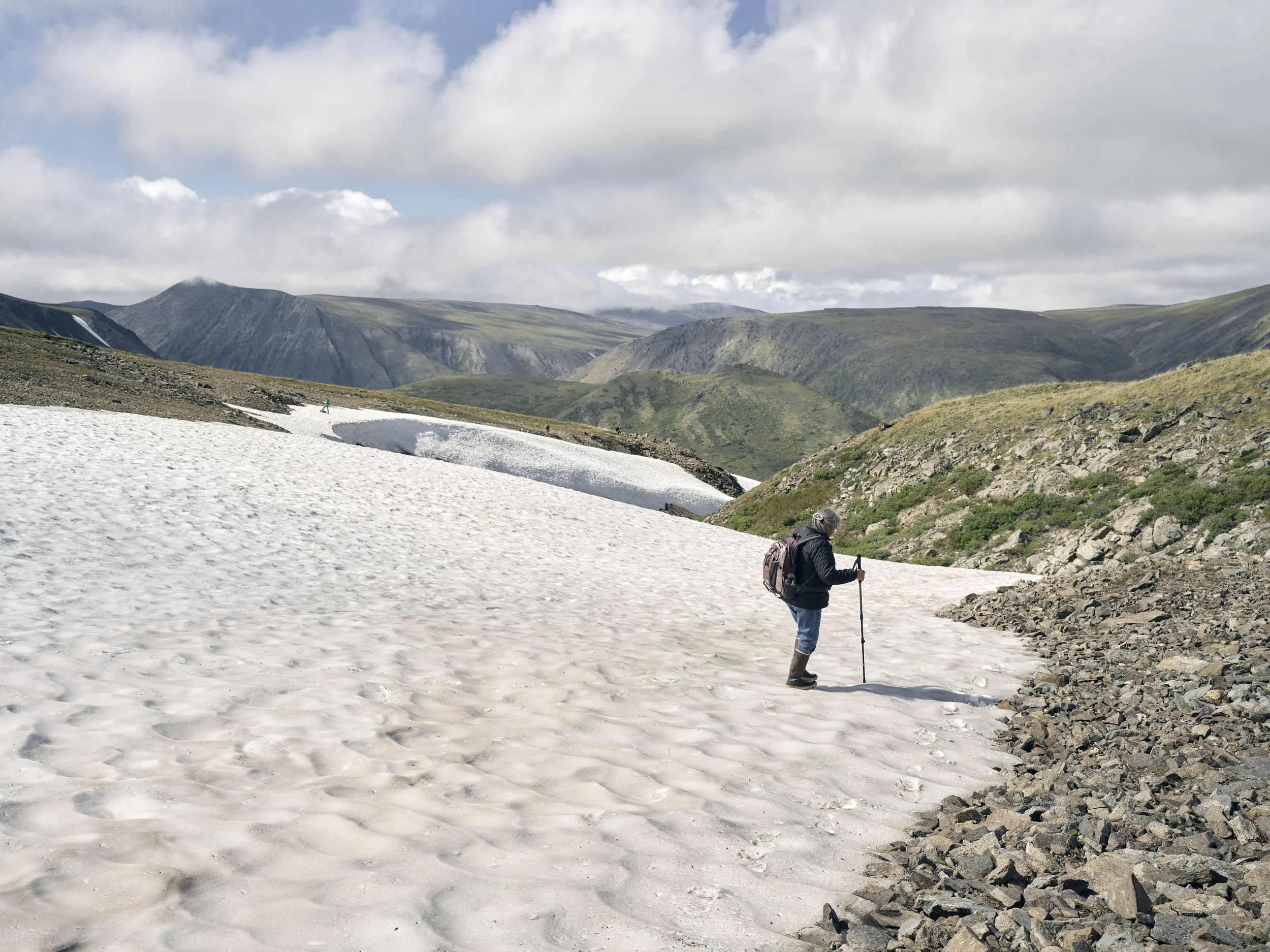
In late summer, researchers move carefully across thinning alpine snowfields on ancestral hunting grounds to document artifacts emerging from retreating ice, under the direction and guidance of the Nations whose territories hold these histories.

An exceptionally preserved 6,000-year-old hunting dart made from three pieces of birch wood tied together. It features a chert point and an eagle feather fletch, the oldest intact example yet documented. Residue analysis indicates parts of the weapon were coated with castoreum.
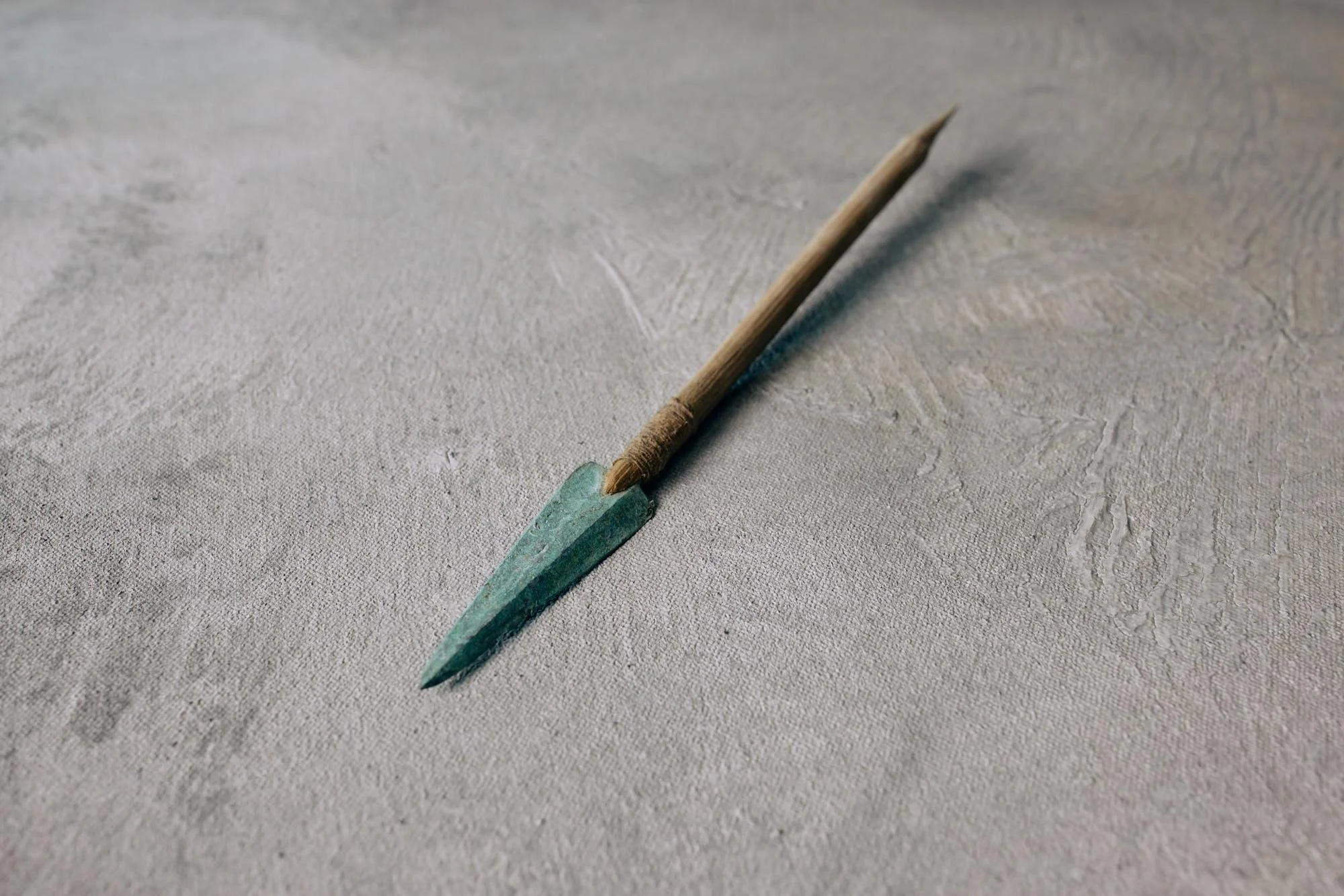
A 900-year-old antler arrowhead featuring a native copper end-blade. Copper was a valued material, and its inclusion suggests status and prestige. Recovered from overlapping traditional territories of Carcross/Tagish and Kwanlin Dün First Nations.
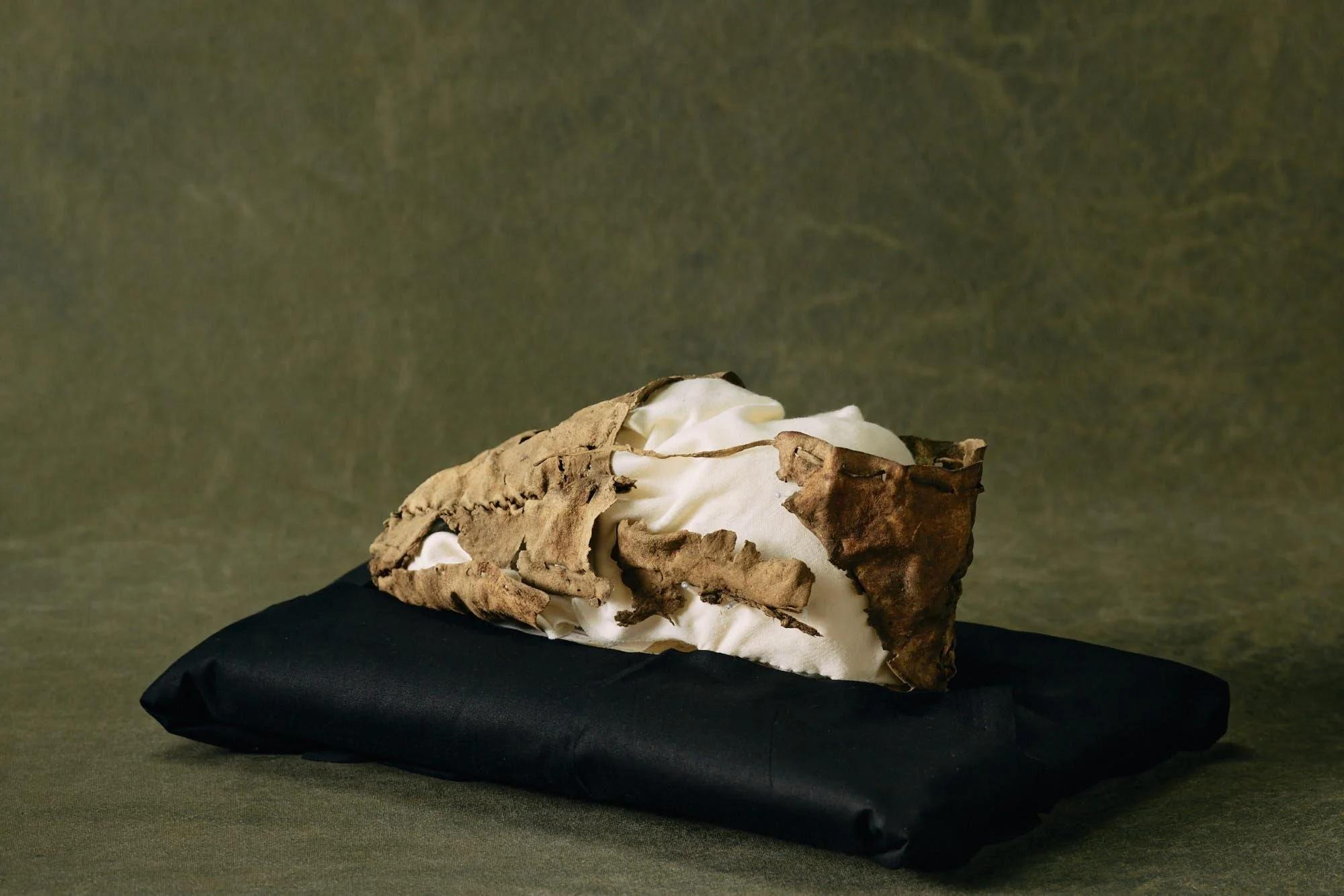
A 1,400-year-old traditional moccasin recovered from melting ice was meticulously conserved. Its construction conforms to traditional Dene footwear design and offers insight into cultural continuity across Na-Dene-speaking peoples.
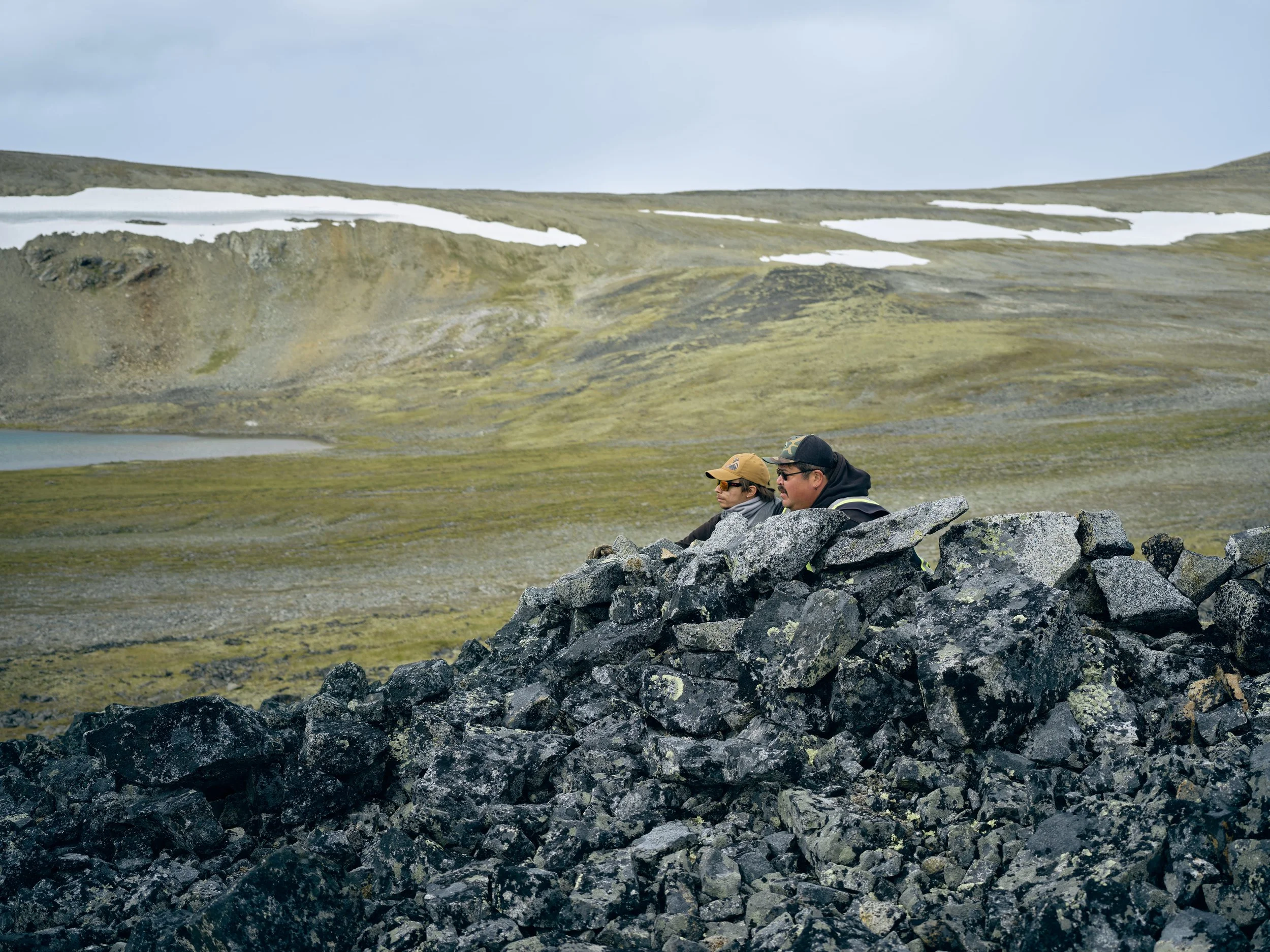
Stone hunting blinds still mark caribou routes used for generations by ancestors of the Champagne and Aishihik First Nations. Ice patch recoveries connect these enduring landscapes to tools and materials preserved for thousands of years.
EXPANDING INDIGENOUS-LED FIRE STEWARDSHIP
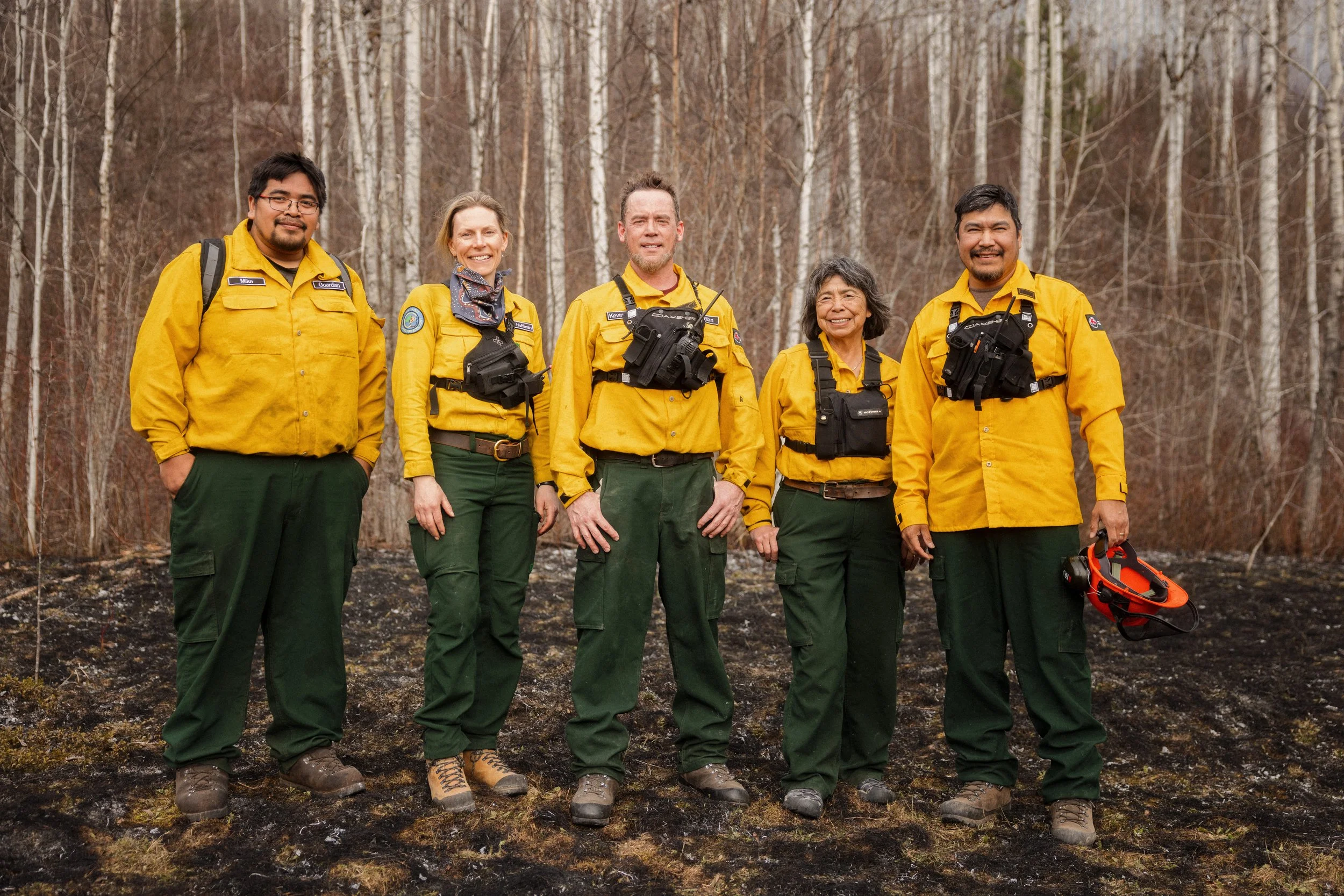
In northwestern British Columbia, cultural burning shaped forest ecosystems for generations. Applying intentional fire renewed berry patches while supporting an abundance of food and medicinal plants. These practices were suppressed for more than a century, contributing to the wildfire risk many communities and ecosystems face.
Through her Trebek-supported project, Fighting Fire with Food, Dr. Kira Hoffman partnered with the Gitanyow Huwilp to return cultural fire practices to their Lax’yip (territory). The work brought together ecological field research and Indigenous fire knowledge to understand how intentional burning supports forest health and enhances community food security. Explore the full story.
Building on initial support from Trebek, Kira Hoffman’s partnership with the Gitanyow Nation has grown into a broader model of Indigenous-led fire stewardship.
IMPACT BEYOND THE TREBEK GRANT | Kira Hoffman - Fighting Fire with Food
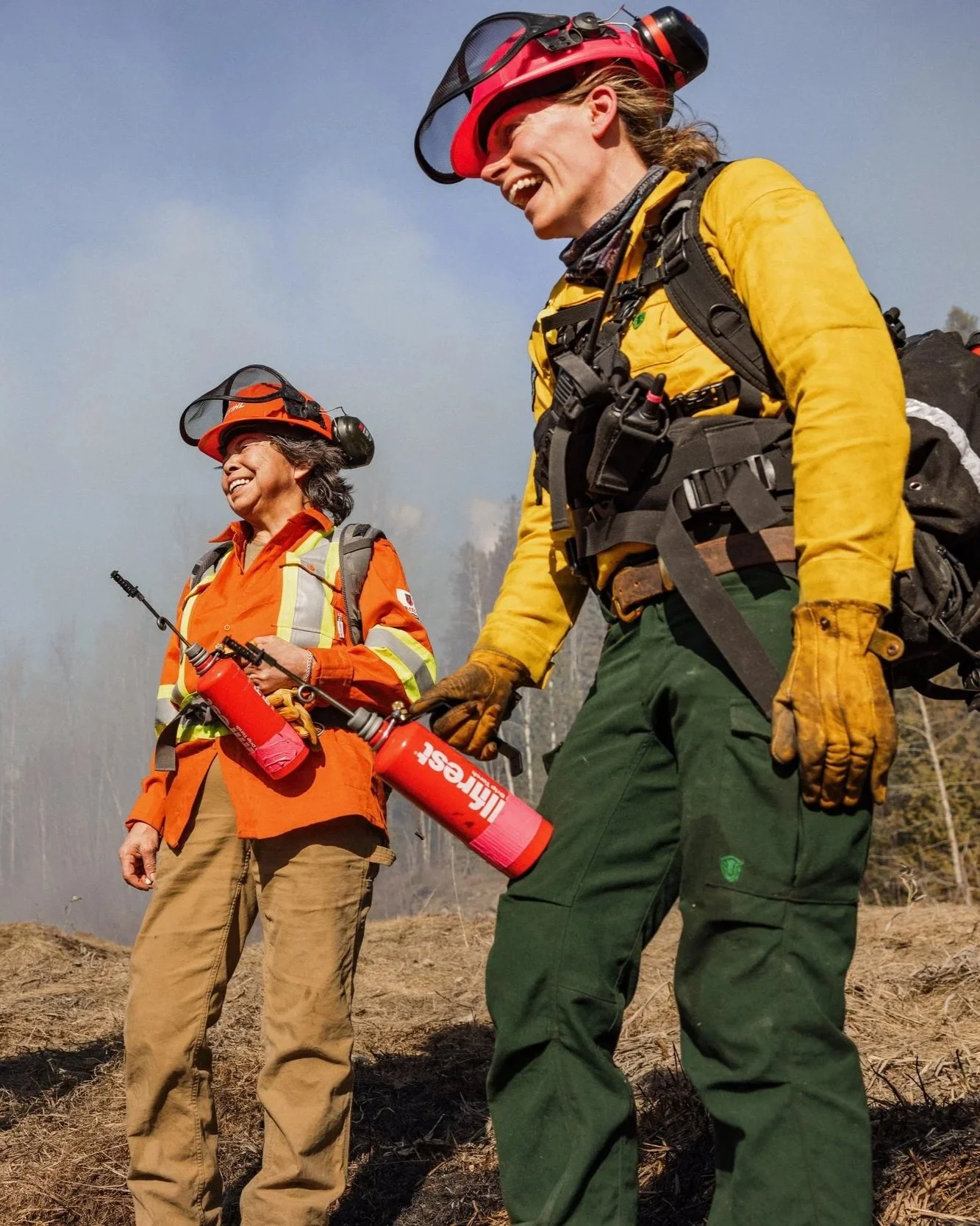
Dr. Kira Hoffman and Elder Darlene Vegh are weaving Western science and Indigenous knowledge to better understand how to return cultural fire to the Gitanyow Lax’yip.
Project Outcomes:
• Cultural burns carried out across more than 200 hectares on the Gitanyow Lax’yip
• Gitanyow Lax’yip Guardians co-led burn monitoring and evaluation, using indicators aligned with their stewardship priorities and values
• In 2025, the Gitanyow team became a certified Type 2 wildland firefighter crew, strengthening their capacity for wildfire response and cultural burning
• Engagement with provincial agencies has created changes to implement cultural fire within the timber harvesting land base
• A timber harvesting area near the community is now being managed with fire to promote huckleberries, increasing food security while reducing wildfire risk
• Knowledge and methods from the Trebek-supported project are now being shared with three neighbouring First Nations
GRANTEE AWARDS + RECOGNITION
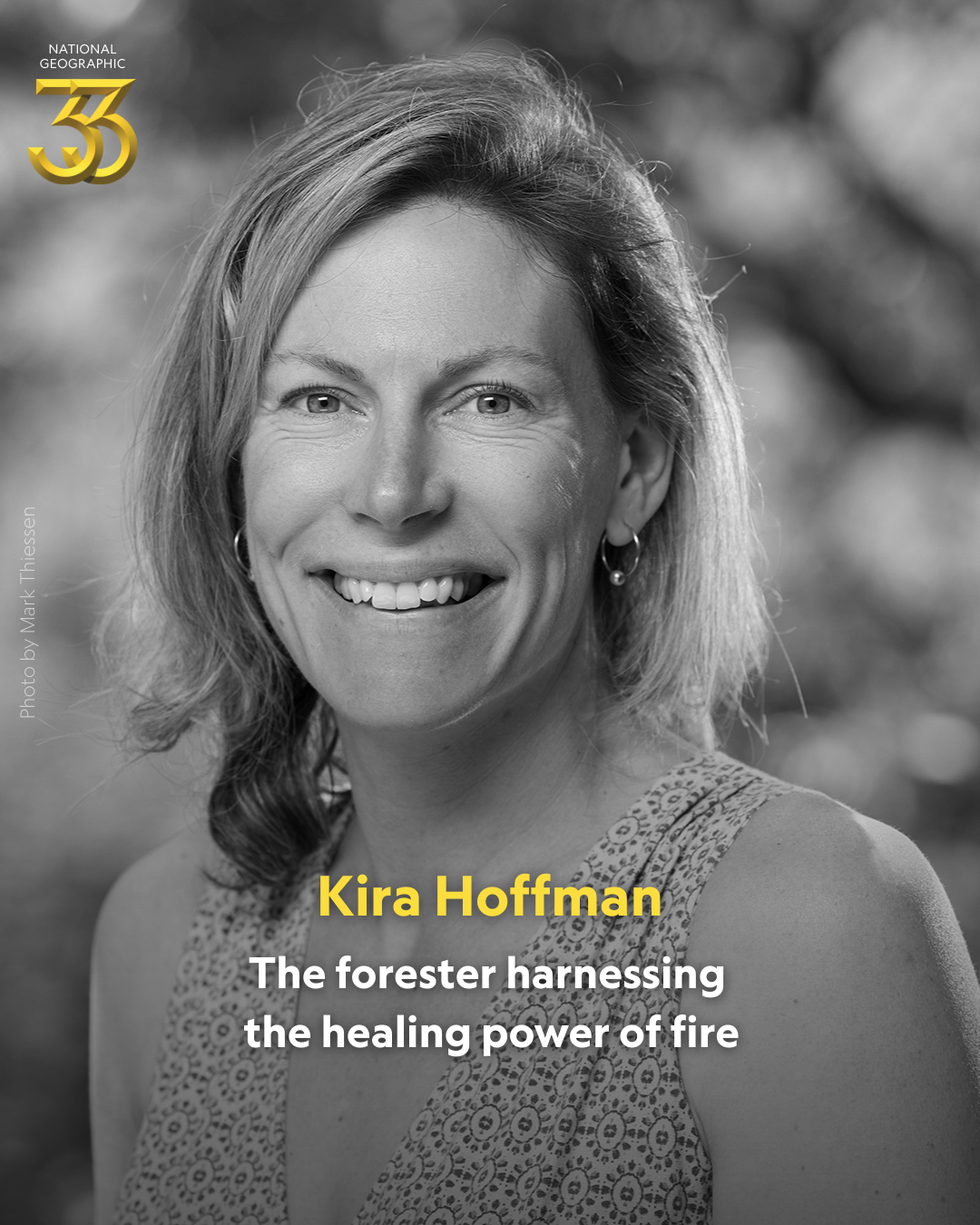
2023 TREBEK GRANTEE | KIRA HOFFMAN | Fighting Fire with Food
Kira Hoffman has been named to National Geographic’s 33 Changemakers for 2026, recognizing individuals from around the world committed to making the world a better place.
A Canadian fire ecologist and National Geographic Explorer, her work is helping reshape how fire is understood and managed, demonstrating how cultural fire practices can prevent megafires while restoring ecosystems and strengthening community resilience. Her collaborations with First Nations communities are contributing to a growing global shift toward the use of intentional, low-intensity burns as a tool for both ecological health and food security. Learn more.
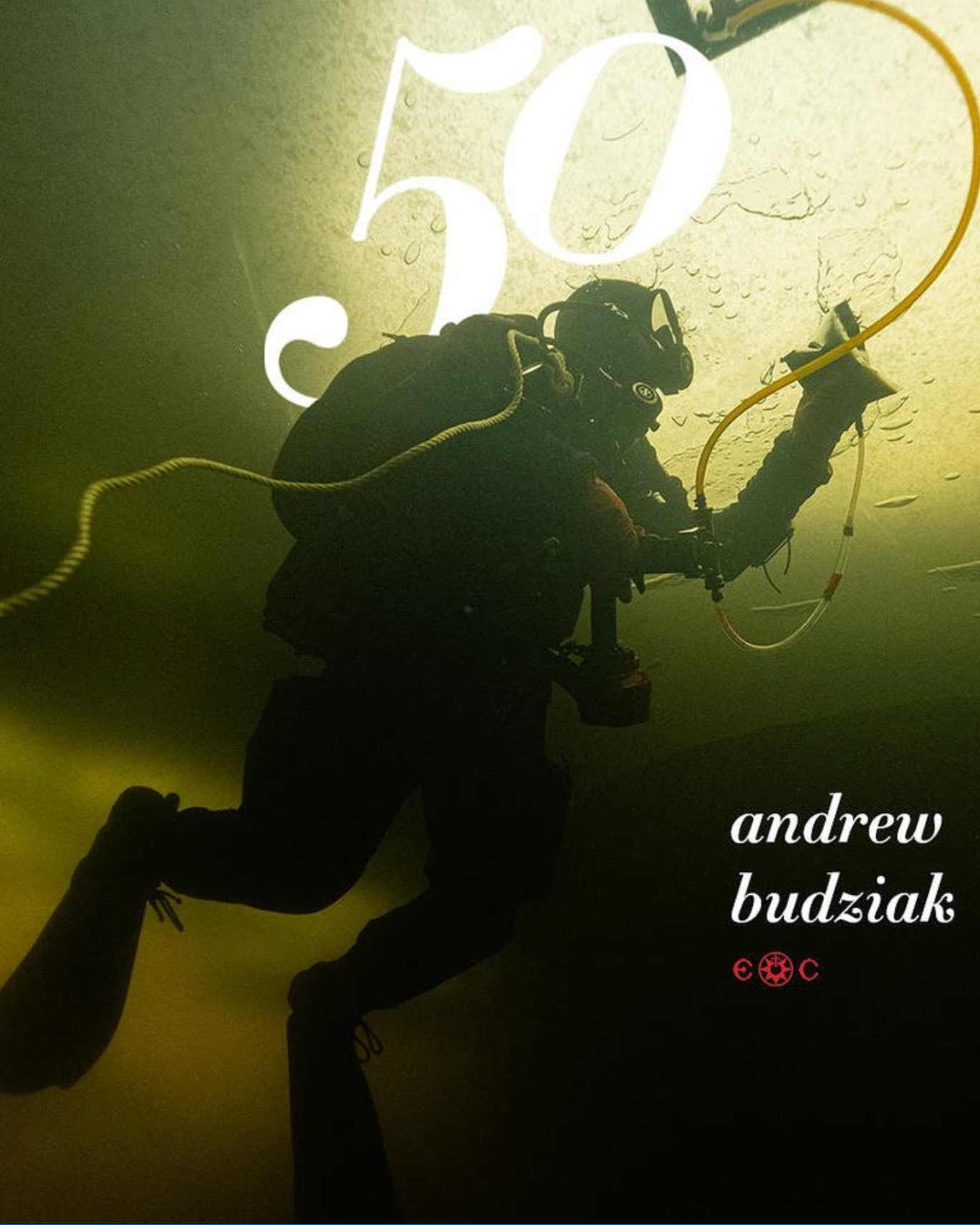
2023 TREBEK GRANTEE | ANDREW BUDZIAK | Under the Ice
Andrew Budziak has been named to the Explorers Club 50 Class of 2026, recognizing field scientists shaping the future of exploration and discovery.
His work focuses on winter freshwater ecosystems, when lakes appear dormant but remain biologically active beneath the ice. Through sustained field research and visual storytelling, he reveals how these under-ice systems function and what is at stake as ice cover declines. His initiative, Freeze the Future, brings scientists and trained volunteers together through ice-diving research to advance understanding of freshwater ecosystems in a warming climate. Learn more.
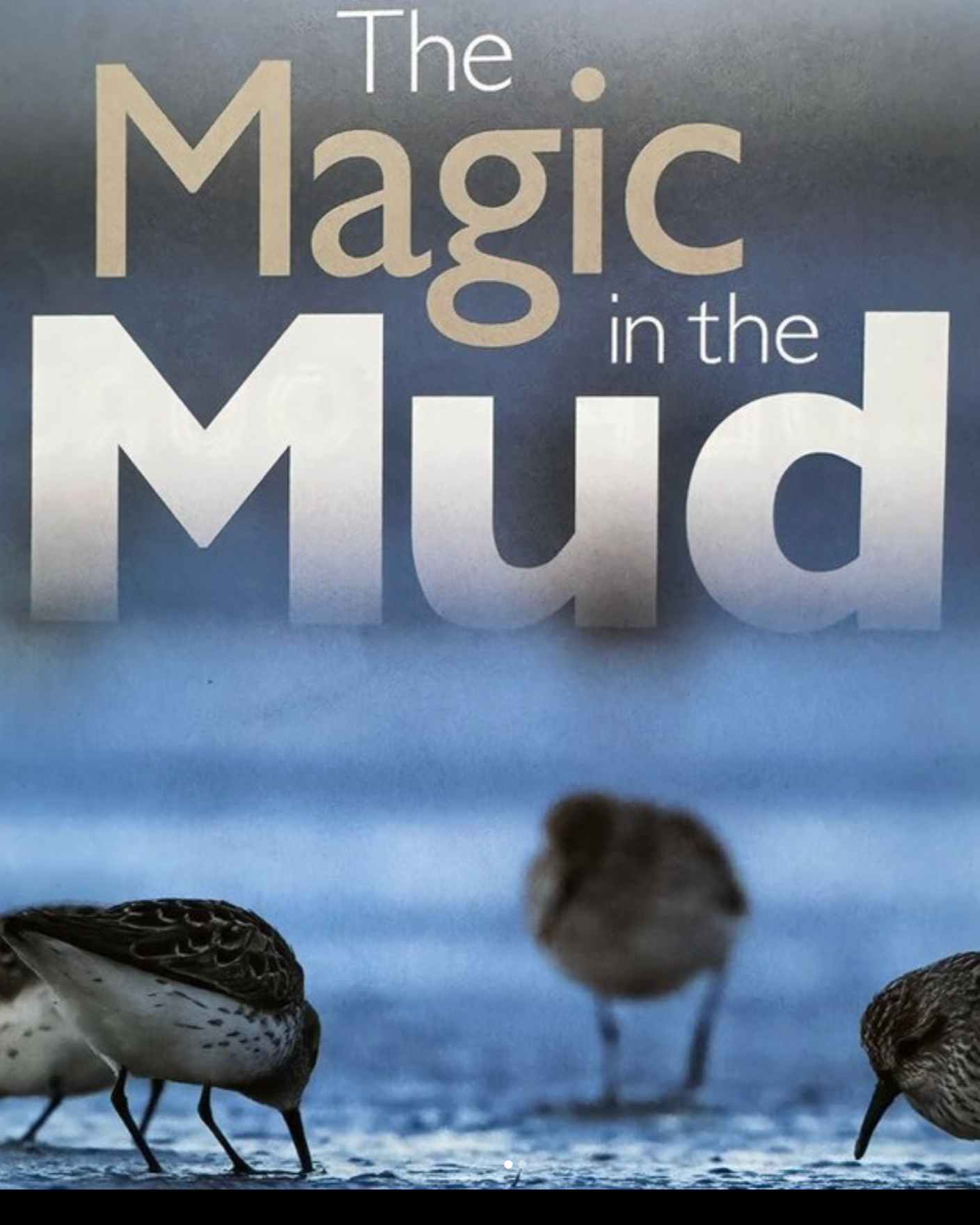
2024 TREBEK GRANTEE | ISABELLE GROC | Shorebirds: Sentinels Of The Mudflats
Isabelle Groc has received the 2025 AAAS Kavli Science Journalism Silver Award for her Canadian Geographic feature, The Magic in the Mud. The Kavli Awards are among the highest international honours in science journalism, and Isabelle was the only Canadian recognized this year.
Her reporting explores the critical role of biofilm in fueling sandpiper migration, bringing attention to the ecological complexity of mudflats along the Pacific Flyway. Through rigorous, science-based storytelling, she illuminates a fragile system that sustains one of the world’s great migratory journeys.
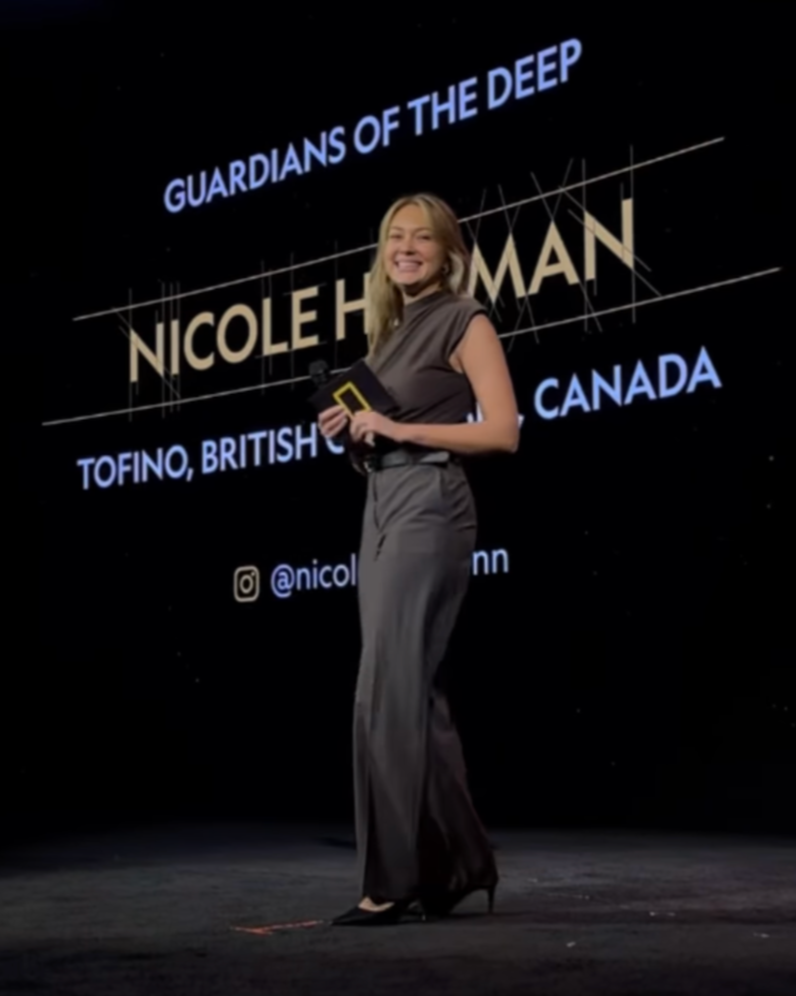
2025 TREBEK GRANTEE | NICOLE HOLMAN | Deep-Sea Guardians
Nicole Holman presented her project, Deep-Sea Guardians: Protecting Our Planet's Last Frontier at the 2026 National Geographic Storytellers Summit as part of the Works in Progress series, an invitation-only forum where Explorers share developing work with the global National Geographic community.
Supported by the Trebek Initiative, her short film explores Canada’s deep sea and the scientists working to study and safeguard these largely unseen ecosystems. Presenting on a National Geographic stage marked an important milestone, bringing early field insights to leaders in exploration and storytelling.
UPCOMING EVENTS
Through a new partnership with Exploring By The Seat Of Your Pants, Trebek Grantees are connecting with students through live virtual field experiences. Created by National Geographic Explorer Joe Grabowski, the platform has reached more than 1.5 million students in over 113 countries. This spring, Trebek Grantees begin hosting virtual sessions, bringing their work directly into classrooms.
April 2, 2026 | 12:30 pm to 1:15 pm EST
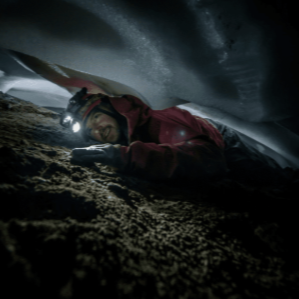
2021 TREBEK GRANTEE
Christian Stenner
Exploring By The Seat of Your Pants - Wild Caving with Christian Stenner
Venture into some of the darkest and most unique places inside the Earth: Caves formed where glacier ice and volcanic heat interact, creating otherworldly environments that are both cold and hot at the same time. Christian Stenner has explored largest and deepest of these glaciovolcanic caves in the world. Caves that tell us about volcanic activity, about changing climate, the extreme microorganisms that can survive there, and how we might first find life on other planets.

National Geographic Live brings leading explorers to audiences across Canada through a series of live events. These sessions extend fieldwork into public conversation, connecting audiences with the people and ideas shaping our understanding of the world.
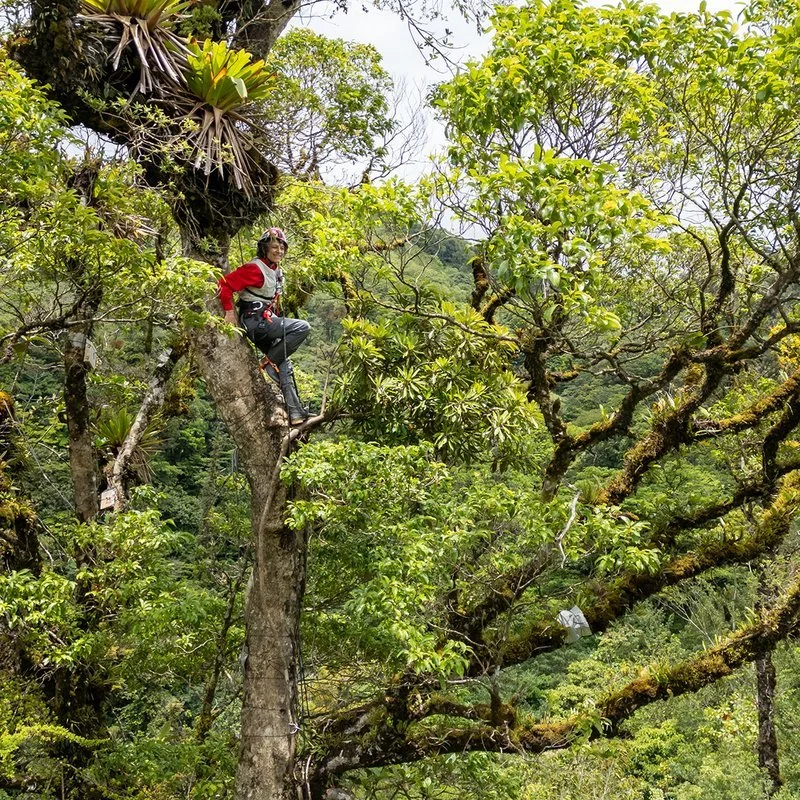
March 22-24, 2026 | Toronto, ON
National Geographic Live - Nalini Nadkarni: From Roots to Canopy
Climb into the clouds with tree canopy ecologist Nalini Nadkarni to experience the world's hidden in the treetops above our heads.
May 31, June 1-2, 2026 | Toronto, ON
National Geographic Live - Alizé A. Carrère: Adaptation
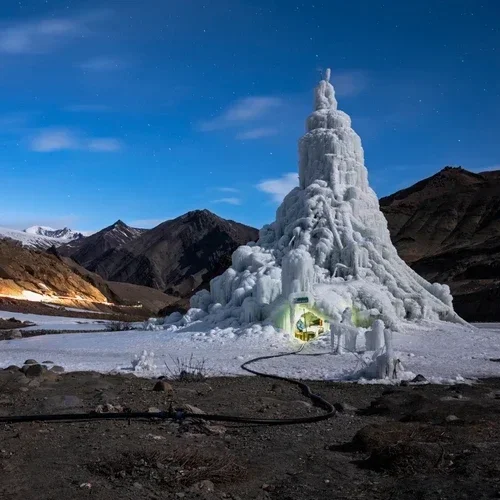
National Geographic Explorer Alizé Carrère explores how communities are responding to climate disruption through local knowledge and ecological design. From floating agriculture in Bangladesh to high-altitude ice reservoirs in India, her work shows that durable solutions take shape when human ingenuity aligns with natural systems.
April 19-20, 2026 | Calgary, AB

National Geographic Live - Heather Joan Lynch: Penguins of Antarctica
At the far southern edge of the planet, life persists against extraordinary odds. Quantitative ecologist and National Geographic Explorer Heather Lynch tracks Antarctica’s penguin colonies across sea ice and open water, revealing a continent that is anything but empty, alive with seabirds and marine life shaped by rapid environmental change.
May 31, June 1, 2026 | Calgary, AB
National Geographic Live - Lee R. Berger: Cave of Bones
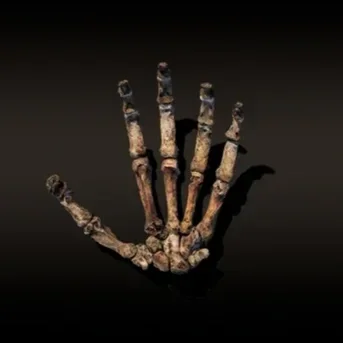
In South Africa’s Rising Star cave system, paleoanthropologist and National Geographic Explorer Lee Berger is revising the human story. Fossils of a previously unknown hominin suggest that a small-brained species may have made tools, left markings, and buried its dead, challenging assumptions about who shaped our earliest chapters.
April 21, 2026 | Vancouver, BC
National Geographic Live - Steve Ramirez: Untangling the Mind
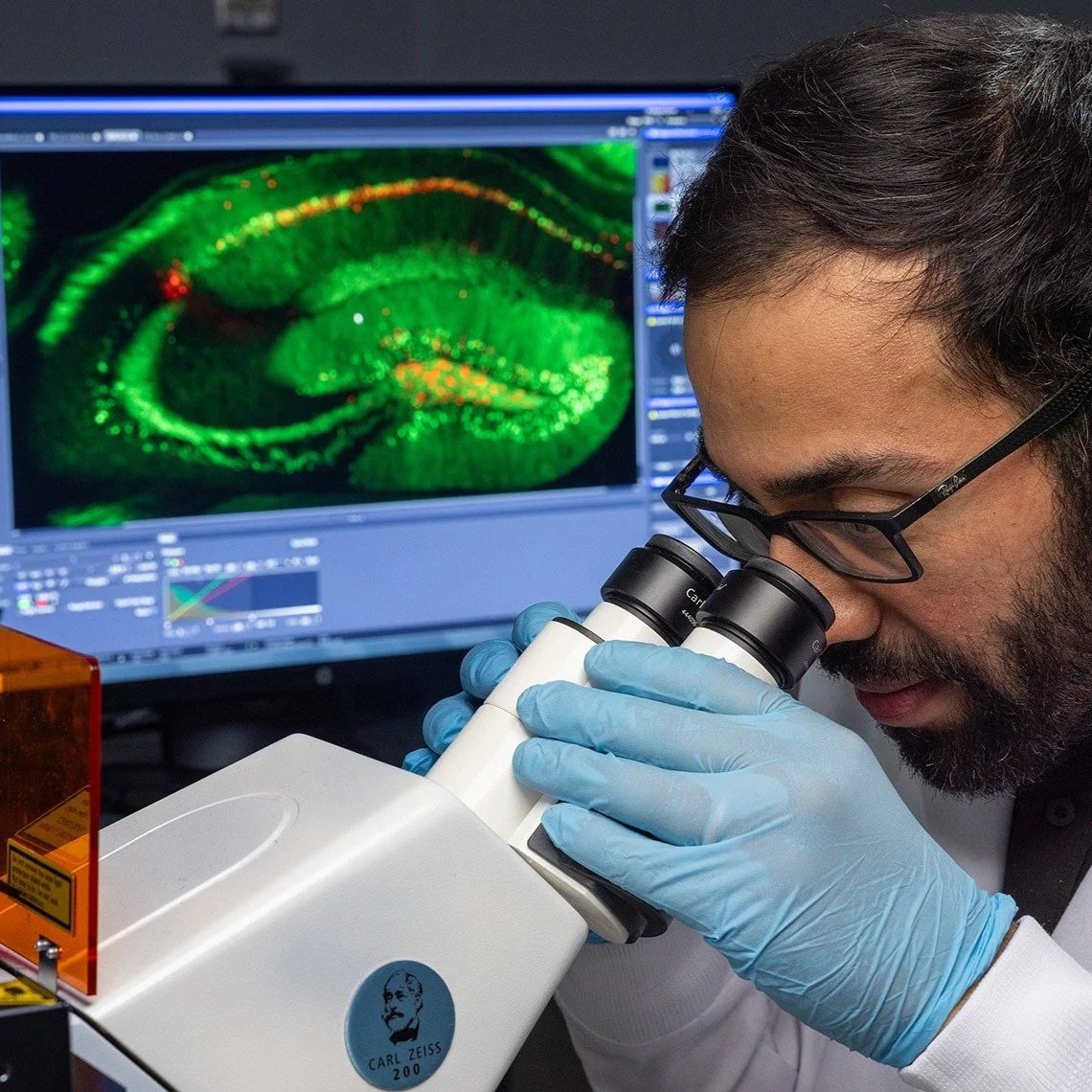
Join neuroscientist and National Geographic Explorer Steve Ramirez as he uncovers how memories form, fade, and shape who we are. His cutting-edge research with mice reveals how targeted memory work could one day help reduce the impact of PTSD and depression.
Follow us on Instagram @trebekinitiative
THANK YOU
Your commitment fuels our Trebek Grantees’ efforts to make a meaningful impact across Canada, whether they’re uncovering solutions to urgent challenges, preserving cultural heritage, or inspiring the next generation of scientists, storytellers, and educators.
Together, we’re igniting a passion to preserve across Canada.
