
This Quarter at Trebek
Issue #6
| December 17, 2025
IN THIS ISSUE:
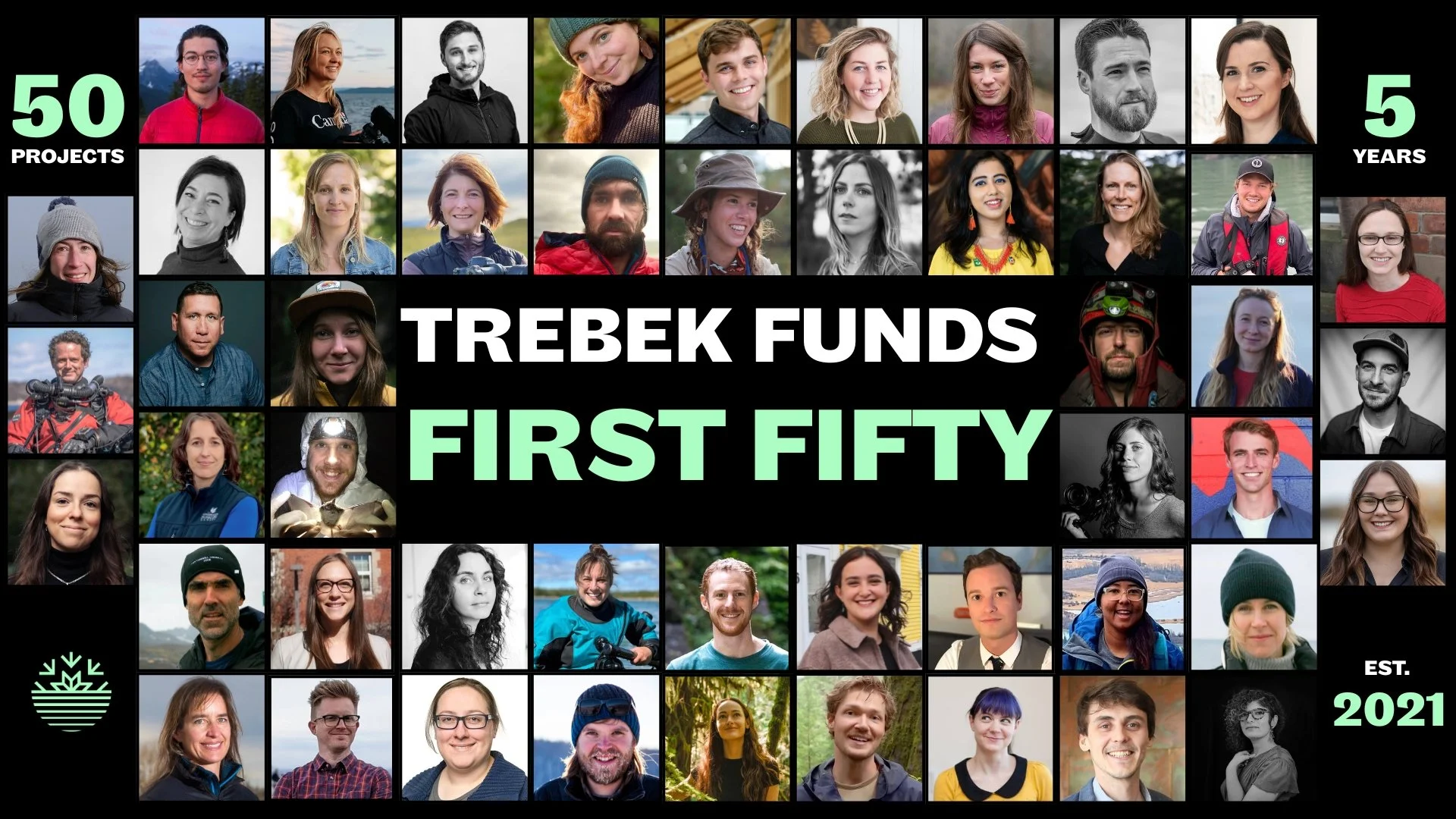
This milestone edition of This Quarter At Trebek highlights the first fifty projects supported through the Initiative and the growing impact of their work across Canada. From coastal inlets and northern rivers to forested valleys, these projects help Canadians look more closely at their landscapes, the species that depend on them, and the stories that shape our shared history.
TREBEK CELEBRATES FIRST FIFTY GRANTS: On December 15th, leaders from the National Geographic Society, the Royal Canadian Geographical Society and members of the Trebek community gathered in Toronto to reflect on our first five years and the incredible impact we’ve created together. Meet Our 50 Grantees
A BIRDS-EYE VIEW OF ALL FIFTY PROJECTS: Explore a map of all fifty projects supported over the past five years. Meet our Grantees working across four focus areas: Land, Water, Wildlife, and History and Culture.
EXPLORE OUR NEWEST PROJECTS: This year, the Trebek Initiative launched a new RFP for National Geographic Explorers working in Canada. Learn more about the five latest projects selected for funding.
TREBEK CELEBRATES FIRST FIFTY GRANTS
Established in 2021, the Trebek Initiative was launched as a joint grant-making partnership between the National Geographic Society and the Royal Canadian Geographical Society, supporting research, conservation, storytelling, education and innovation projects that impact Canadian and Indigenous land, water, wildlife, history and culture.
Five Years, Fifty Projects, One Shared Mission
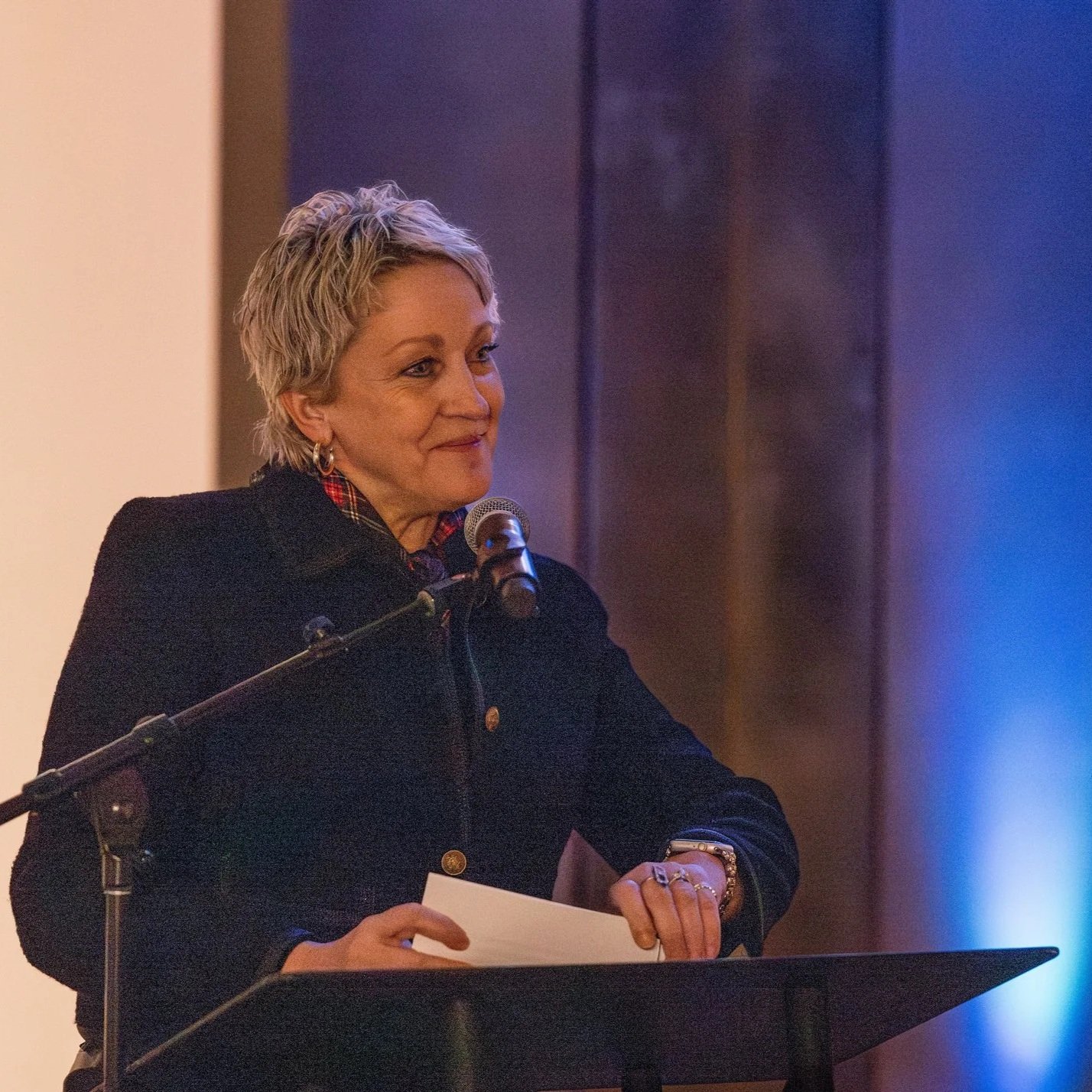
Jill Tiefenthaler, CEO of the National Geographic Society, speaking about the importance of the Trebek Initiative and its impact across Canada. (Photo: Nicole Holman)
Five years later, we are marking a meaningful milestone. The Initiative has now supported fifty projects spanning every province and territory, led by researchers, Indigenous knowledge keepers, filmmakers, photographers, educators, and conservation leaders. Their work uncovers new science, documents fragile ecosystems, highlights emerging solutions, and supports the sharing of cultural knowledge.
In recognition of their work, on December 15th, senior members of both founding Societies and members of the Trebek community gathered in Toronto to celebrate. Jill Tiefenthaler, Chief Executive Officer of the National Geographic Society, spoke to the power of storytelling and impact being created across Canada by this incredible cohort, followed by a presentation from Trebek Grantee, Nick Hawkins, who documented the migration and lifespan of Atlantic salmon.
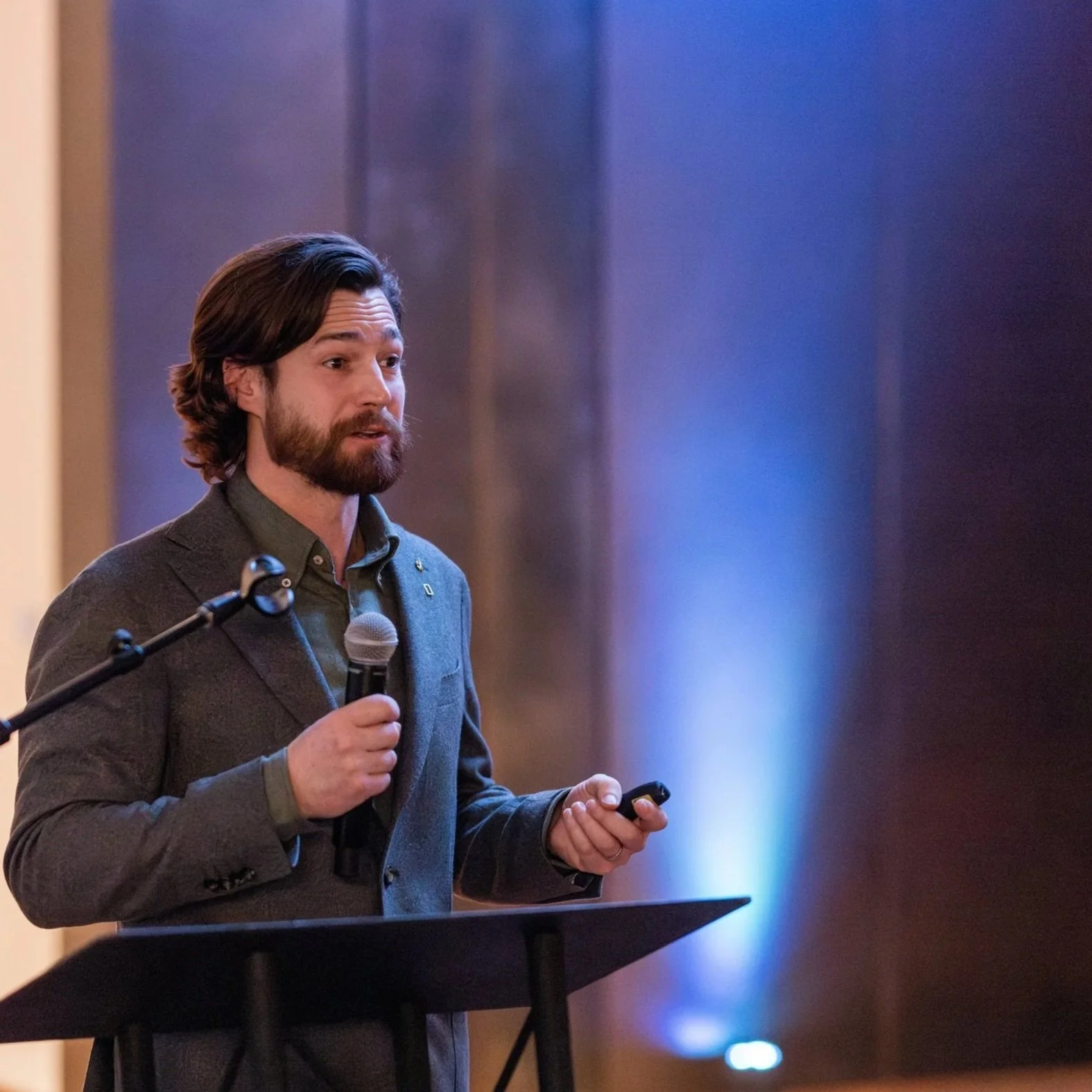
Nick Hawkins shared how Trebek support enables him document the pressures facing Atlantic salmon and to bring their story to Canadian audiences. (Photo: Nicole Holman)
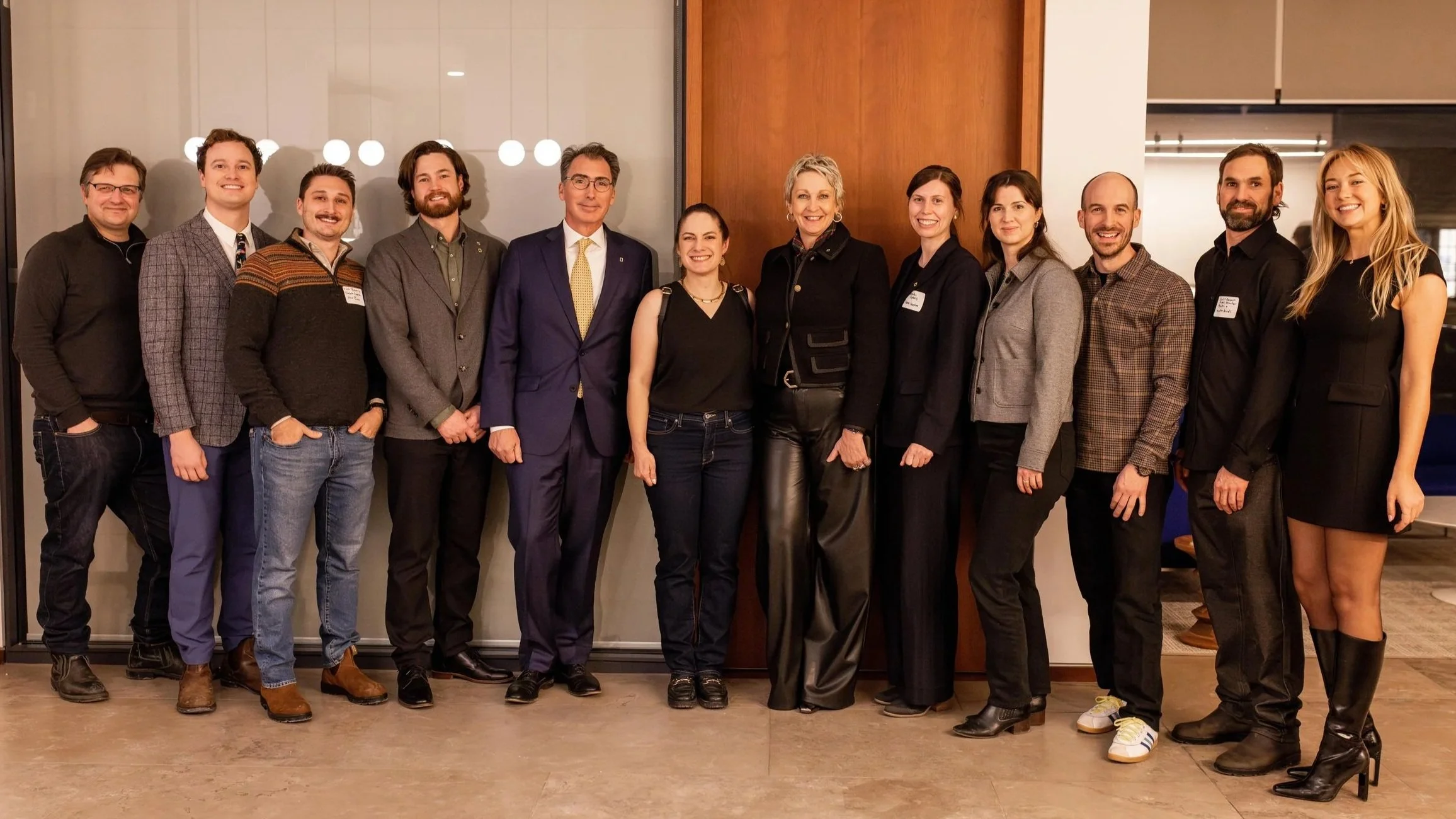
Trebek Initiative Grantees with National Geographic Society leaders Jill Tiefenthaler (CEO) and Alex Moen (Chief Explorer Engagement Officer) at the December 15 event. (Photo: Sandy Couto)
Across Canada, Trebek Grantees are working in environments that range from freshwater deltas and Arctic icefields to inland forests, coastal ecosystems, and culturally important places.
Taken together, these projects show where field research and community knowledge are deepening our understanding of Canada’s natural and cultural landscapes. 🔽 Scroll down to view the map. Hover over a point to learn more about each project.
A BIRDS-EYE VIEW OF ALL FIFTY PROJECTS
Project Focus Area:
Land
Water
Wildlife
History & Culture
EXPLORE OUR NEWEST PROJECTS
New funding supports National Geographic Explorers active in Canada.

ARIEL WALDMAN (Ontario, Yukon, Northwest Territories, and Nunavut)
Open Video Library of Canadian Microorganisms
Microbial life is the foundation of every ecosystem on Earth, critical for human health, forming the base of food webs and driving essential nutrient cycles in the environment, and yet it remains largely invisible and overlooked. Working alongside Dr. Jackie Goordial from the University of Guelph, Ariel will create a free Creative Commons video library showcasing microorganisms in Canada. The videos, shared with clear explanations, will help people appreciate the vital role microbes play in Earth’s ecosystems and provide a new resource for Canadian microbiologists.

ANNIE SAKKAB (Quebec)
Disposable Forests: The Boreal Forest Sacrificed for Softness
Canada’s boreal forest serves as a massive carbon sink, storing the equivalent of twice the world’s annual carbon emissions, and provides habitat for countless species, including the threatened boreal caribou and billions of migratory birds. For millennia, it has also sustained the cultural, spiritual, and material lives of more than 600 Indigenous communities. Yet today, this ancient forest is being logged at an alarming pace to make disposable consumer products, especially toilet paper and tissues. Annie’s photography project aims to raise awareness of the destruction of boreal forests to produce toilet paper products. She will work in tandem with local activists and partners groups to drive awarness, policy change and influence consumer choices.
RYAN TIDMAN (British Columbia)
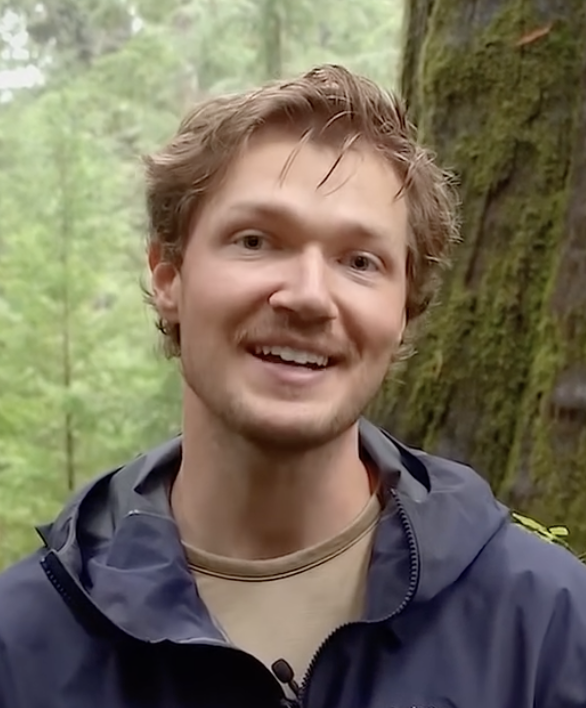
Rise of the Marmot
Rise of the Marmot is a short documentary about the dramatic comeback of the Vancouver Island marmot, once reduced to fewer than 30 wild individuals. Following a young captive-born marmot released into a recovering colony, the film blends striking natural history footage with stories from scientists, Indigenous knowledge holders, and conservation teams. Intimate and hopeful in tone, it highlights how dedicated stewardship is helping restore one of Canada’s most endangered species to its mountain home.
MAIA WIKLER (British Columbia)
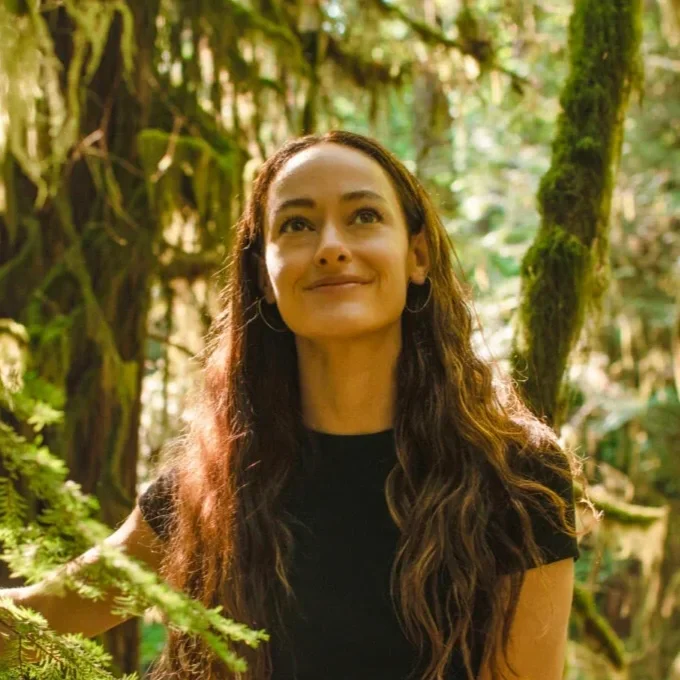
A Nation's Fight to Remember: Ancient Forests as Living Memory for the Ma'amtagila
On Vancouver Island, logging is destroying some of the world’s last ancient temperate rainforests—ecosystems vital to the Ma’amtagila Nation’s identity, culture, and ancestral history. As old-growth trees are felled, culturally significant sites such as CMTs and bentwood burial boxes are being lost. Maia will develop a photo essay and documentary that follows Ma’amtagila leaders, archaeologists, and forestry scientists as they work to locate and protect ancestral evidence in the remaining old-growth forests and reconnect Ma’amtagila youth with their culture, while supporting the Nation’s legal fight to reclaim their unceded territory.
DORIAN GABORIAU (Quebec and Atlantic Canada)`
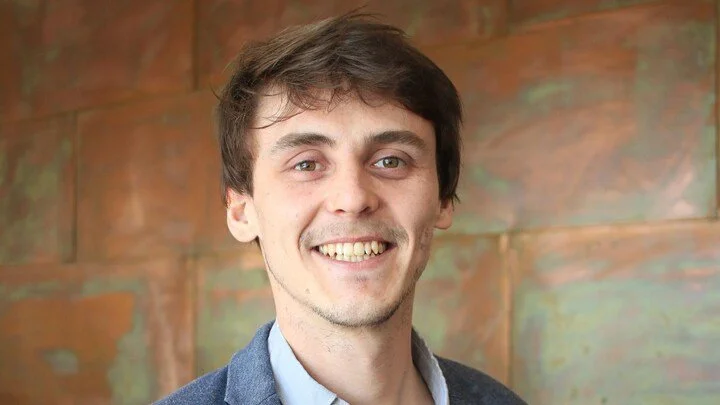
Deciphering the natural variability of past forest landscapes and fire regimes: a meta-analysis based on lake sediment records from eastern Canada
Extreme fire seasons are becoming more common in North America’s boreal forests due to climate change, threatening major global carbon stores. To understand how these forests have historically responded to environmental shifts, Dorian’s project will analyze lake sediments (using charcoal and pollen) to reconstruct long-term fire and vegetation histories. By collecting sediment records from understudied regions in southern Quebec and conduct a large-scale synthesis of existing paleoecological fire data from eastern Canada, the resulting datasets will clarify broad ecological patterns and help inform future forest management and conservation strategies by improving predictions of boreal forest resilience under climate change.
UPCOMING EVENTS
Don’t miss the chance to engage with National Geographic Explorers through events across Canada, offering unique opportunities to connect and discover the impact of their work.
February 8-10, 2026 | Toronto, ON
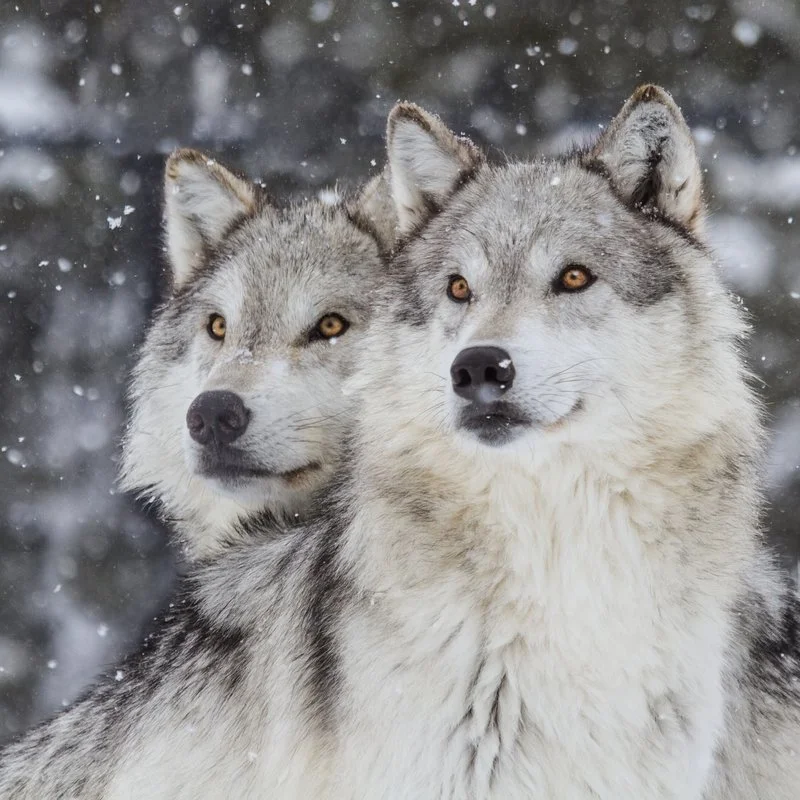
National Geographic Live – Doug Smith: Wild Wolves of Yellowstone
Witness the beauty and wonder of Yellowstone National Park with wildlife biologist Doug Smith, who led the reintroduction of wolves in this legendary American landscape.
March 22-24, 2026 | Toronto, ON
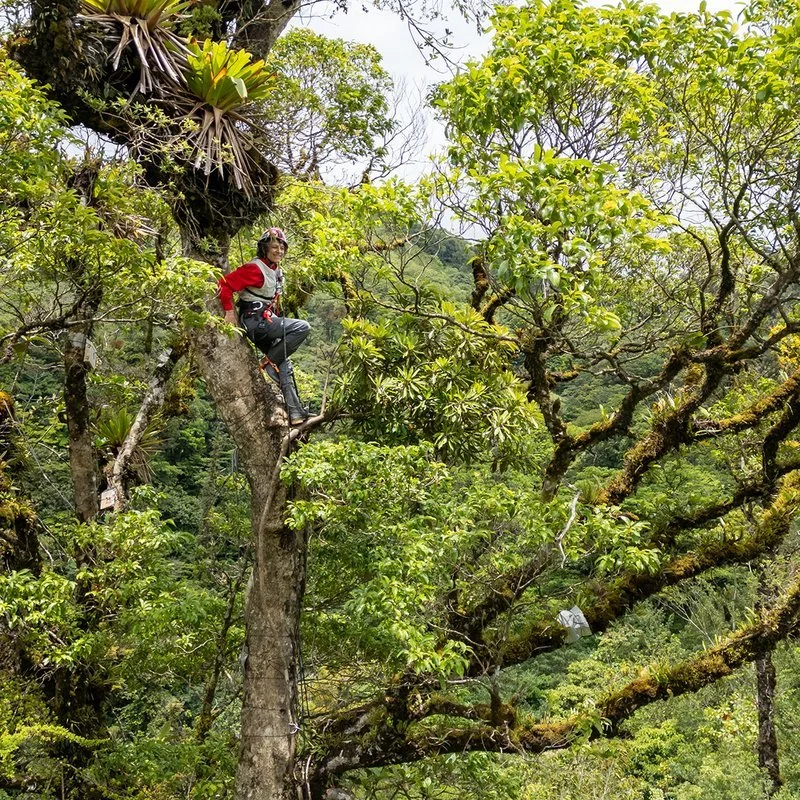
National Geographic Live - Nalini Nadkarni: From Roots to Canopy
Climb into the clouds with tree canopy ecologist Nalini Nadkarni to experience the world's hidden in the treetops above our heads.
February 12, 2026 | Vancouver, BC
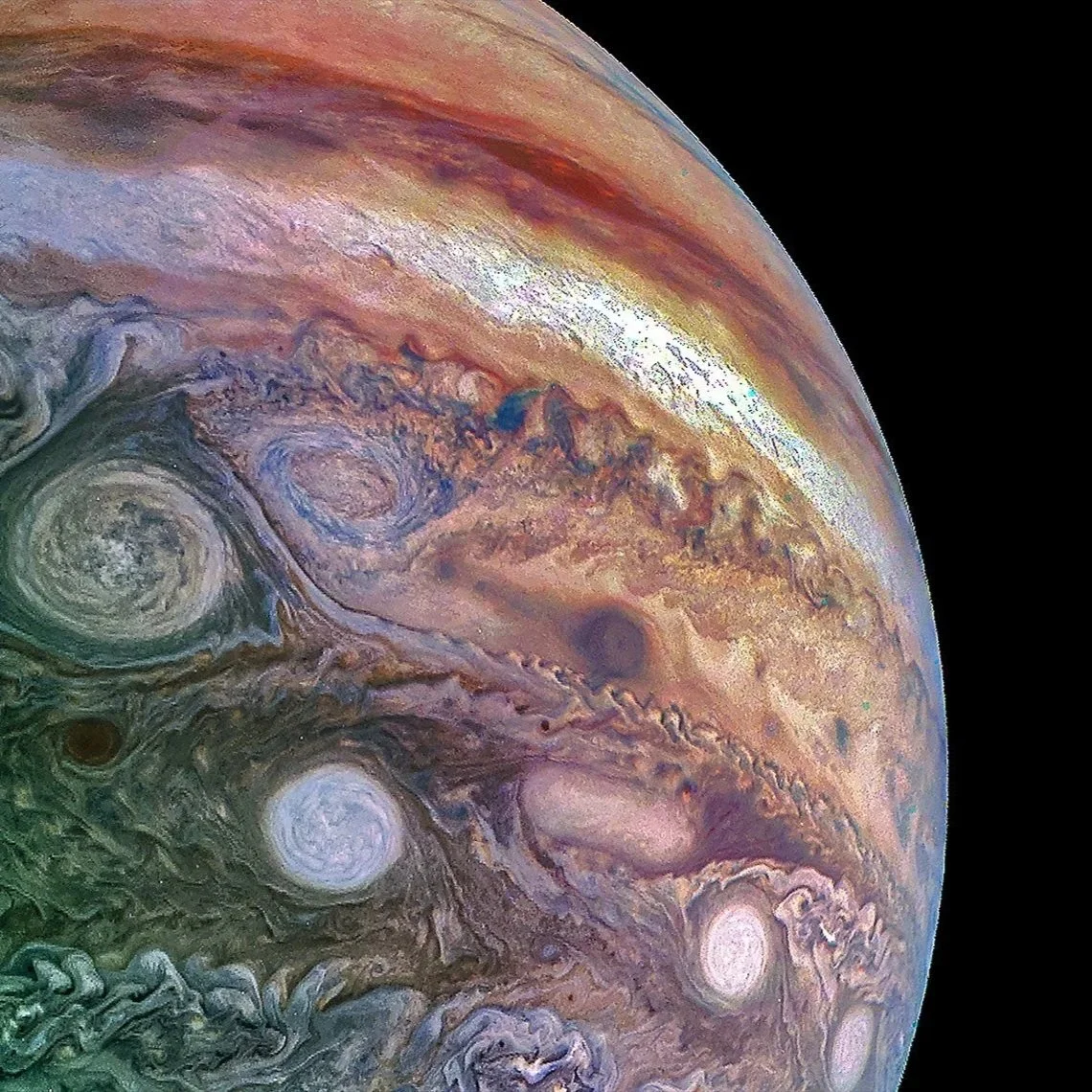
National Geographic Live – Tracy Drain: Cosmic Adventures
Explore our cosmic neighborhood with aerospace engineer and National Geographic Explorer Tracy Drain. Drawing on two decades at NASA’s Jet Propulsion Laboratory, Drain shares how robotic spacecraft reveal the mysteries of our solar system and beyond, from rovers on Mars to the Europa Clipper mission now headed for Jupiter.
April 21, 2026 | Vancouver, BC
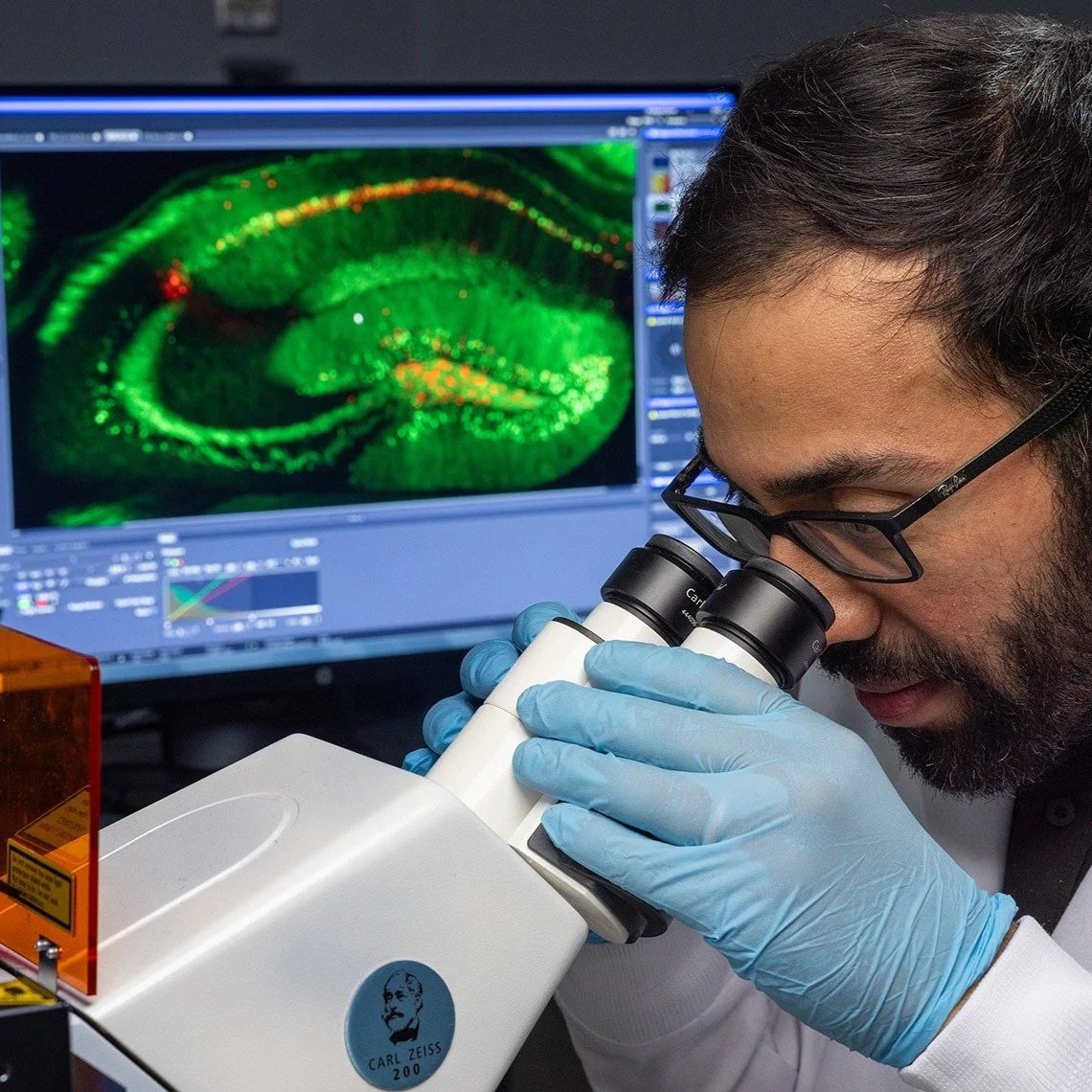
National Geographic Live - Steve Ramirez: Untangling the Mind
Join neuroscientist and National Geographic Explorer Steve Ramirez as he uncovers how memories form, fade, and shape who we are. His cutting-edge research with mice reveals how targeted memory work could one day help reduce the impact of PTSD and depression.
Follow us on Instagram @trebekinitiative
THANK YOU
Your commitment fuels our Trebek Grantees’ efforts to make a meaningful impact across Canada, whether they’re uncovering solutions to urgent challenges, preserving cultural heritage, or inspiring the next generation of scientists, storytellers, and educators.
Together, we’re igniting a passion to preserve across Canada.
